The US military announced plans to build a permanent Marine Corps war-ready stockpile in southeastern Australia, located in Victoria state [1, 2, 3, 4, 5, 6, 7, 8, 9]. The stockpile will initially store supplies in Melbourne before moving equipment to a newly constructed US facility at the Bandiana military base in rural Victoria [1, 3, 4, 5, 6, 8, 9]. The facility is expected to be fully operational and fully stocked by 2028 [1, 2, 3, 4, 5, 6, 8, 9].
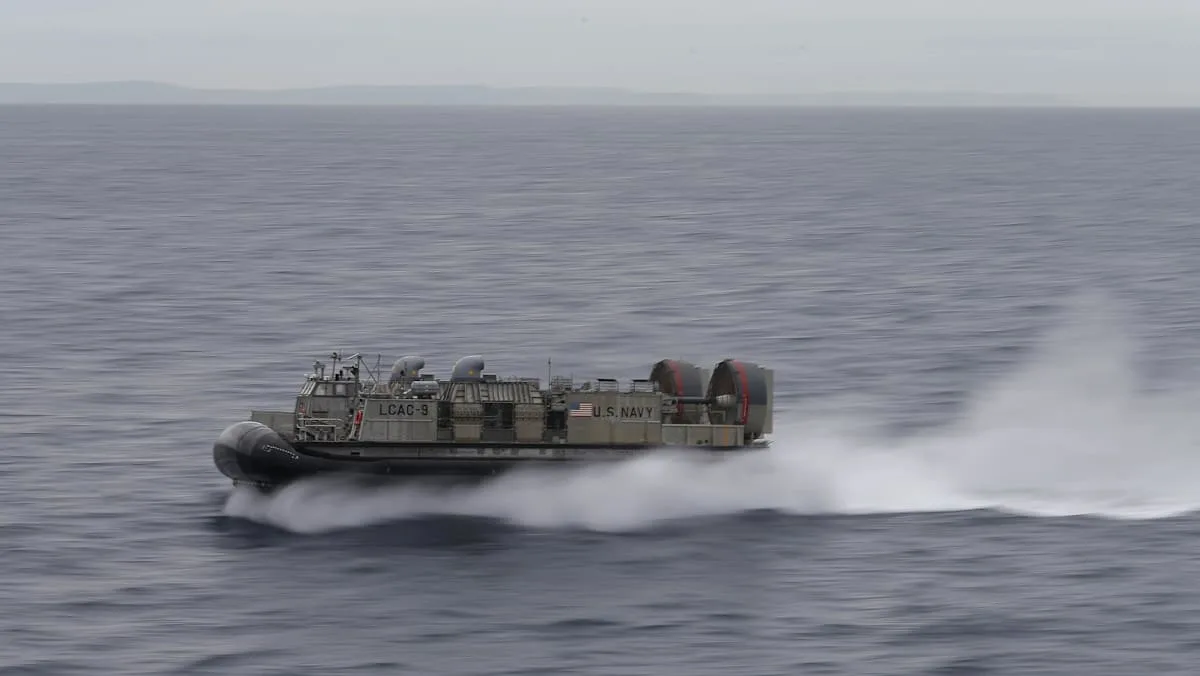
The US Navy has allocated $30 million USD to build warehouses and offices for the stockpile in Victoria [1, 2, 3, 4, 5, 6, 7, 8, 9]. About 110 engineers, mechanics, material experts, and security specialists will be hired to manage the facility [1, 3, 4, 5, 6, 8]. The stockpile will include weapons, ammunition, vehicles, and crew-served weapons [3, 4, 5, 6, 7, 8]. According to a US Marine Corps Pacific spokesperson, "Storing equipment and supplies in Australia helps support operations and exercises in the Indo-Pacific, improving response capability and interoperability with allies and partners" [1].
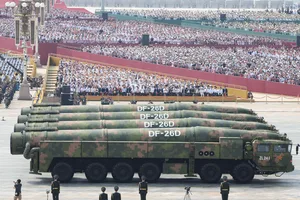
The location was chosen partly because it is outside the range of most Chinese missile capabilities, offering strategic protection [1, 2, 3, 4, 5]. Australian think tank Lowy Institute notes China can strike northern Australia from the South China Sea, making southeastern Australia a less vulnerable site [1, 5]. Sam Roggeveen of the Lowy Institute said, "These facilities, once operational, will become obvious targets for China" [1]. John Blaxland, professor at Australian National University, called the expansion "reflective of tightening strategic ties amid concerns over Guam base vulnerabilities" [1].
The stockpile supports US Marine operations and exercises across the Indo-Pacific region [1, 3, 4, 5, 6, 8, 9]. It will improve response times and allied interoperability, with approximately 2,000 US Marines rotating annually through northern Australia’s Darwin for six-month deployments [2, 5, 6]. The US Navy Marine Corps spokesperson said the activities "maintain equipment and material ready to support integrated global logistics and Indo-Pacific missions" [4].
Because Australia prohibits foreign military bases, the facility will be managed in close partnership with the Australian Defence Department [3, 4, 5, 6, 8, 9]. The Bandiana base also hosts US Army trucks pre-positioned since 2023, marking prior testing of pre-positioning concepts [5, 10, 6, 9]. The US Department of Defense is asking for $500 million USD in its fiscal year 2027 budget to improve equipment and fuel pre-positioning across the Indo-Pacific [1, 5, 10].
The Marine Corps has a long history of global pre-positioning, with existing sites aboard ships and cave stockpiles in Norway [3, 4, 5]. A smaller Marine stockpile is expected to open later this year in the Philippines near the South China Sea [2, 3, 4, 5]. Equipment stored in Melbourne will move to the Bandiana facility in 2027 before full operation begins in 2028 [1, 3, 4, 5, 6]. Australian Deputy Prime Minister Richard Marles said, "We see the expanding US military presence as vital to both improving our military capabilities and Australia's national security" [6, 9].