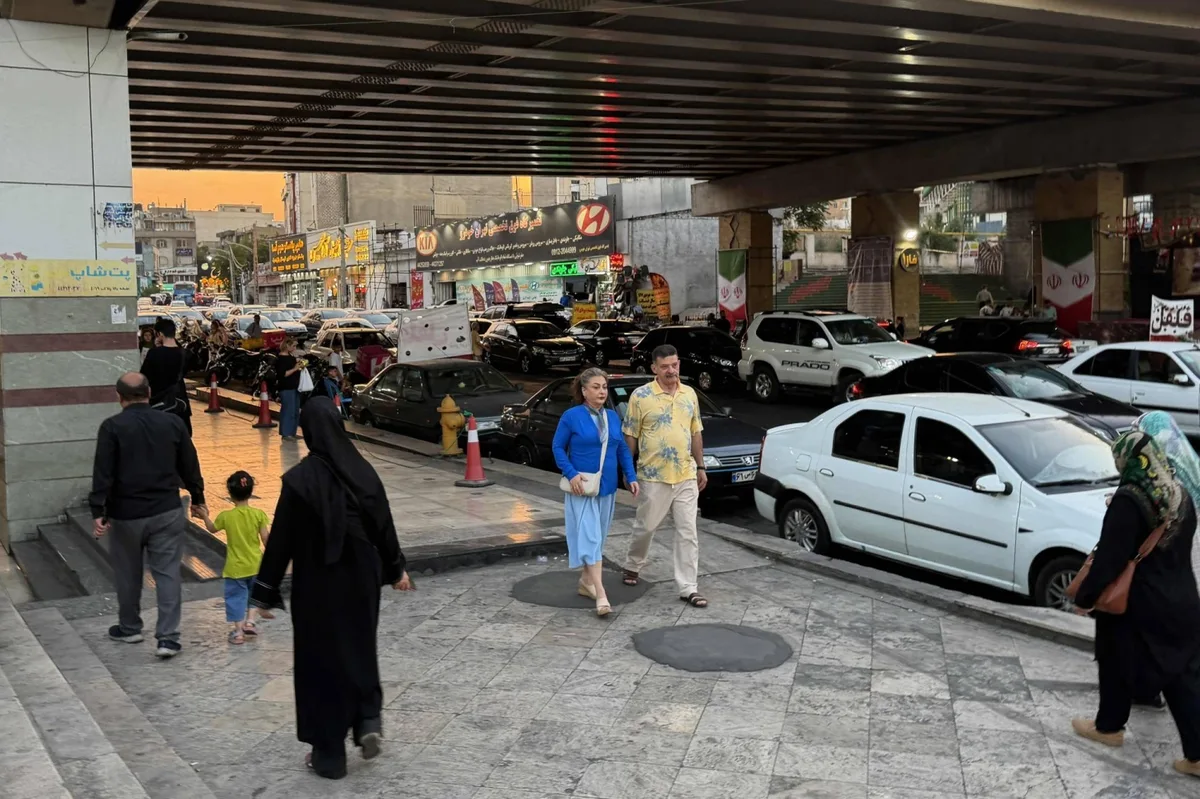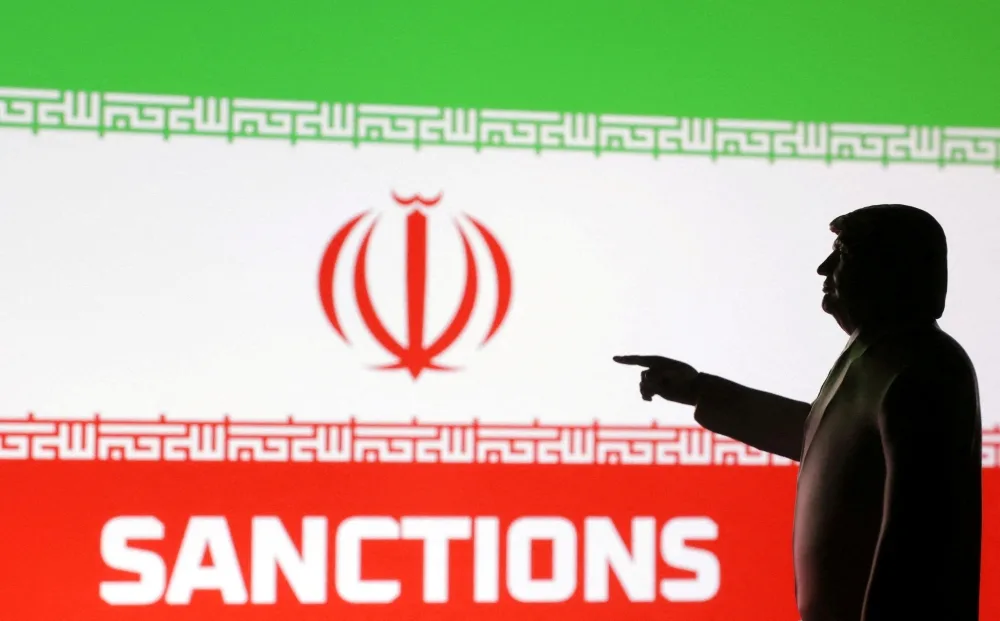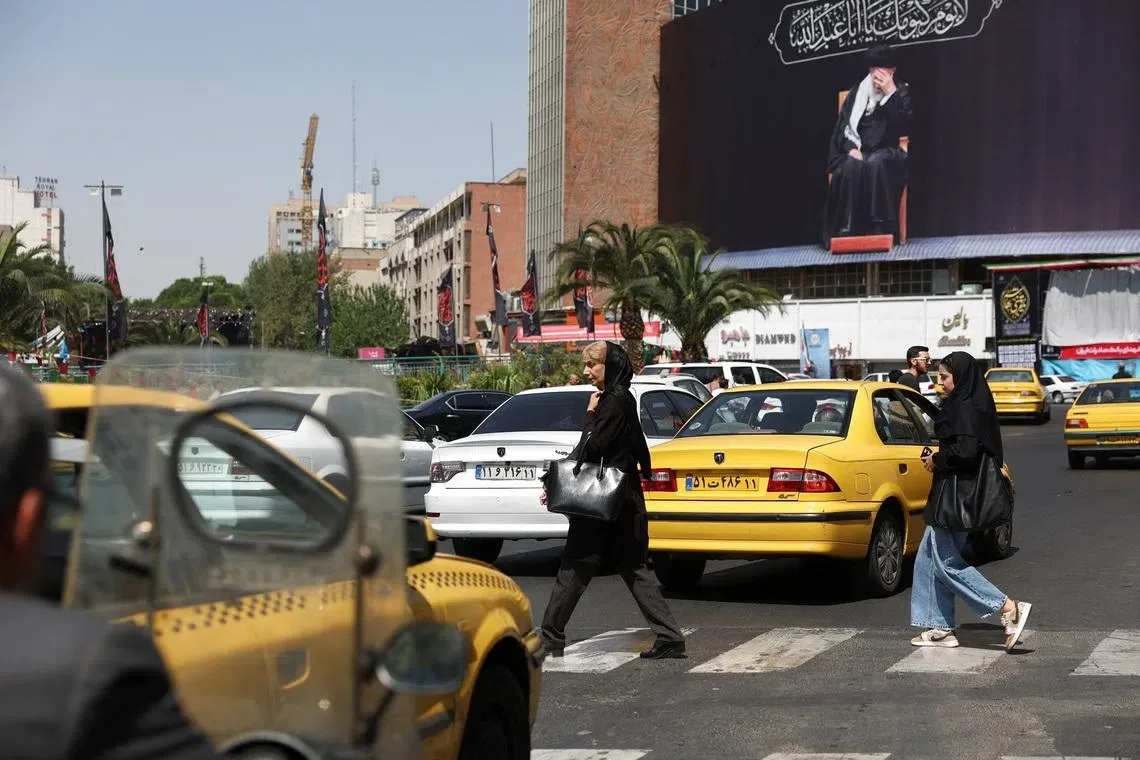
The United States began a 60-day suspension of sanctions on Iran yesterday, allowing limited production, delivery, and sale of Iranian crude oil and petrochemical products through August 21, 2026 [1, 2, 3]. This temporary reprieve, announced by the U.S. Treasury’s Office of Foreign Assets Control (OFAC), marks the first step toward fully lifting U.S. sanctions under a 14-point memorandum of understanding signed between Washington and Tehran on June 15 [1, 2, 3].
The reprieve can be extended but serves as a timeline to begin dismantling all sanctions on Iran, which have been in place since 1979 in response to the embassy hostage crisis and Iran’s nuclear program, human rights abuses, and support for militant groups such as Hamas, Hezbollah, and the Houthis [1, 2, 3]. Since early 2025, OFAC has sanctioned over 1,000 individuals, vessels, and aircraft connected to Iran [1, 2, 3].
Unwinding these sanctions is expected to be legally and politically complex. "You have this tangled nest of sanctions, and it’s not just executive orders, it’s congressional sanctions," noted Juan Zarate, former deputy national security adviser under President George W. Bush [1]. Many measures require executive action to lift, others need congressional approval, and coordination with international sanctions partners including the United Nations and European Union will be necessary [1, 2, 3].
Private sector caution also complicates the process. After decades of sanctions, many companies remain wary of doing business with Iran, which may slow the practical impact of policy changes [1, 2, 3]. Removing the remaining sanctions would represent a major shift in U.S. Middle East policy, which has long aimed to contain Iran’s regional influence through financial pressure [1, 2, 3].
The current 60-day easing began on June 22 when OFAC issued a temporary general license authorizing the limited sales of Iranian crude and petrochemicals until August 21 [1, 2, 3]. The U.S. government has not ruled out extending this period as it navigates the complex legal and diplomatic challenges ahead [1, 2, 3].