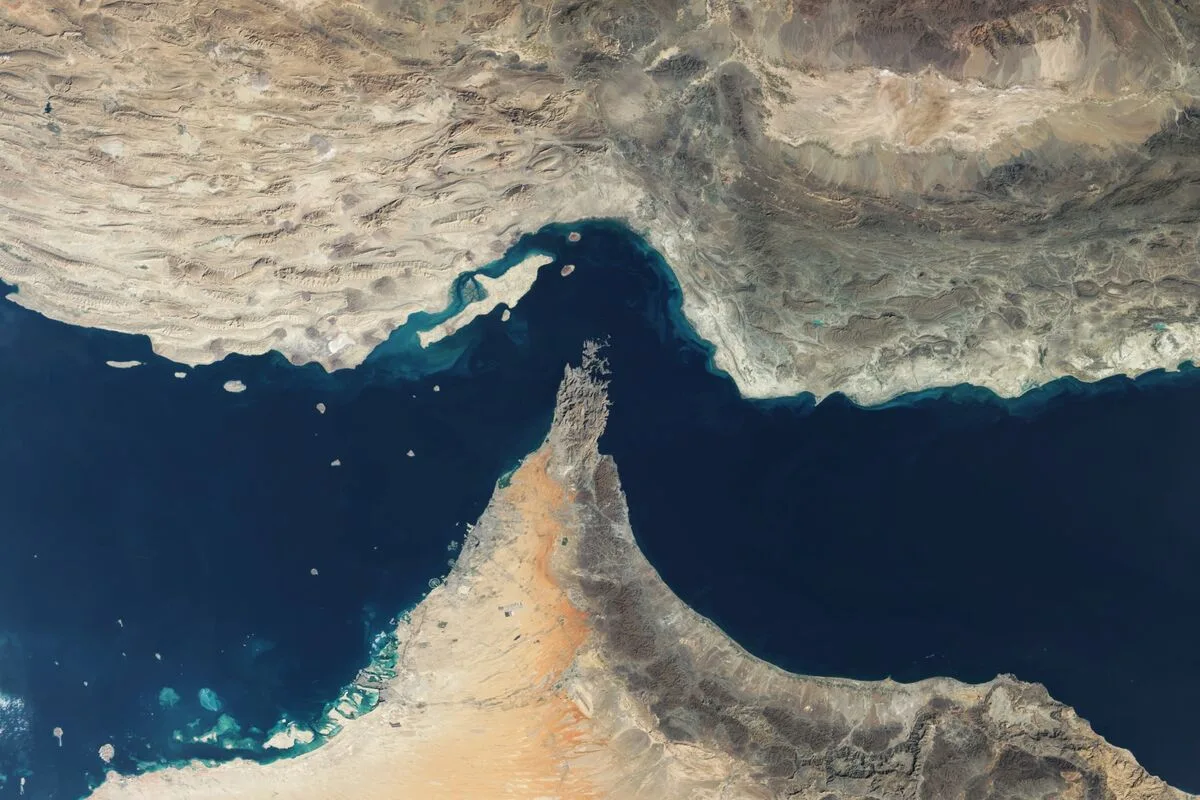
The United States and Iran signed a Memorandum of Understanding to end hostilities and reopen the Strait of Hormuz, the vital waterway through which 20% of the world’s oil flows [1, 2, 3]. The deal was formally signed on June 24 at a state dinner in Versailles, France, by President Donald Trump and Iranian President Masoud Pezeshkian at the G7 summit [4, 5, 3]. Pakistani Prime Minister Shehbaz Sharif acted as mediator and announced the agreement, stating that electronic signing preparations were underway and technical talks would follow soon [1, 6, 4].
The 14-point agreement mandates an immediate and permanent ceasefire, the reopening of the Strait of Hormuz, lifting the US naval blockade, and respect for each nation’s sovereignty [2, 7, 5]. It also includes a $300 billion fund for Iran’s reconstruction, though the US is not obligated to contribute financially [8, 9, 3]. The ceasefire extension encompasses military operations across multiple fronts, including Lebanon, but Israeli forces will remain active in Lebanon, Syria, and Gaza despite the ceasefire [2, 10, 4].
President Trump declared, “Let the oil flow!” upon the announcement and said, “I am very happy to say it’s signed, the deal is all signed” [11, 4]. The deal marks an end to the conflict that began on February 28 with US and Israeli strikes on Iran, prompting Iranian retaliation and closure of the Strait [2, 7, 3]. The ceasefire will be followed by technical discussions on Iran’s nuclear program over a 60-day period, with timelines and details yet to be finalized [2, 8, 9].
Iranian parliamentary speaker Mohammad Bagher Ghalibaf signed the deal but expressed distrust of the US, warning: “If the enemy does not understand the language of logic, we will enter again with the language of power” [4, 3]. Israeli Prime Minister Benjamin Netanyahu criticized the agreement as a political and security challenge and vowed Israel “will continue to protect itself” [10, 4].
Oil prices fell sharply after the peace deal announcement, with Brent crude down 4% amid expectations the Strait of Hormuz would soon reopen and energy supply concerns eased [6, 12, 3].
The next steps include commencement of technical talks on the Iranian nuclear program expected within 60 days, aiming to build on the ceasefire’s terms and finalize comprehensive arrangements [2, 4, 8].