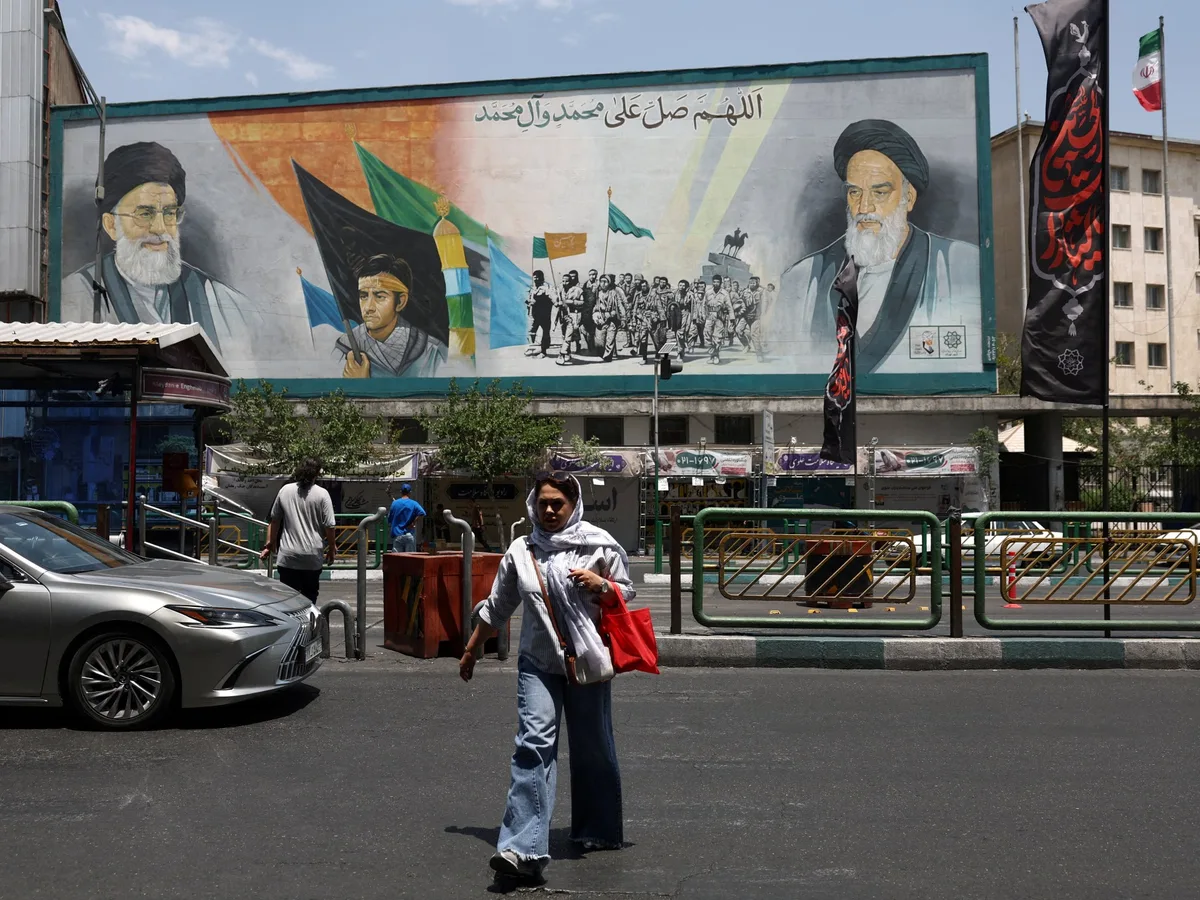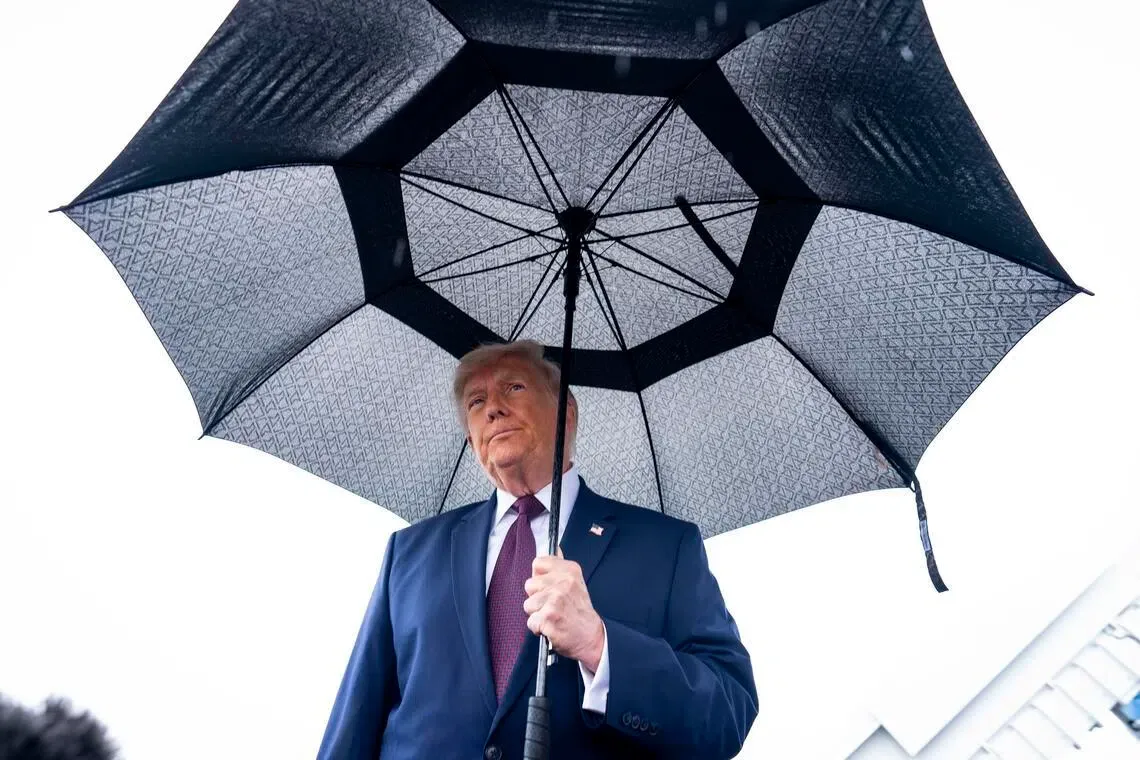
The United States and Iran remain divided over key terms following the first round of negotiations in Switzerland that ended on June 22, 2026, aimed at ending the ongoing war between the two nations [1, 2, 3]. US President Donald Trump said on June 23 that Iran had agreed to allow nuclear inspections "into infinity," a claim Iran promptly denied, maintaining no new concession on inspections was made and that cooperation continues under existing safeguards [1, 2, 3, 4].
The tentative peace framework includes lifting US sanctions, a $300 billion fund to help rebuild Iran, and a 60-day period of free commercial traffic through the strategically vital Strait of Hormuz [1, 2, 3]. Shipping resumed in the strait as Iran and Oman asserted their "sovereign rights" in the waterway, with Iran signaling it might impose tolls or fees on ships after the free passage period ends [1, 2, 3]. US Secretary of State Marco Rubio countered that Iran would not be permitted to charge tolls under any final agreement [1, 3, 5, 4].
On June 23, the US eased travel restrictions on Iran's World Cup soccer team, allowing them to travel earlier from Tijuana to Seattle ahead of a match, showing some diplomatic goodwill [1, 2, 3]. Meanwhile, the Republican-controlled US Senate voted in a largely symbolic move to halt the war despite President Trump's differing stance [1, 2, 3]. The United Nations shipping agency is working to evacuate 11,000 seafarers stranded due to Iran's earlier closure of the Strait of Hormuz, highlighting the ongoing humanitarian impact [1, 2, 3].
Iran's military approach appears to incorporate a new offensive doctrine with preemptive operations. General Ahmad Reza Pourdastan said Iran could "severely surprise the enemy" if its national interests required such action [4].
Polls show public division in the US over the post-war stance. A Reuters/Ipsos survey found 35% of Americans believe the US is weaker with Iran, while 23% think it is stronger [1, 2, 3].
Analyst Charles Kupchan expressed skepticism about reaching a final peace deal within the 60-day timeframe, saying there is "no way" Washington and Tehran can complete an agreement that quickly, making a prolongation into next year more likely [4].
The next scheduled steps focus on continuing diplomatic talks to finalize details of the deal, including Sanctions relief and security arrangements for the Strait of Hormuz, within the agreed 60-day window [1, 2, 3].