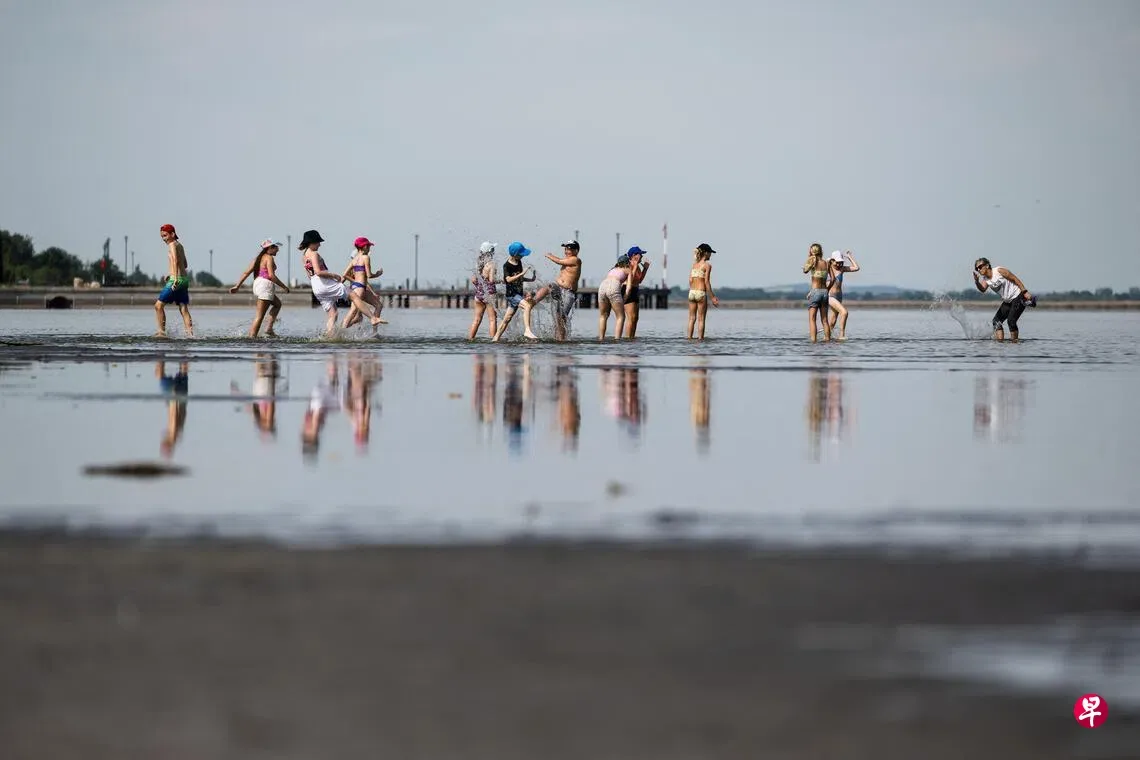
UNICEF published its Children’s Climate Risk Report on June 16, 2026, revealing that approximately 1.1 billion children worldwide face exposure to at least three overlapping climate hazards, such as drought, extreme heat, and heat waves [1, 2, 3]. Nearly all children—about 2.3 to 2.4 billion—are exposed to at least one climate hazard globally [1, 2, 3].
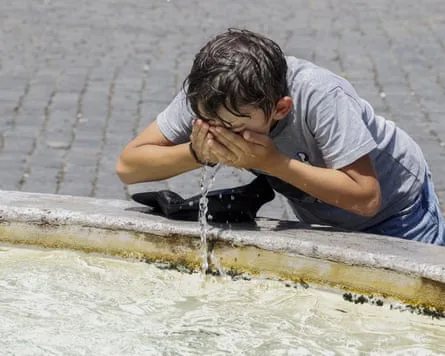
The most common set of overlapping risks combines drought, extreme heat above 35 degrees Celsius, and heat waves. These affect around 296 million children, including 74 million in Nigeria, 34 million in Pakistan, and 32 million in India [2, 3, 4, 5]. UNICEF found the number of children exposed to three or more hazards has increased sharply over the past 20 years [2, 3].
Children in Sub-Saharan Africa, particularly the Sahel region, and parts of South Asia suffer the greatest impacts both in absolute numbers and percentage terms, according to report author Tom Slaymaker. He said, "But they’re not all equal. We do see some hot spots... it’s really concentrated in Sub-Saharan Africa and parts of South Asia" [5]. Chad faces a dire humanitarian crisis, where over 95% of children are exposed to at least three climate hazards [5, 6].
Around 123,000 children globally are exposed to seven or more climate hazards in their lifetime, with approximately 46,000 living in Myanmar [1, 5]. In addition to climate hazards, almost all children are exposed to air pollution and about 1 billion face malaria or mosquito-borne disease risks [3].
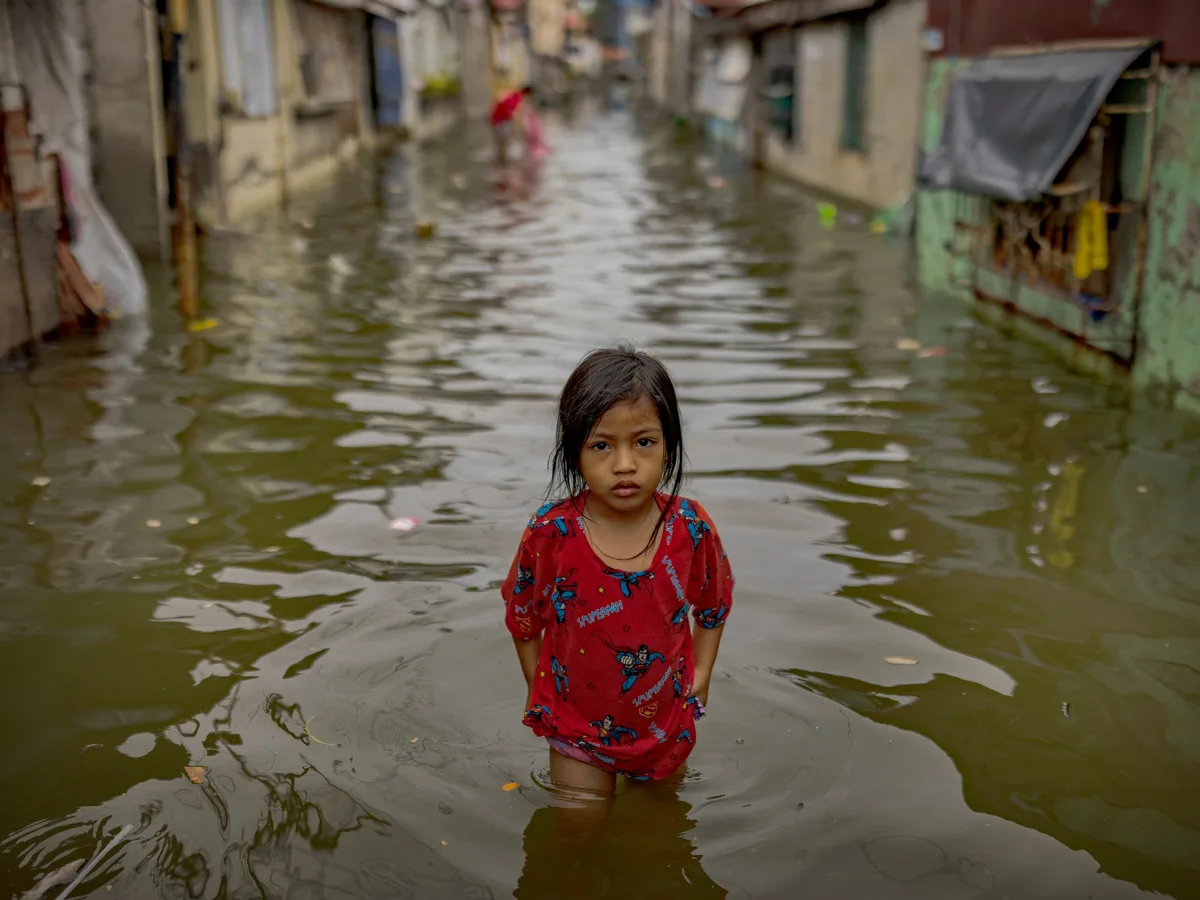
The report assessed eight hazards: coastal floods, river floods, drought, tropical storms, heat waves, extreme heat, wildfires, and sand or dust storms [1, 2, 3]. Island states also face unique challenges, including freshwater scarcity, dependency on imports, and vulnerability to tropical storms, affecting 39 island nations [3].
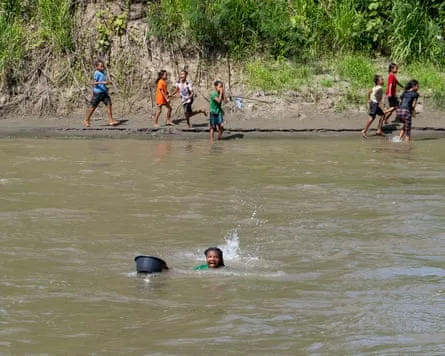
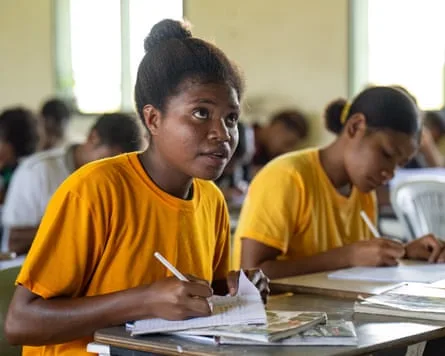
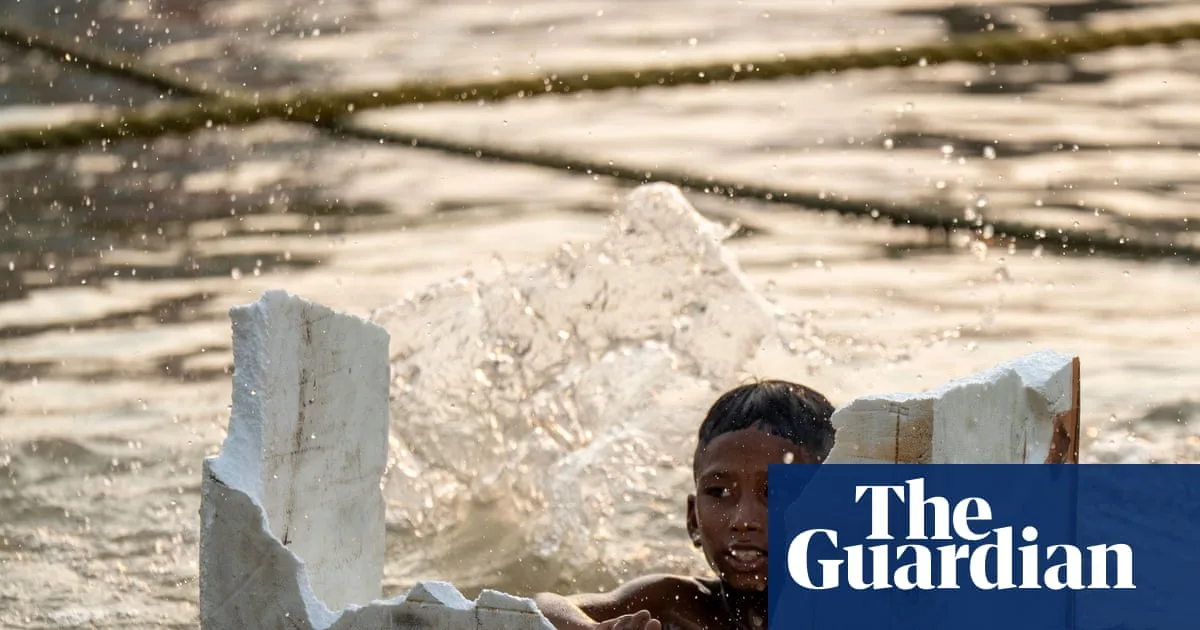
Local effects on children’s lives include the situation in Papua New Guinea, where floods in 2012 destroyed a footbridge in Launkalana. Since then, children have had to swim through crocodile-infested waters to reach school. Headteacher Charlie Vali David described the risks: "During monsoon season, heavy currents, dead trees and debris block the river – causing injury and death. Many children fall sick from the cold, dirty river water. That creates a learning gap. Especially for the females." [1]
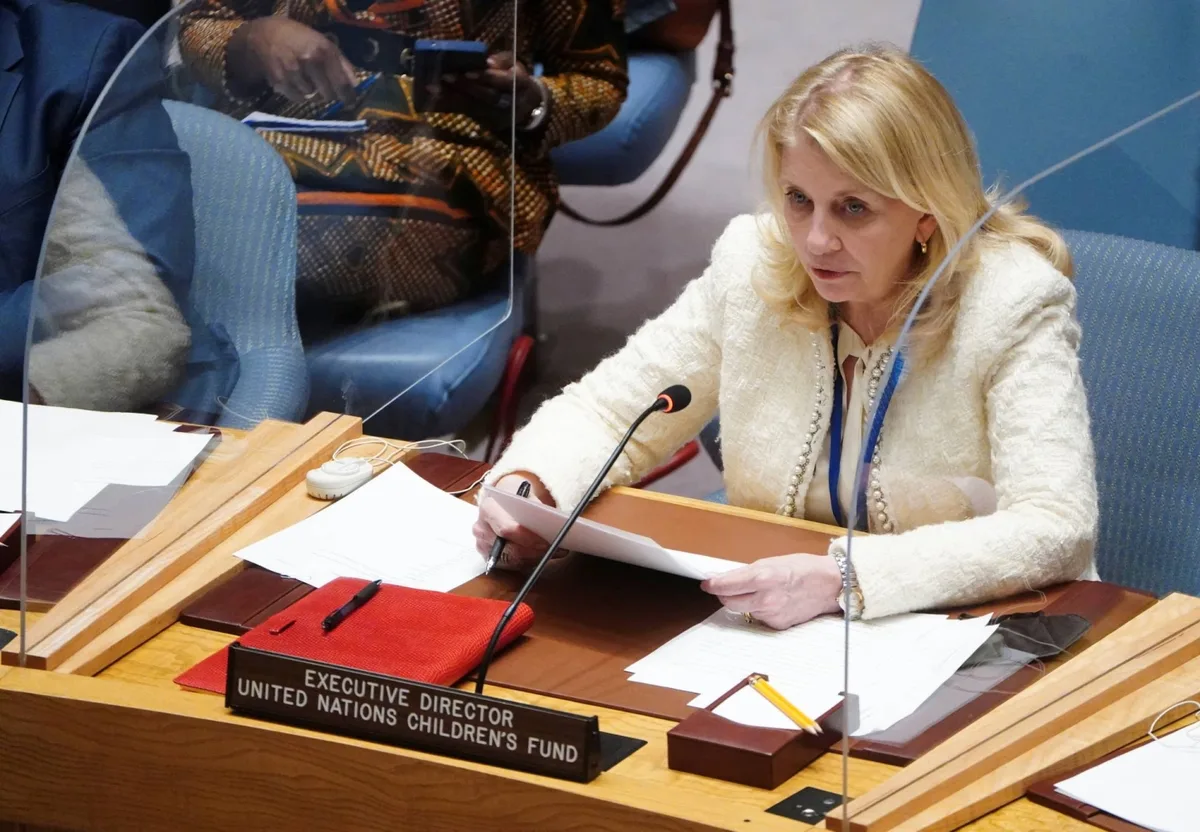
UNICEF Executive Director Catherine Russell said, "The lives of children continue to be upended by the impact of heatwaves, wildfires, droughts, and floods. Half of the world’s children are now living with at least three overlapping climate threats shaping their daily lives." She also emphasized, "Children are at the forefront of the impact of climate change" [1, 5].
The report calls for urgent greenhouse gas reductions, climate adaptation, and disaster risk reduction efforts. These include climate-resilient schools and healthcare, improved water supply, and social protection programs [1, 3].