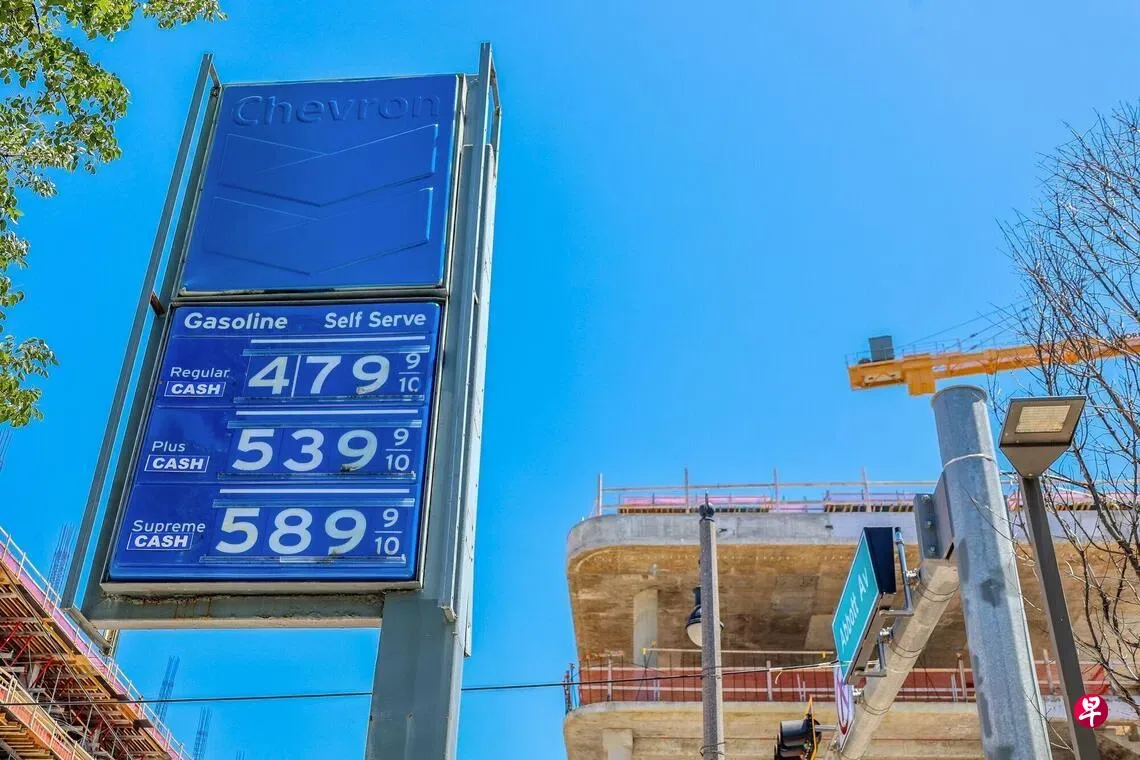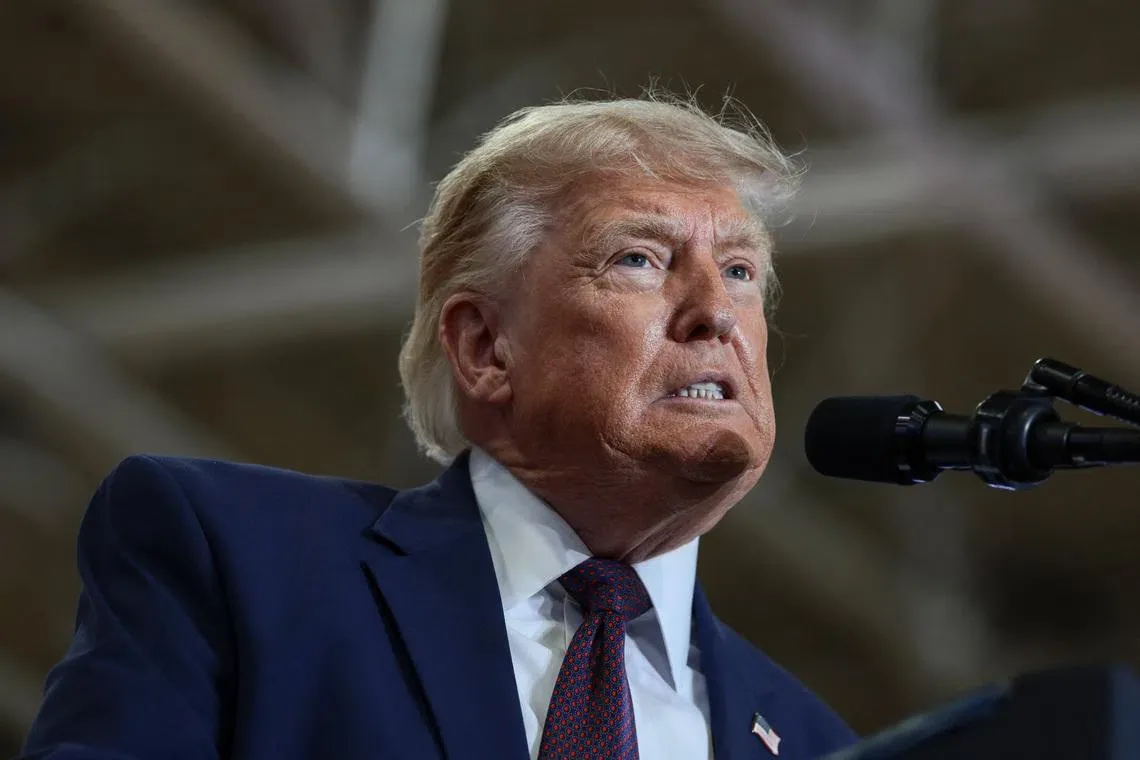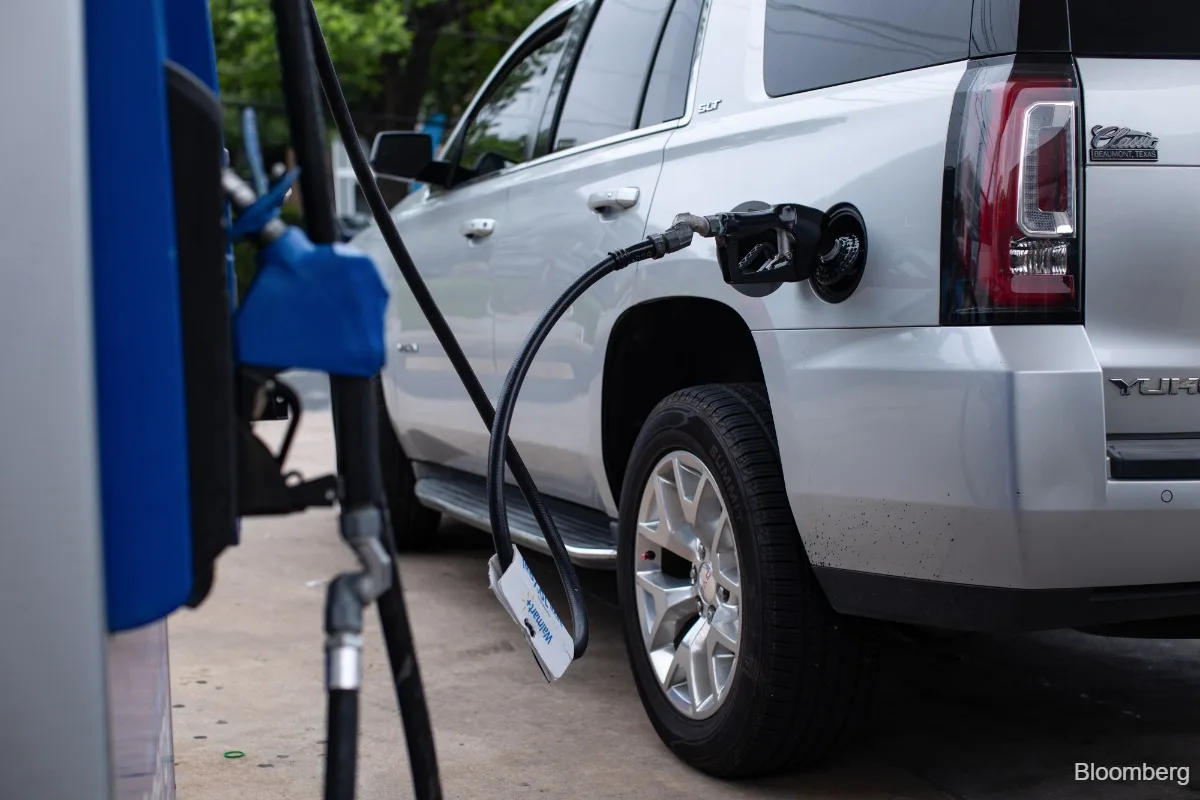
US President Donald Trump ordered the Department of Justice to investigate major oil companies for failing to reduce gasoline prices at the pump despite a sharp drop in crude oil prices. Trump announced the order on June 24, 2026, through his social media platform Truth Social, saying customers were being "gouged" as prices remained high despite crude prices falling "like a rock" [1, 2, 3, 4, 5, 6].
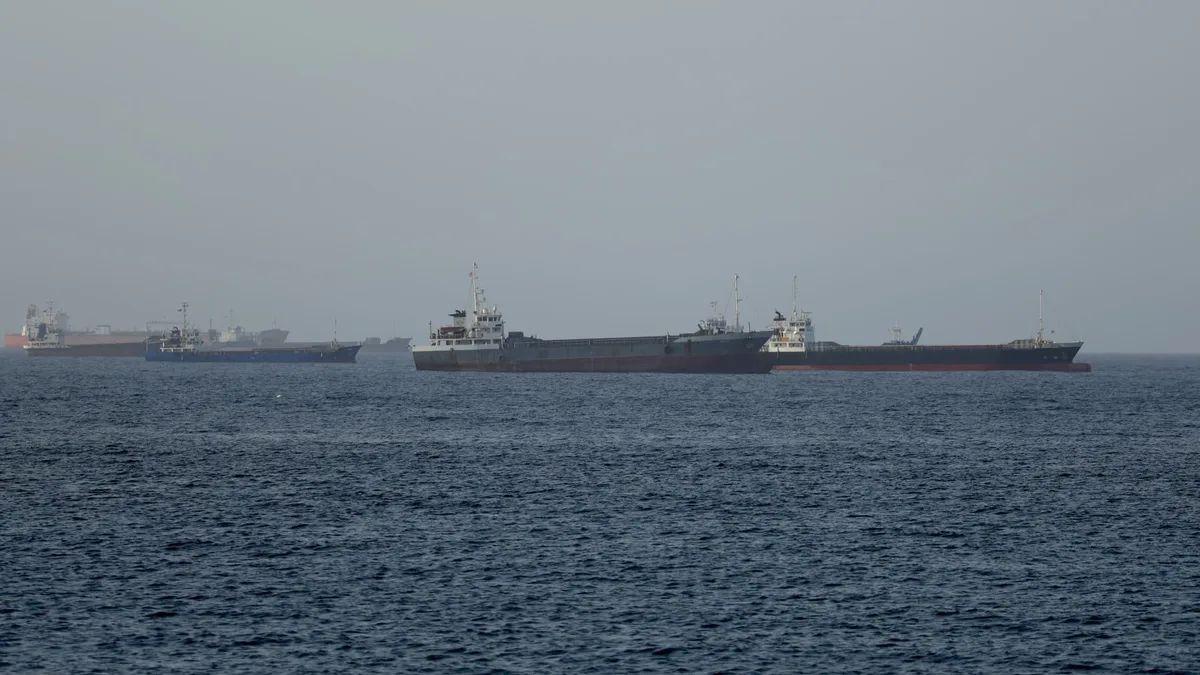
Since an interim peace deal between the US and Iran eased regional tensions and reopened the Strait of Hormuz, international oil prices have fallen significantly, pushing Brent crude below $75 per barrel [7, 2, 3, 8, 9, 10, 5]. Despite these declines, US retail gasoline prices held steady at around $3.92 to $3.93 per gallon as of June 23-24, higher than levels before the Middle East conflict, fueling consumer complaints and political pressure [2, 3, 9, 10, 5, 11].
Trump sharply criticized oil companies for not passing on the cost savings to consumers, stating, "The big Oil Companies are not dropping their price at the pump commensurate with the sharply lower prices they are paying for Oil...Gasoline prices better start going down a lot faster than what I’m seeing!" [3].
Economic experts challenged Trump’s view, explaining that gasoline prices do not fall immediately with crude oil. Karen Young from Columbia University noted, "There are state and local taxes, which are applied to the price of gas. It really is up to refiners, and it takes a couple of weeks for crude price drops to filter through to consumers." Others said it could take months for gasoline prices to stabilize fully due to refining and supply chain factors [2, 3, 8, 12, 4, 10].
Trump has faced political criticism over inflation and fuel costs linked to the Middle East conflict ahead of the November 2026 congressional elections [2, 3, 4, 10]. The Department of Justice and the White House have not yet issued detailed statements on the investigation’s targets or scope beyond Trump’s announcement [6, 11].
The easing of supply disruptions from the Strait of Hormuz reopening may eventually help bring gasoline prices down and ease supply chain pressures [7, 8, 9]. No further updates on the DOJ investigation have been released as of June 25.