The United States and Iran signed a 14-point preliminary peace agreement on June 17 that includes provisions for nuclear inspections by the International Atomic Energy Agency (IAEA) and reopening shipping through the Strait of Hormuz for 60 days without fees [1, 2, 3, 4, 5].
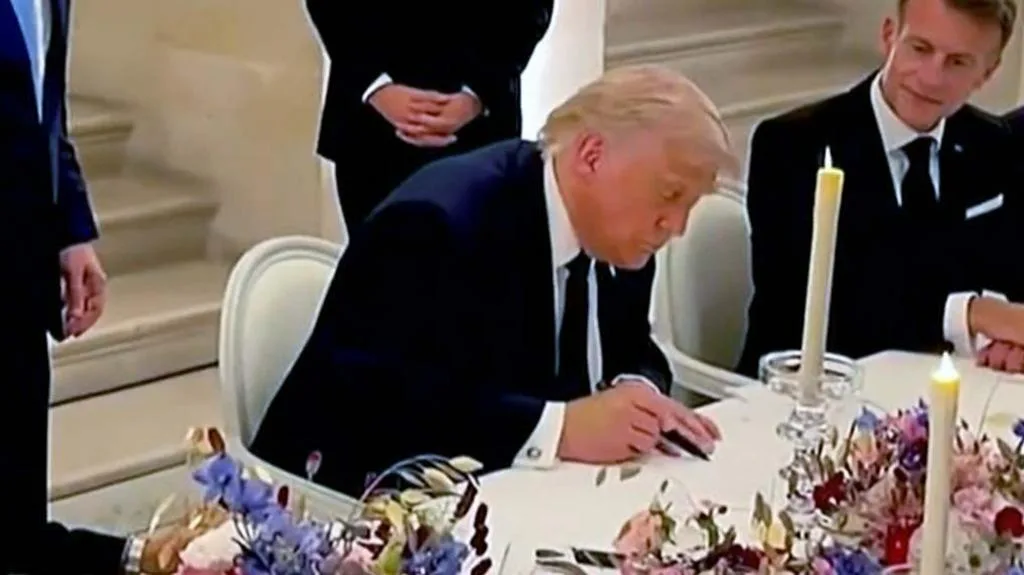
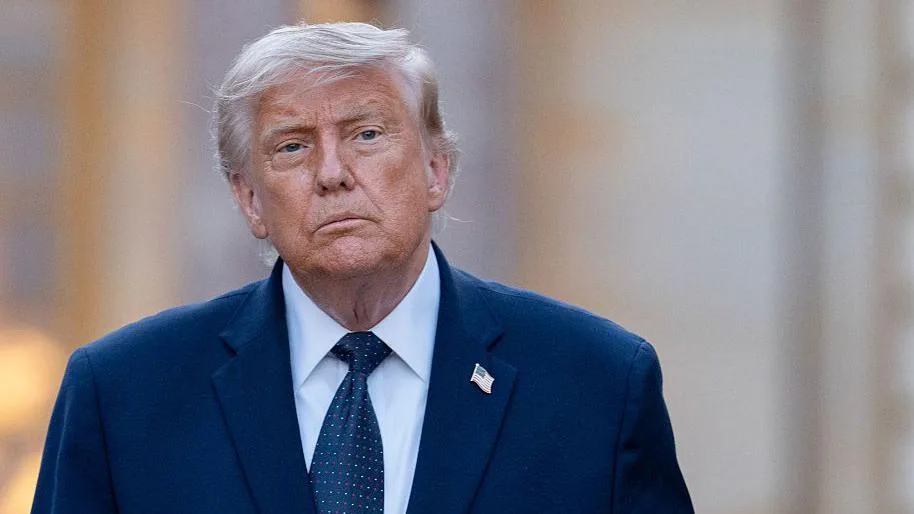
US President Donald Trump said Iran has fully agreed to "highest level Nuclear inspections long into the future (Infinity!!!)," warning talks would end if Iran refuses access [6, 7, 8]. Trump also announced that frozen Iranian assets released by the US will be held in escrow to buy food and medical supplies exclusively from US sources [6, 5, 9].
However, Iranian officials denied agreeing to inspections of nuclear sites damaged during the June 2025 conflict with Israel and stated no detailed access discussions have taken place. Iranian UN Ambassador Ali Bahreini said Tehran has yet to agree to IAEA inspection deployments, while Iran disputes US claims on control over the thawed funds [1, 7, 8, 10, 11].
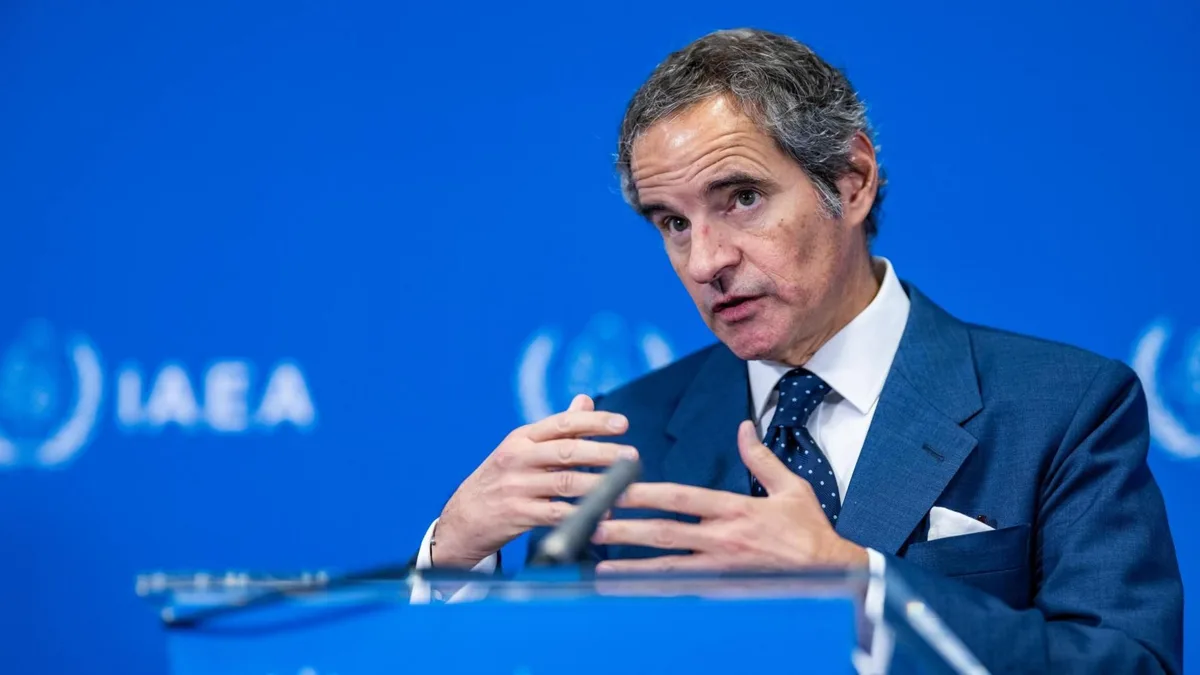
IAEA Director General Rafael Grossi confirmed inspections in Iran will occur soon but said modalities like dates, access, and procedures remain under negotiation. He commented, "The inspections will indeed take place. We will be working on the modalities - dates, procedures, places - very soon" [1, 3, 4].
US Vice President JD Vance claimed Iran agreed to invite IAEA inspectors back on June 22, but Iranian officials denied this [1, 8, 10]. Trump also insisted Iran promised no fees on shipping through Hormuz, adding, "If the news that Iran will charge fees for passing through Hormuz is fake, the talks will immediately end" [5].
Iran committed in the memorandum to dilute highly enriched uranium under IAEA supervision. However, Iran has not given access to its most sensitive nuclear sites, some of which were bombed in 2025, nor disclosed the status or location of enriched uranium stockpiles totaling over 440 kilograms enriched to 60% purity before attacks, including 200 kilograms stored in tunnels at Isfahan [4, 8, 10, 11].
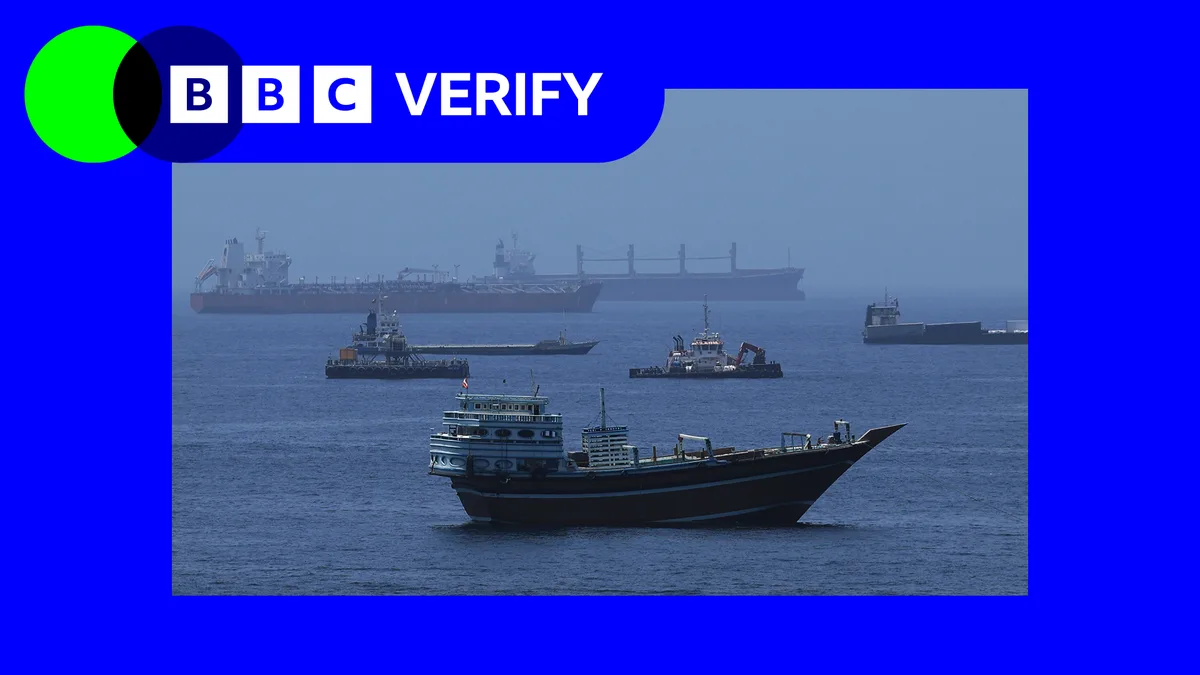
Oil prices fell below pre-war levels after the agreement and the resumption of shipping through the Hormuz Strait, where 19 million barrels passed on June 22 alone [1, 6, 2, 9].
The memorandum enables 60 days of talks aimed at finalizing terms [1, 3, 4]. The next step involves negotiating the precise inspection schedule, site access, and procedures with the IAEA, expected soon according to Grossi [1, 3, 4].