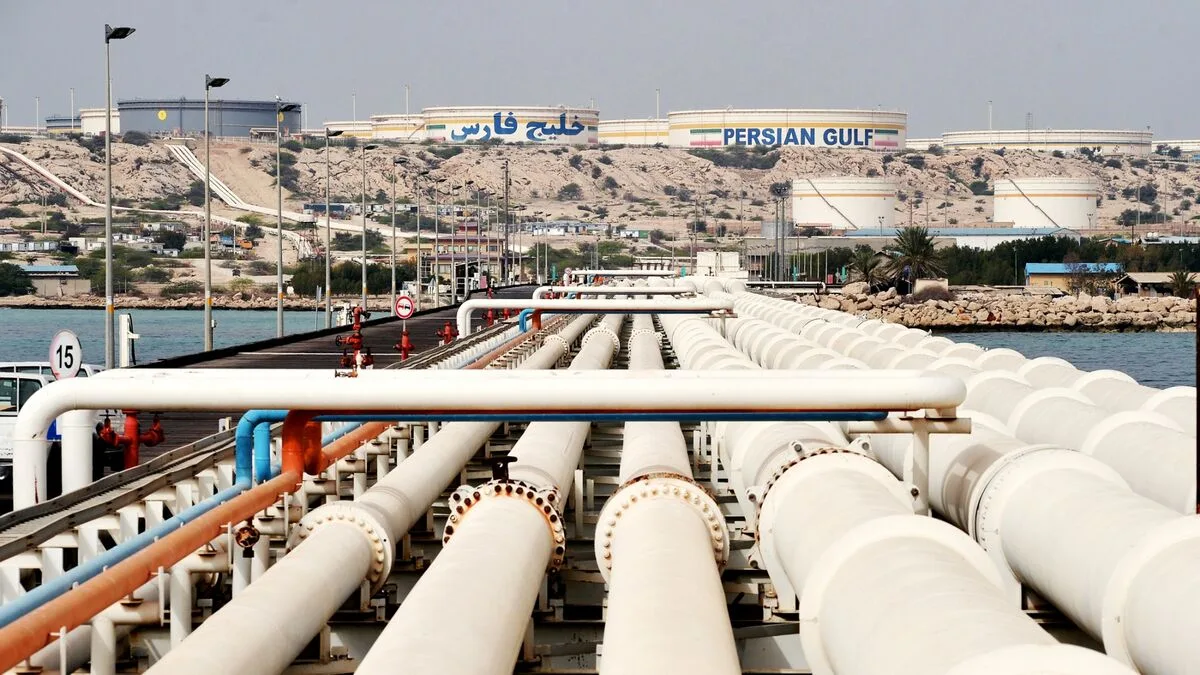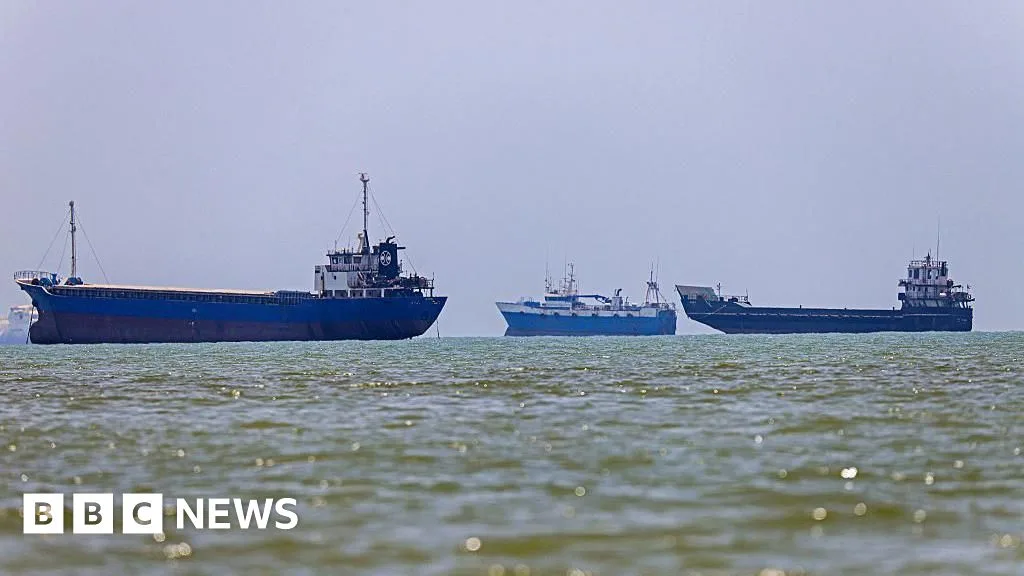
Iran declared the Strait of Hormuz closed again on June 22, blaming Israeli strikes on southern Lebanon for violating the US-Iran ceasefire deal signed earlier this month [1]. Tehran's Revolutionary Guard Corps Navy warned, "Do not approach the Strait of Hormuz; otherwise, your security will be jeopardized," signaling a renewed threat to this key maritime route [1].
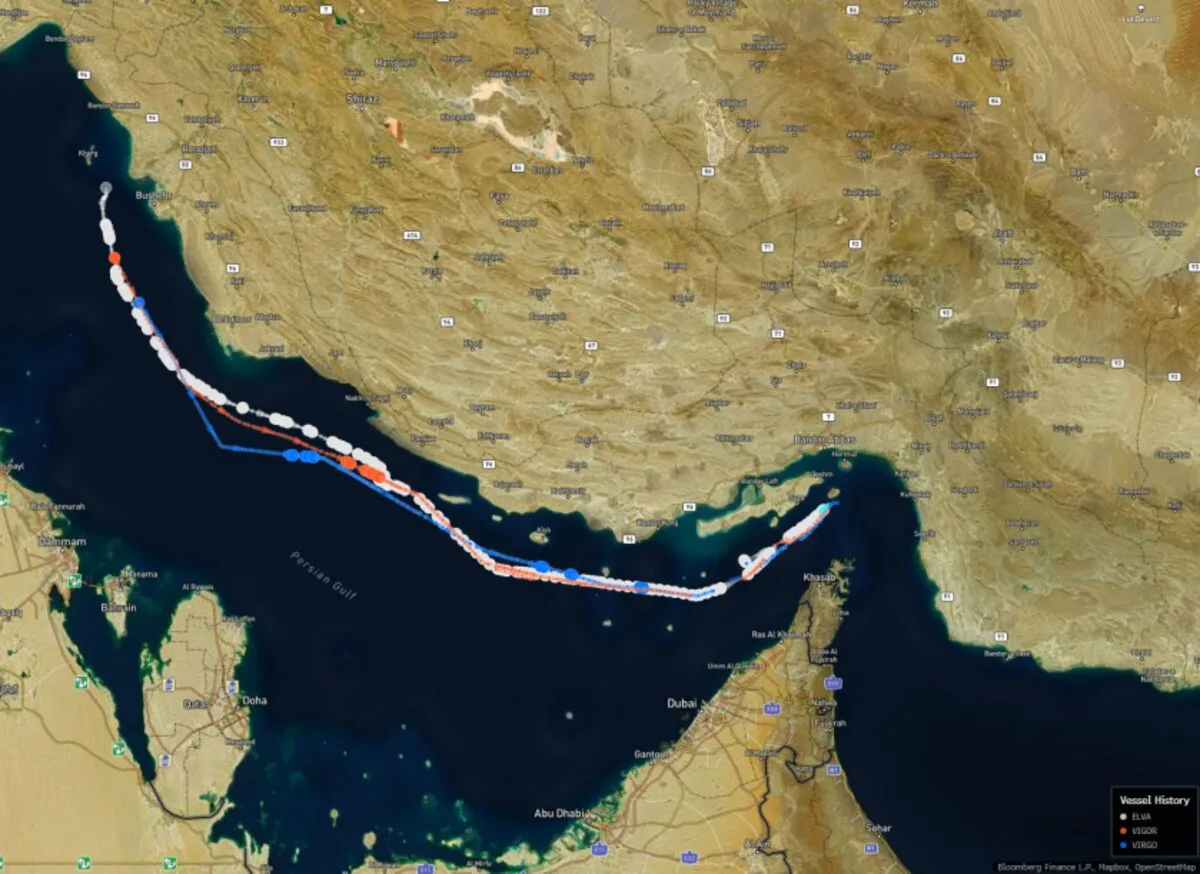
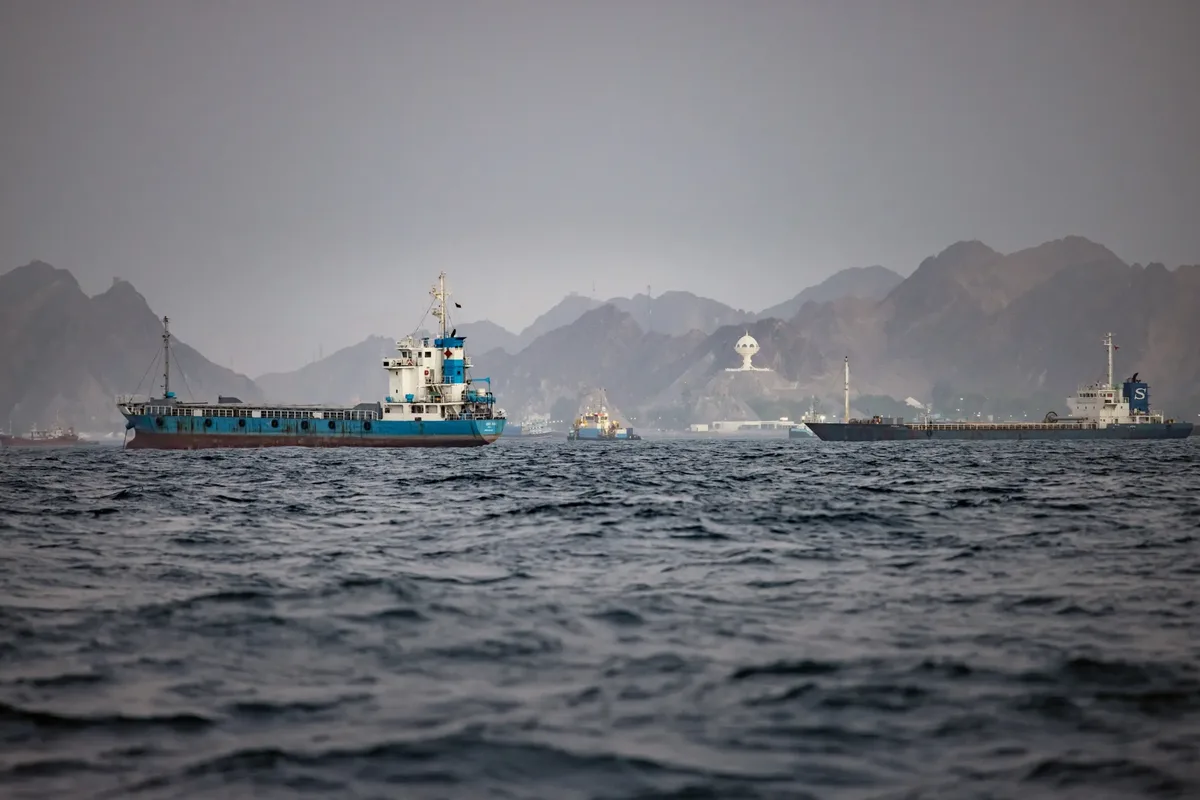
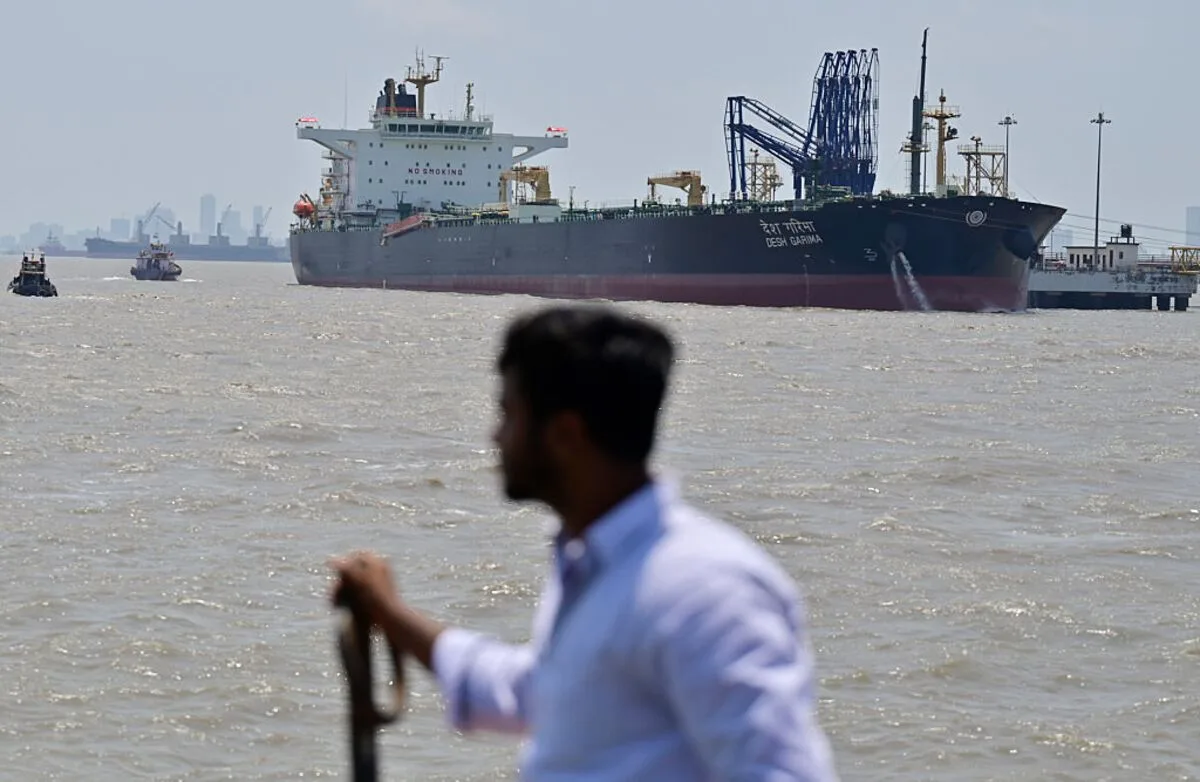
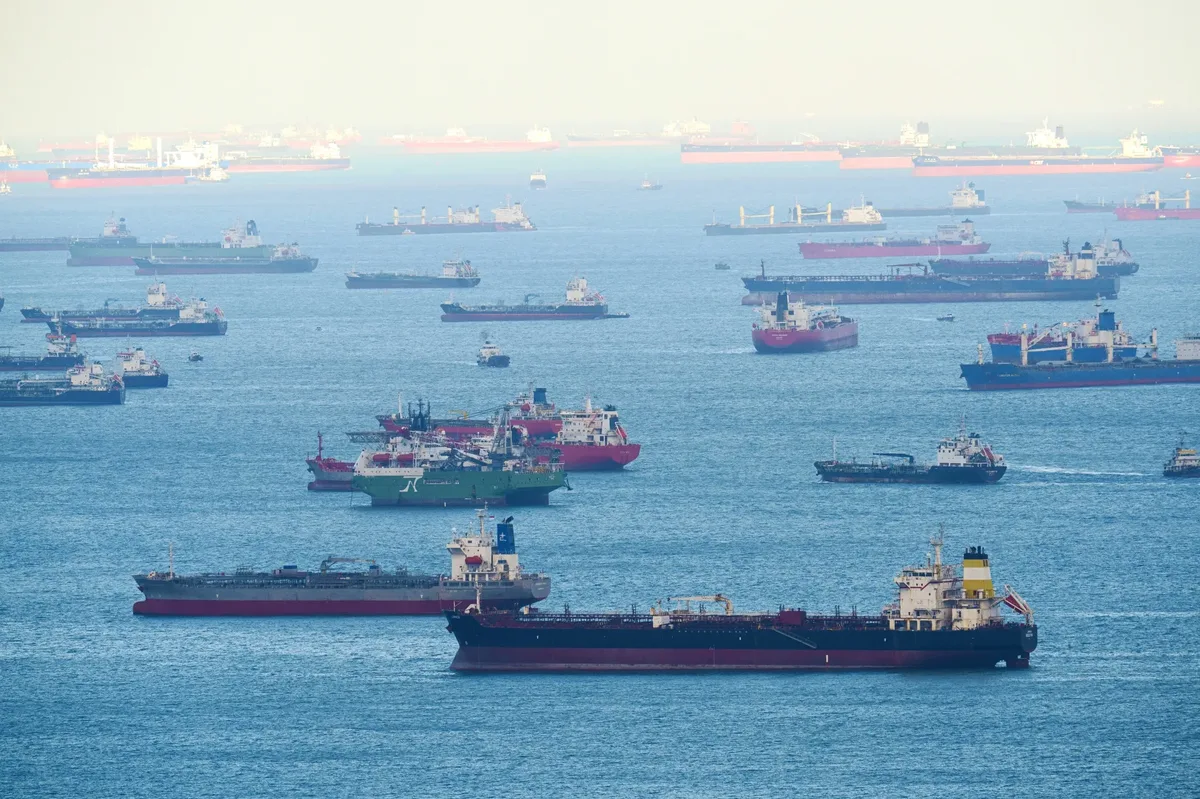
The Strait of Hormuz is a vital chokepoint, handling about 20% of the world's oil and liquefied natural gas exports [1]. Despite Iran's closure claim, commercial traffic has continued, with at least 55 merchant ships and three laden oil supertankers carrying nearly 6 million barrels passing through on June 21 [2, 3, 4]. Iran simultaneously increased its oil exports through the Strait to the highest levels since the war began, moving about 20 million barrels over the June 19-21 weekend [3, 4].
The closure announcement directly challenges a US-Iran memorandum of understanding (MOU) signed June 14 by President Trump and Iranian leaders. The 14-point interim framework aimed to end hostilities on all fronts, including Lebanon, and reopen the Strait of Hormuz [1, 5, 6, 7]. The deal defers contentious issues like Iran's nuclear program and missile arsenal to future talks [8, 7]. It also includes US promises to eventually lift sanctions, though the timeline remains vague [6, 7, 9].
Iran justified the closure as a response to Israeli violations of the ceasefire in southern Lebanon, following Israeli strikes that killed a family of four and Hezbollah retaliations complicating truce enforcement [1]. Israel confirmed a ceasefire began Friday afternoon but said operations to remove threats continue, denying any intent to withdraw from Lebanon involvement and insisting the Hezbollah conflict is separate from the Iran war [1].
The US-Iran agreement has drawn sharp criticism from Israeli officials and US Republicans. Yaakov Amidror, a former national security adviser to Netanyahu, called it "a bad agreement in which the Americans are paying with cash, and got, at the maximum, a letter of intent" to curb Iran's threats [8]. Israeli citizen Avi Perez said, "We were betrayed by President Trump," reflecting deep Israeli dissatisfaction [10]. Republican Senator Bill Cassidy condemned the deal as "the worst foreign policy blunder in decades," saying "Iran’s nuclear ambitions were not curbed, and they have learned that threatening the Strait of Hormuz works and will undoubtedly leverage it in the future" [9].
Iranian crude prices to China have fallen since the deal thanks to resumed shipments, signaling a temporary economic boost for Tehran [11]. The Strait remains a flashpoint amid conflicting claims of closure and ongoing heavy maritime traffic [2, 3, 12, 4].
The US-Iran memorandum continues to be monitored closely, with enforcement of the Lebanon ceasefire and Strait of Hormuz access key benchmarks. The truce with Hezbollah remains fragile amid Israeli strikes, and the next steps on nuclear and missile negotiations are scheduled for future discussions deferred by the MOU [1, 8, 7].