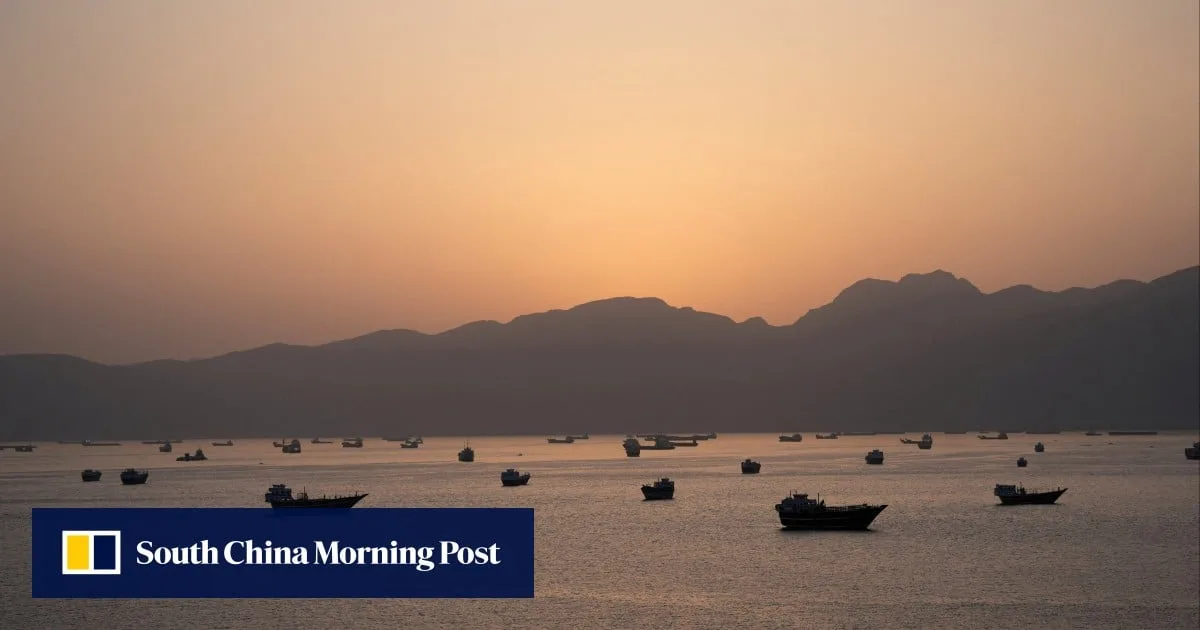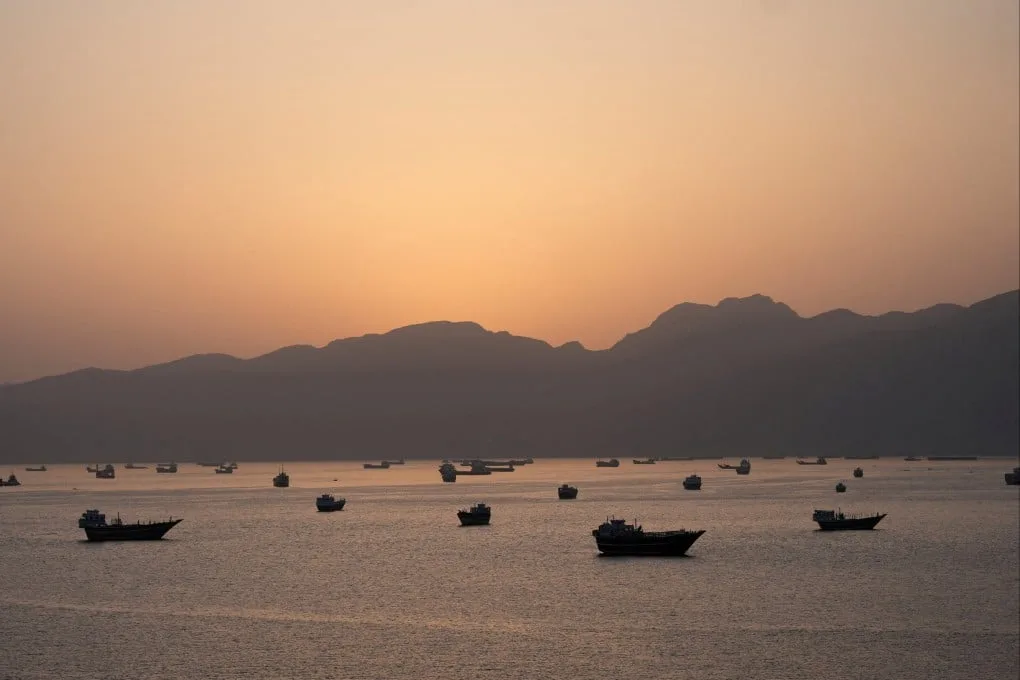
US President Donald Trump announced Project Freedom on May 3 to help commercial vessels stranded in the Strait of Hormuz safely exit restricted waterways. Trump described the plan as a "humanitarian gesture" to "help free up" shipping routes and said, "This process, Project Freedom, will begin Monday morning, Middle East time" [1, 2].
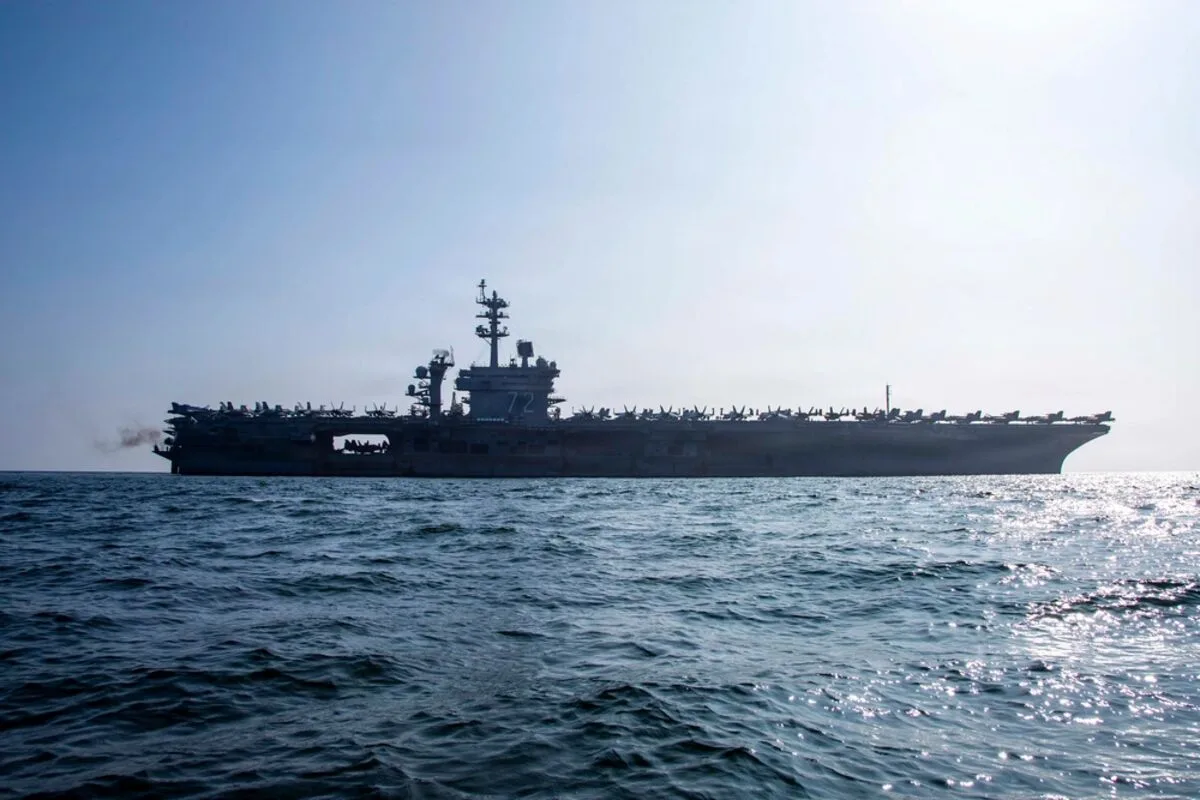
The US Navy is set to provide commercial ships with information on maritime lanes and remain nearby to deter attacks. US Central Command said its forces, including over 15,000 service members and more than 100 land- and sea-based aircraft plus multi-domain unmanned platforms, would begin supporting the effort on Monday [2]. Trump's message emphasized safe passage so ships could "freely and ably get on with their business" [1].
Reports noted that no full operational details were provided in Trump's announcement, leaving some shipping executives perplexed as attacks continue and maritime traffic remains near a standstill [1]. Trump warned that if the humanitarian process is interfered with, "that interference will, unfortunately, have to be dealt with forcefully" [2].
The announcement framed the plan as a response to requests from countries described as neutral and innocent in the conflict [2]. However, Iranian official Ebrahim Azizi condemned the plan, stating, "Any American interference in the new maritime regime of the Strait of Hormuz will be considered a violation of the ceasefire" and warned that "The Strait of Hormuz and the Persian Gulf would not be managed by Trump’s delusional posts!" [2].
Project Freedom is scheduled to begin Monday, May 4, with US Central Command confirming operational support will start the same day [2].