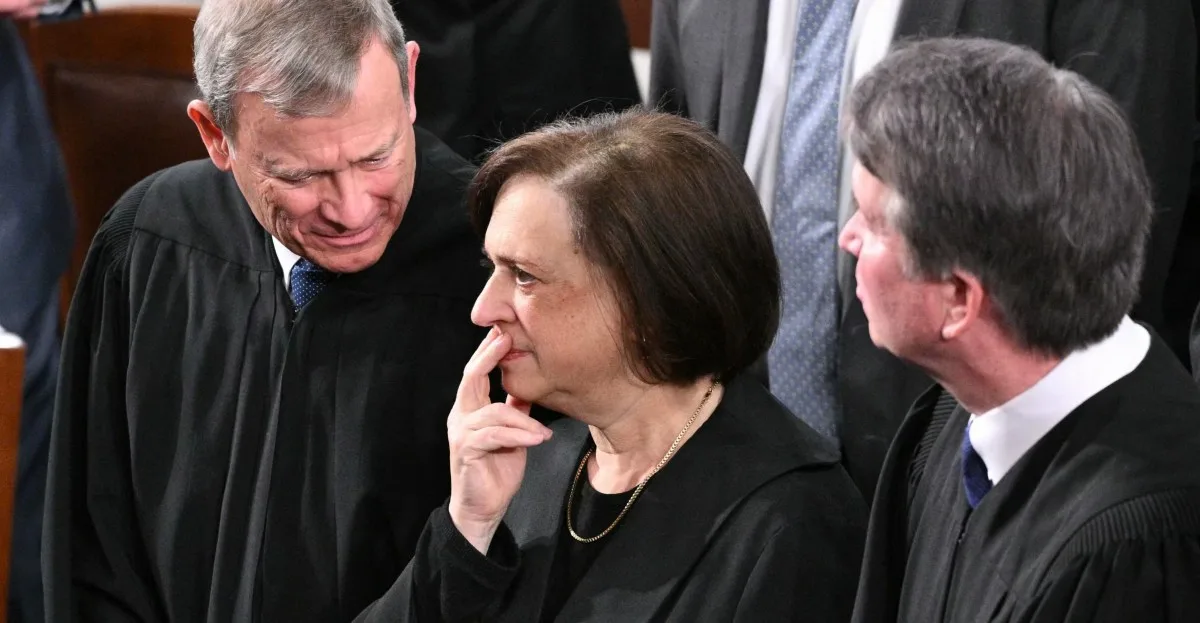
The Supreme Court heard the last arguments of its 2026 term on Wednesday and is set to finish writing opinions before summer recess. [1]
The court still has two major sets of cases left: election law disputes and challenges tied to former President Donald Trump’s effort to expand presidential power. [1]
One recent ruling already reshaped the term’s election docket. In Louisiana v. Callais, the justices struck down a Voting Rights Act provision that required certain majority-Black or Latino districts, a decision that is likely to cost Democrats of color seats in Southern states. [1]
Two more election cases remain on the calendar, including National Republican Senatorial Committee v. FEC. In that case, Republicans want the court to strike down party contribution limits. [1]
On the Trump front, the court’s Republican majority has shown support for the unitary executive theory, which would strengthen a president’s control over the executive branch. That line of cases has favored Trump’s power to fire federal agency heads, but the court is likely to reject his bid to strip citizenship from US-born Americans. [1]
Other big conservative priorities are also still in play. The court is expected to expand Second Amendment rights and issue rulings that would go against transgender student athletes in cases touching gun rights and LGBTQ rights. [1]
The court normally hears about 60 cases per term, and the remaining decisions are expected in June 2026 before the justices leave for summer recess. [1]