The US Supreme Court ruled 6-3 on April 29, 2026, that Louisiana's congressional district lines creating two Black-majority districts are an unconstitutional racial gerrymander [1]. The decision weakens Section 2 of the Voting Rights Act by allowing states greater freedom to draw maps based on partisanship instead of race [1].
The ruling threatens safe Democratic seats in the deep South, with losses expected in the 2026 midterm elections. Republican-led Southern states such as Alabama, Mississippi, and Tennessee are expected to redraw maps more aggressively in their favor [1].
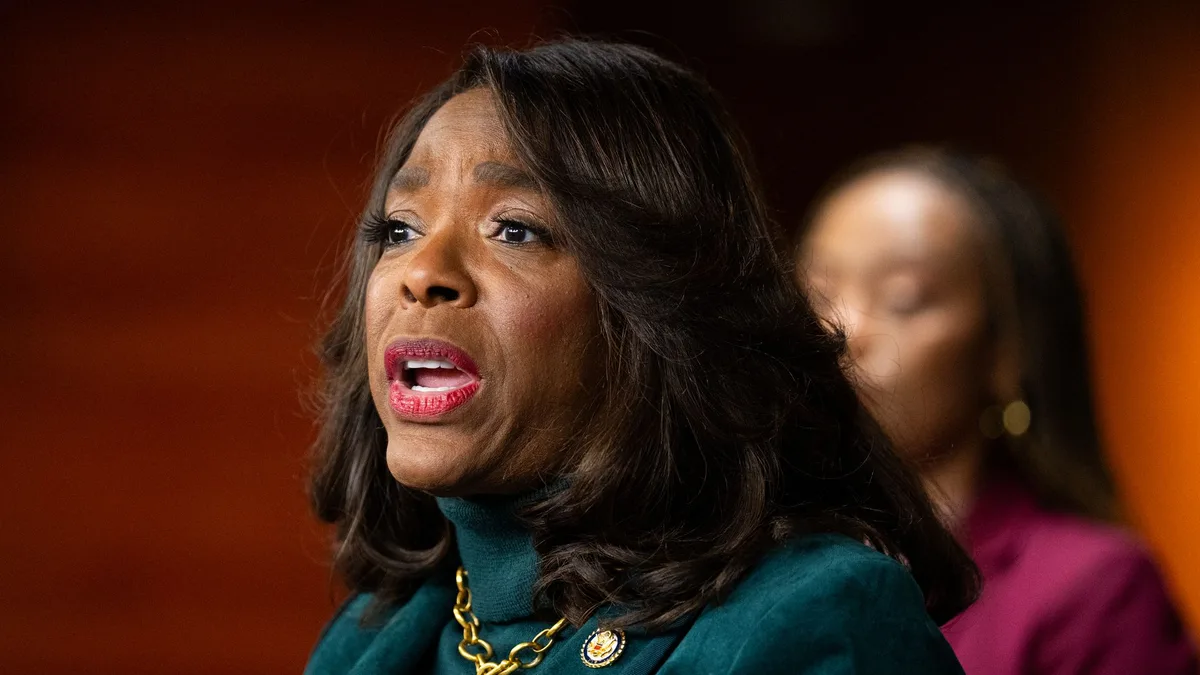
Lawmakers and voting rights advocates expressed strong criticism. Rep. Yvette Clarke (D-N.Y.) called the ruling "a devastating blow," while Former House Speaker Nancy Pelosi said, "It's not good" [1]. Rep. Terri Sewell (D-Ala.) said, "This is an open invitation to every Republican state to try to redraw their maps before this election towards partisan ends," noting fears she may be drawn out of her majority-minority district this year [1].
NAACP President Derrick Johnson described the ruling as "a devastating blow" to voting rights [1]. Some Democrats, like Rep. Becca Balint (D-Vt.), while demoralized, said the party "is still in a good position" and believes it remains ahead in the 2026 House elections [1].
The ruling marks a major shift in how racial considerations are weighed in redistricting, with the Supreme Court curtailing protections under the Voting Rights Act. The next key development will be how Southern states redraw their maps ahead of the 2026 midterm elections.