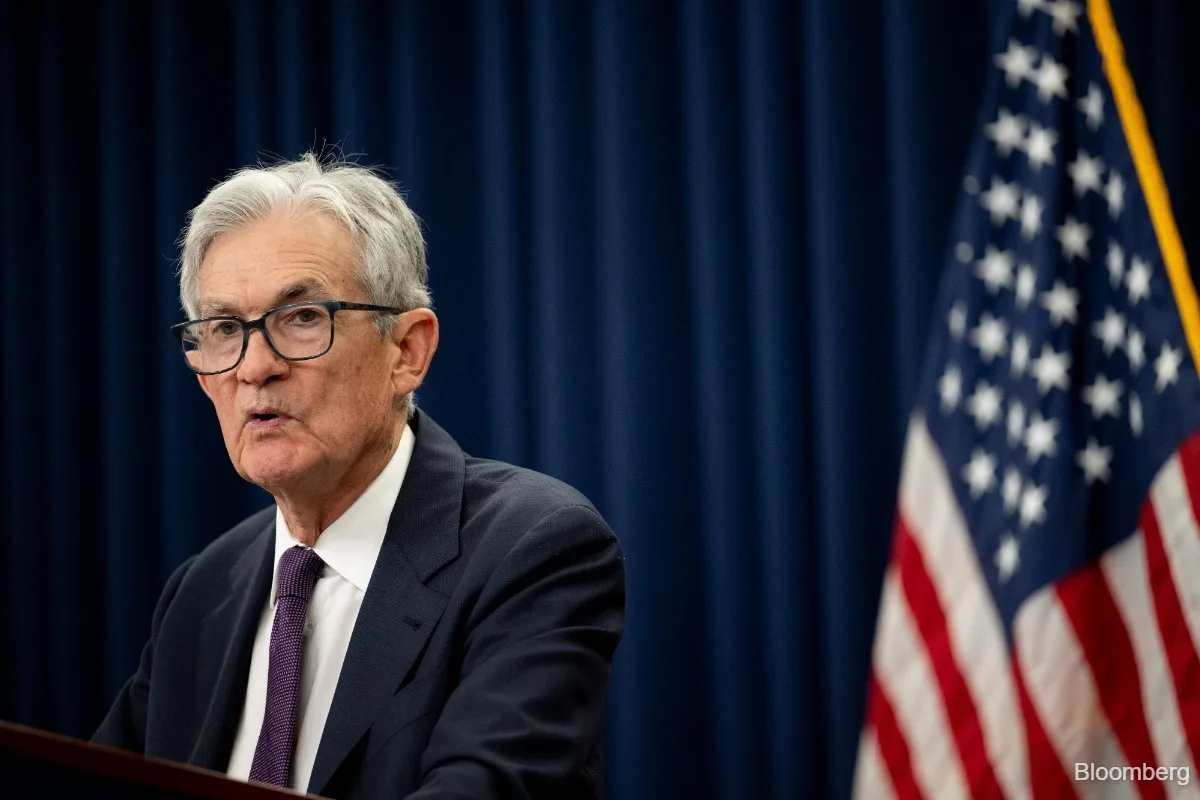
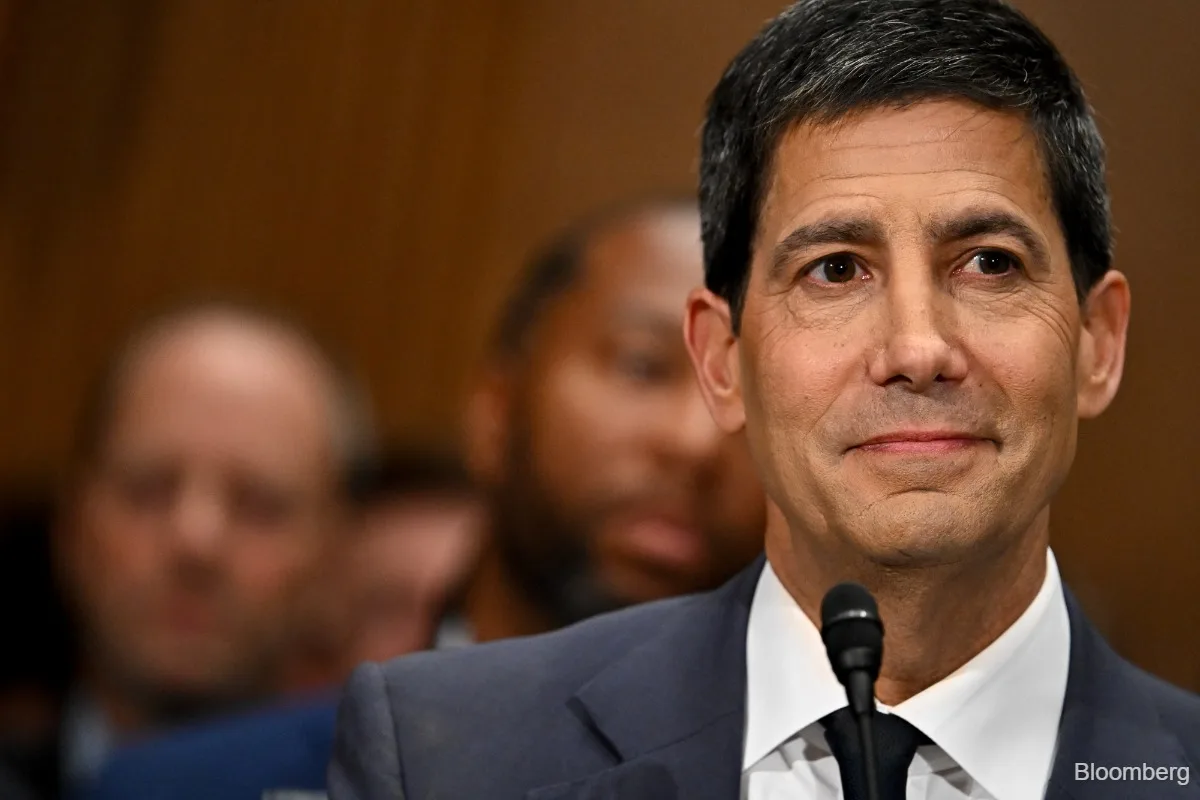
Kevin Warsh was confirmed by the US Senate as a Federal Reserve governor on May 12, 2026, and as Fed chair on May 13, 2026. His chair term is set for four years, with a 14-year term on the Fed board overall [1, 2, 3, 4, 5, 6, 7, 8]. The Senate votes were narrow and largely split along party lines. Democratic Senator John Fetterman broke ranks to support Warsh [1, 2, 4, 6, 7, 8]. The Senate confirmed Warsh as Fed governor by a 51-45 vote, although some sources reported a disputed 49-44 count [1, 2, 3]. The chair confirmation vote was 54-45 [4, 5, 6, 7, 8].
Warsh faces a challenging economic environment. Inflation stood at 3.8% in April 2026, the highest since 2023, driven by rising energy and food prices amid Middle East tensions [3, 5, 7, 9]. The Federal Reserve's policy interest rate target ranged from 3.50% to 3.75% [9]. Economic officials increasingly anticipate a rate hike due to inflation pressures and geopolitical risks [9]. David Wessel of the Brookings Institution said Warsh’s biggest challenge will be dealing with President Trump, who does not respect Fed independence and wants lower interest rates [5].
Warsh has vowed to bring "regime change" to the Fed by seeking closer coordination with the Treasury and aiming to reduce the Fed’s balance sheet to allow for lower rates [2, 5, 6, 7]. He pledged to "take politics out of monetary policy and monetary policy out of politics," signaling efforts to manage political pressures [4]. However, Democrats opposed his confirmation over fears he would not maintain Fed independence under Trump's influence [1, 2, 4, 6, 8]. Columbia Law Professor Kathryn Judge called the recent moves against Fed independence "unprecedented" and warned pressure for rate cuts will persist despite Warsh being Trump's pick [6].
Jerome Powell’s four-year term as Fed chair ended on May 15, 2026. He was named chair pro tempore without a fixed term until Warsh is sworn in, a designation some Fed board members criticized for lacking limits [10, 11, 12]. Powell remained a Fed governor amid earlier Department of Justice investigations that were later dropped [1, 2, 4, 5, 6]. Michelle Bowman and Stephen Miran expressed opposition to the open-ended temporary chairmanship, suggesting a fixed period of one week to a month instead [11].
Warsh is expected to be sworn in as Fed chair on May 22, 2026, in a White House ceremony hosted by President Trump [10, 8]. His first Federal Reserve rate-setting meeting as chair will be June 16-17, 2026 [9].