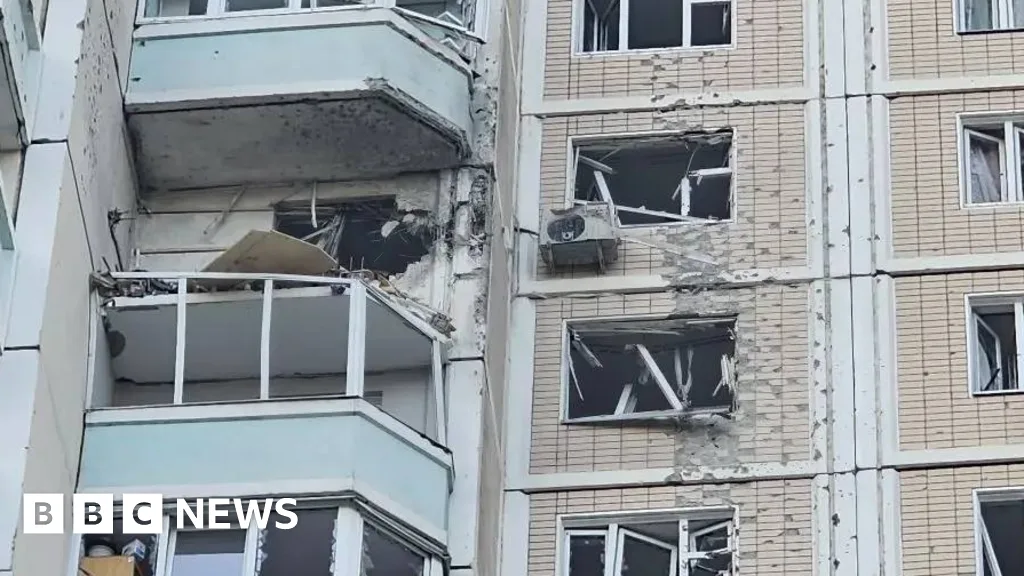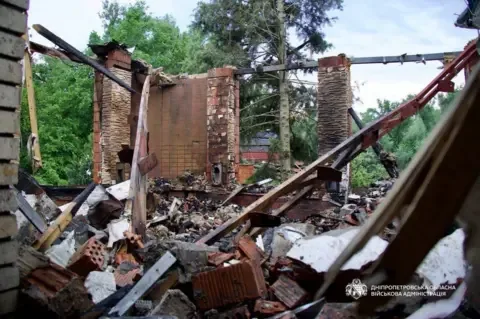
Russia launched hundreds of drones against Ukraine after the ceasefire expired late on May 11, resulting in multiple civilian deaths and widespread damage across several regions including Kyiv, Dnipropetrovsk, Donetsk, Kharkiv, and others [1, 2, 3, 4, 5, 6]. Ukrainian officials reported between about 200 and 892 Russian drones in the 24 hours following the ceasefire, with Ukrainian air defenses intercepting 111 to 192 of them, but dozens still caused destruction and casualties [1, 2, 3, 4, 5, 6].
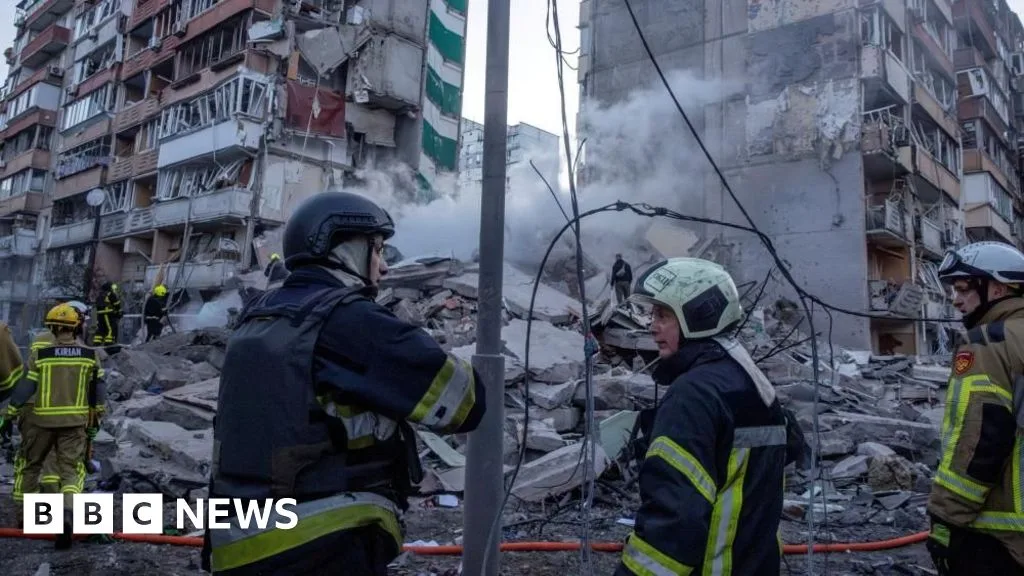
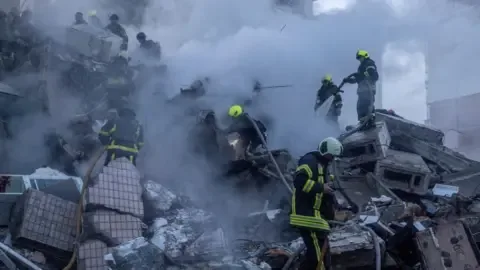
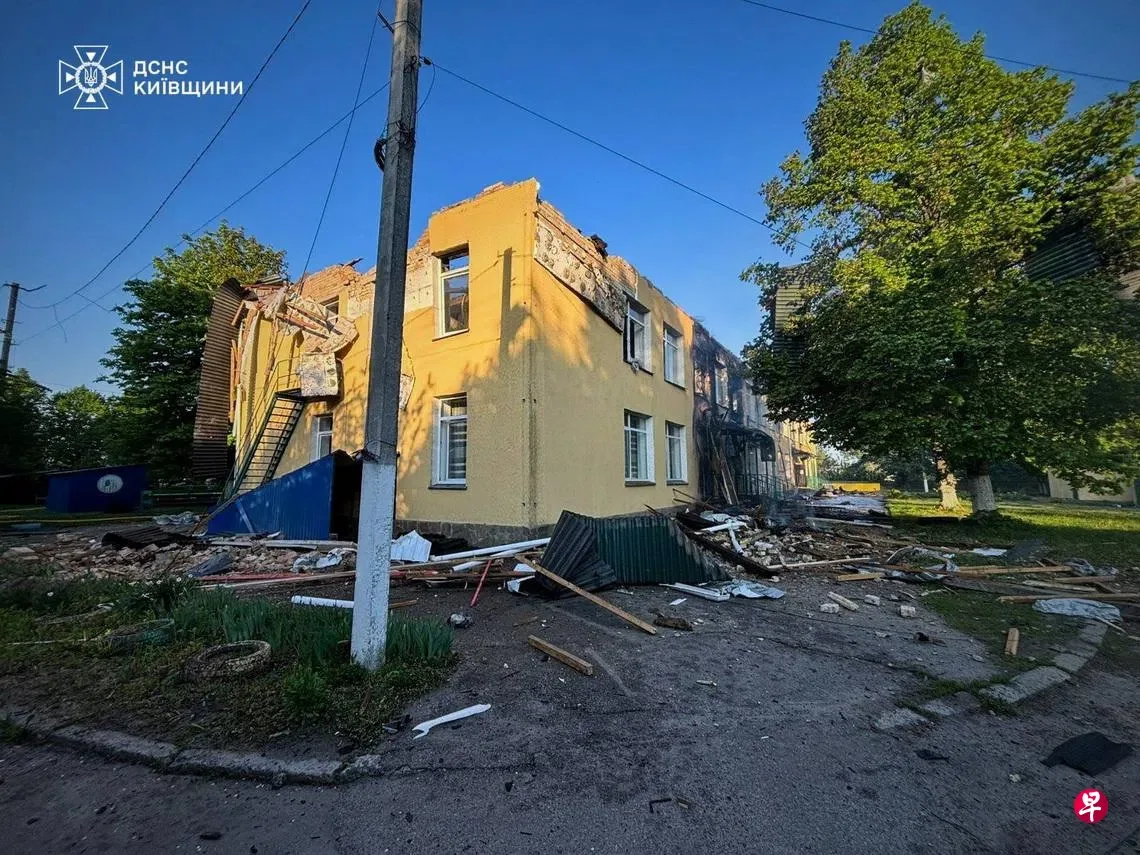
At least nine people were killed on May 12 from Russian drone strikes, including eight in Dnipropetrovsk and one in Donetsk, with additional fatalities reported separately in Kyiv and other areas [1, 2, 3, 4]. Russian strikes targeted civilian infrastructure such as residential buildings, railway lines, schools, a kindergarten, and energy facilities [1, 3, 5, 6]. Kyiv saw heavy missile and drone attacks overnight on May 13-14, damaging multiple residential buildings and sparking fires amid ongoing rescue operations [2, 7]. Vitaliy Klitschko, Kyiv’s mayor, said debris from a downed drone hit a 16-story building’s roof, causing a blaze [3]. Oleksandr Hanzha added that more than two dozen houses were damaged [1].
Ukrainian President Volodymyr Zelensky condemned the strikes, saying, "Russia continues its strikes and is doing so brazenly – deliberately targeting our railway infrastructure and civilian sites in our cities". He called for sustained international support, stating, "It is important to support Ukraine and not remain silent about Russia's war" [5].
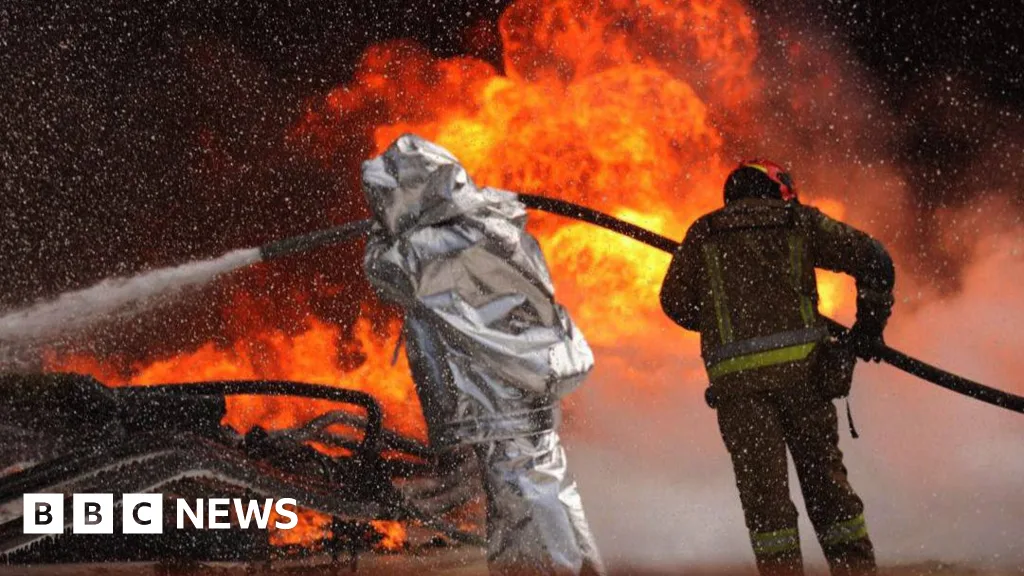
Meanwhile, Ukraine conducted large-scale counterattacks with drones on Russian energy infrastructure in southern and western regions including Krasnodar, Astrakhan, Perm, Tuapse, Syzran, and Yaroslavl [8, 9, 10, 11]. Russian officials reported intercepting hundreds of Ukrainian drones—286 in a single overnight operation—including over Crimea [8, 9]. Although fires broke out from debris, Russian sources said no casualties occurred [8, 9, 11]. This contrasts with one claim of deaths in Moscow region from a Ukrainian strike, which other sources dispute [8, 9, 11].
Russian drone tactics have shifted to include more daylight strikes, increasing disruption to civilian life [5, 6]. The ceasefire, brokered by the US under Donald Trump, lasted from May 9 to 11 and saw limited fighting, mostly along the frontline, with no major aerial attacks during that period [1, 3, 4, 12]. Trump remarked, "The end of the war in Ukraine I really think is getting very close," but Kremlin spokespeople said it is premature to discuss details of a possible end [12, 6].
Ukrainian officials had proposed extending the partial ceasefire beyond May 11, but Russia launched immediate drone attacks instead, said Andriy Sybiha: "We proposed Moscow to extend the partial ceasefire beyond May 11th. Instead, this night Russia launched over 200 drones against Ukraine, targeting civilian infrastructure, including a kindergarten, injuring at least six and killing at least one person" [3].
Russian President Vladimir Putin hinted the conflict might be drawing to an end but provided no specifics [12, 6]. Ukrainian attacks on Russian energy targets continued after May 12, while Russian strikes persisted on Ukrainian cities. Rescue and recovery efforts continue in Kyiv and other affected areas following recent damage [2, 7].