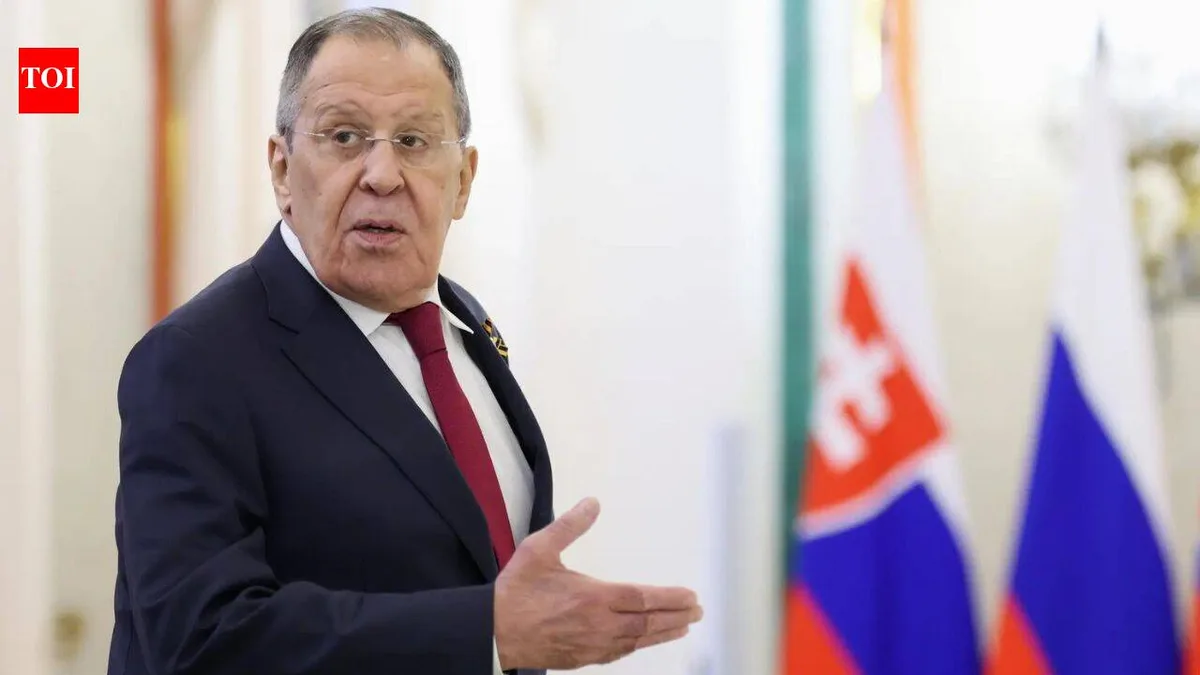
Russia accused the United States this week of failing to deliver on "understandings" reached between Presidents Vladimir Putin and Donald Trump at an August 2022 summit in Anchorage, Alaska [1, 2, 3]. Three senior Russian officials said Washington had not followed up on these agreements, though they did not specify details [1, 2].
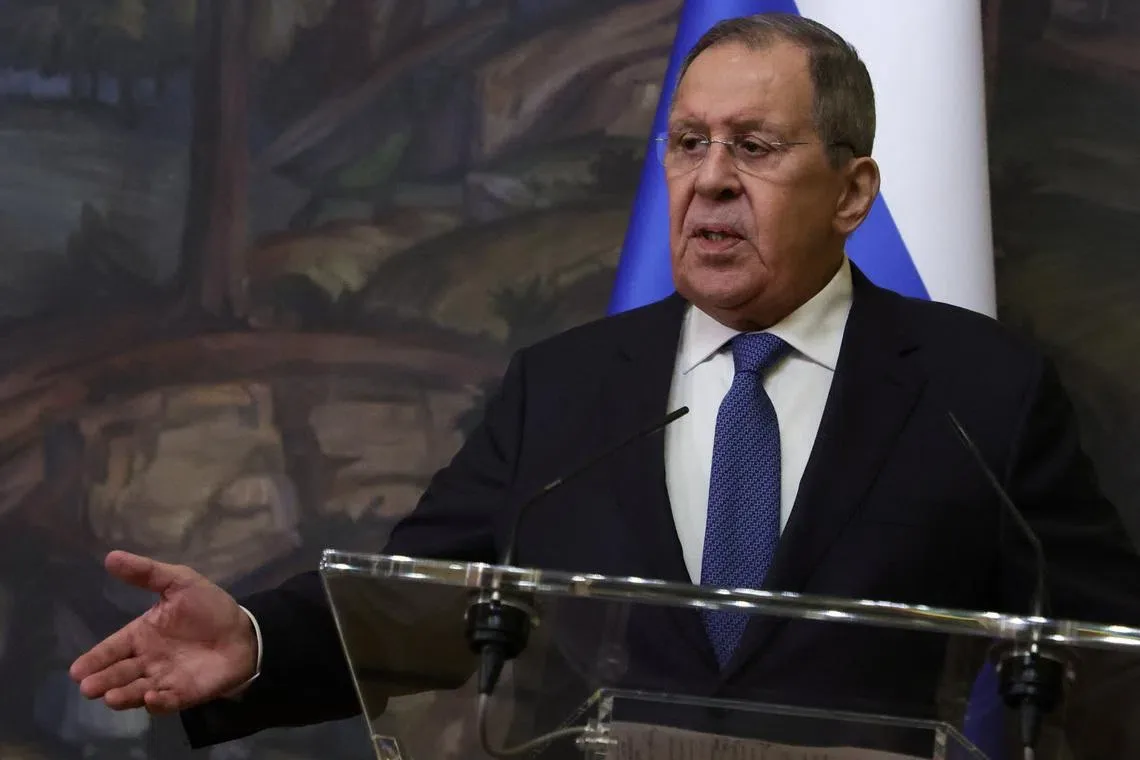
Russian Foreign Minister Sergei Lavrov said Putin had already made compromises during the summit and refused to make further concessions. He said, "In Anchorage, he (Putin) told President Trump: ‘There are certain nuances here, but I’ll take responsibility for them; I accept your proposals.’ That was already a compromise. And now they’re telling us: ‘Listen, it’s not working out yet – let’s come up with another concession.’" [4, 3]
Lavrov also suggested the summit might have been a US strategy "to buy time to rearm Kyiv," claiming Washington has moved closer to anti-Russian policies aligned with European allies such as the UK and France [1, 4].
Russian officials use the term "Spirit of Anchorage" to describe the alleged understandings, which reportedly centered on Ukraine relinquishing control of the Donbas region in exchange for Russia freezing battle lines elsewhere [1, 2, 3]. Kyiv has firmly rejected any agreement to cede territory and continues military operations [4].
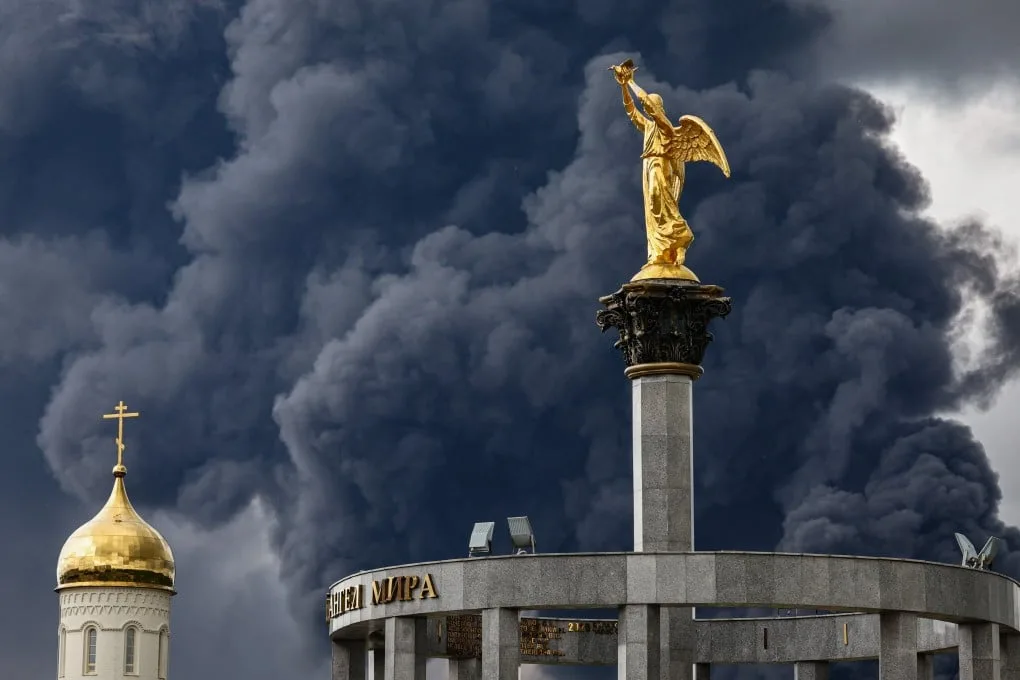
Ukrainian drone strikes deep inside Russia intensified last week, including attacks on a Moscow oil refinery between June 16 and 20 [1, 2, 3].
At the June 20 G7 summit in Evian, France, Ukrainian President Volodymyr Zelensky told Western leaders, including former US President Trump, that Kyiv is "turning the tide of the war" [1, 2, 3]. French President Emmanuel Macron said Trump acknowledged Russia did not want peace, a remark Lavrov later questioned, saying Russia seeks clarity on Washington's position after the summit [4].
The US has not publicly confirmed any arrangements from the Alaska summit. Western leaders remain skeptical about breakthroughs there [1, 3]. Russian diplomat Yuri Ushakov commented, "Only one side had remained committed to the understandings, while the other side, as it now appears, has not been fully able to do its part." [1]
On June 23 and 24, Lavrov and other Russian officials publicly expressed frustration and called for clarity on the US stance following the recent G7 talks [1, 4, 3]. Lavrov stated Russia is not prepared to make further compromises after those made at Alaska [4, 3].
The dispute over whether the Alaska summit understandings remain valid grew after Macron said they were "buried" at Evian, while Russia insists they are still binding [4, 3]. Moscow continues to demand a clear US position on the alleged deal and the future course of the Ukraine conflict [4].