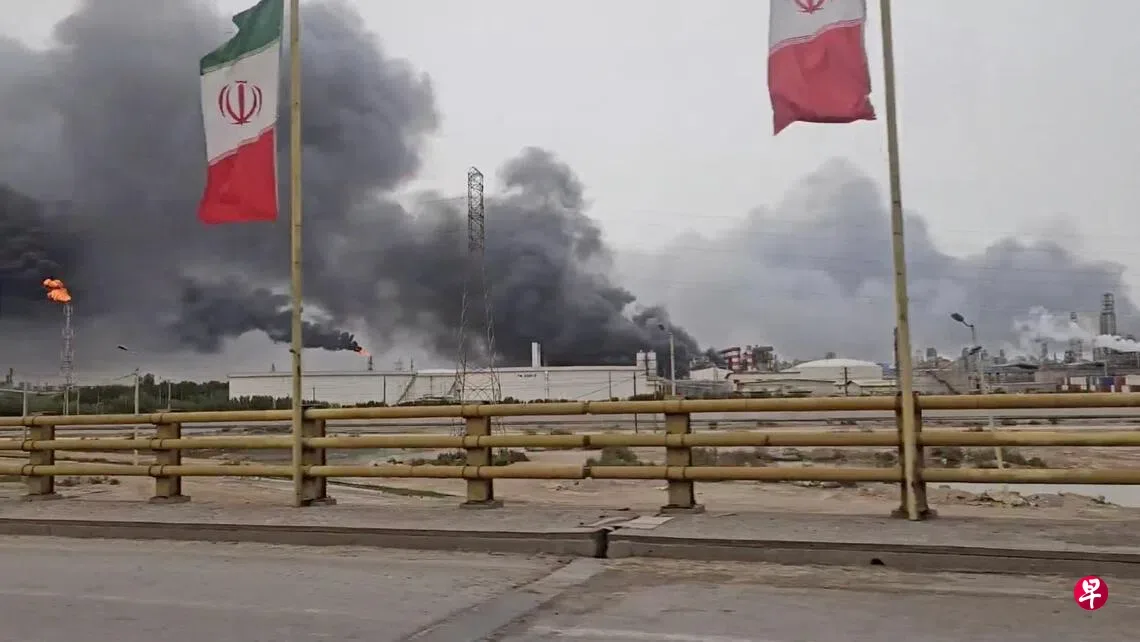
Multiple reports said the United Arab Emirates carried out covert strikes on Iran in early April, including an attack on a refinery on Lavan Island that set off a fire and knocked much of its capacity offline for months. [1, 2, 3, 4, 5, 6, 7]
The reports said Iranian fire then hit the UAE and Kuwait with missiles and drones. [1, 2, 3, 4, 5, 6, 7] They also said the UAE foreign ministry did not directly confirm the strikes, but said the country had the right to respond to hostile acts, including with military force. [1, 2, 3, 6, 7]
Reuters-linked reporting said the operation marked a shift for the UAE from a country under fire to an active belligerent in the war. [2, 3, 6] The same accounts said the UAE worked closely with Israel and the United States during the conflict. [2, 3, 6] Dina Esfandiary said, "有一个海湾阿拉伯国家直接攻击伊朗,意義重大。" [3]
The reports said Iran launched more than 2,800 missiles and drones at the UAE during the war, causing damage to aviation, tourism and property markets. [1, 2, 3, 6, 7] One set of reports put the strike on Lavan Island at the start of April, while another tied it to the period around the ceasefire announced by the United States on April 8. [1, 2, 3, 4, 6, 7] Other reporting said the attack came on April 6 and was coordinated with Israel against Iran's South Pars petrochemical facility, a claim not made in the other accounts. [8]
The UAE foreign ministry said the country has the right to retaliate against hostile acts, including militarily, but it did not directly confirm the reported strike. [1, 2, 3, 6, 7] Dina Esfandiary said Tehran will likely try to split the UAE from other Gulf states seeking to mediate an end to the war. [6] The next concrete milestone in the reporting is the ceasefire tied to April 8, which the accounts said bracketed the UAE strike. [1, 2, 3, 4, 6, 7]