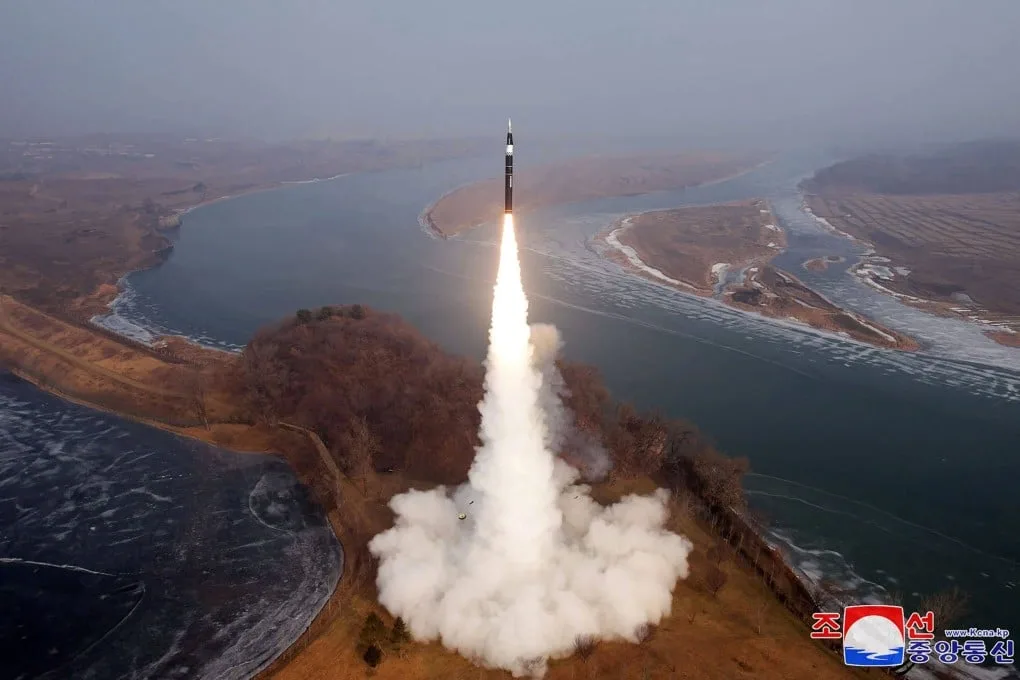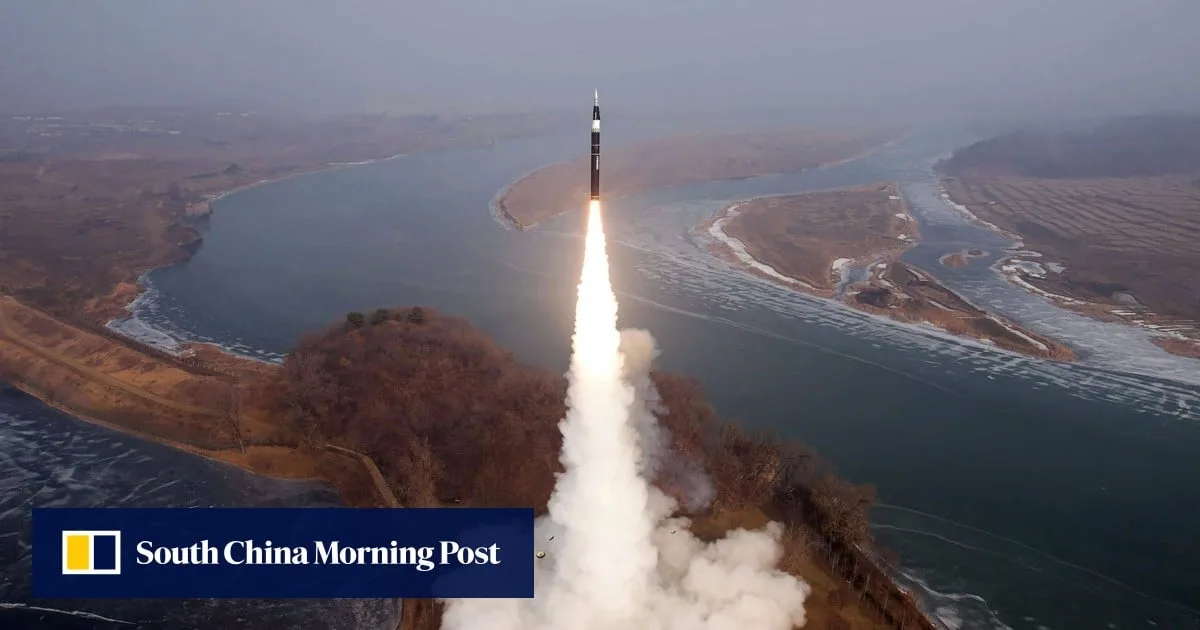
The South China Morning Post reported on Monday that Donald Trump’s so-called “destroy-and-deal” tactics might be aimed at North Korea, involving military pressure designed to force negotiations without risking American ground troops [1]. The strategy emphasizes drone strikes to bomb adversary targets while avoiding US casualties [1].
A Korean-American leader cited by the report said that Trump’s approach was shaped by influence from “new neocons” and recommended that Seoul focus more on risk management than purely diplomatic engagement [1]. The strategy is portrayed as a shift from traditional diplomacy toward a more militaristic pressure campaign.
On Saturday, former Fox News host Tucker Carlson sharply broke from Trump in an interview with the Wall Street Journal, calling him a “slave” to hawkish interventionists eager to use military force [1]. Carlson criticized Trump’s alignment with these groups despite his prior anti-intervention stance.
The article explained that strategic lobbyists helped persuade Trump to adopt this approach by reframing military action as consistent with his “America first” agenda [1]. The intent was to make aggressive posturing palatable politically while keeping the US military footprint limited.
This “destroy-and-deal” strategy centers on the use of drone warfare to weaken opponents without committing ground forces, which reportedly serves to push adversaries toward negotiation tables while minimizing American casualties [1]. The report did not indicate any confirmed plans for this strategy’s application but suggested it could be directed at Pyongyang.
The development comes amid rising tensions on the Korean Peninsula, with South Korea urged to balance diplomat and risk mitigation strategies. Analysts and regional leaders will likely closely monitor how this approach evolves and its effect on North Korean relations.