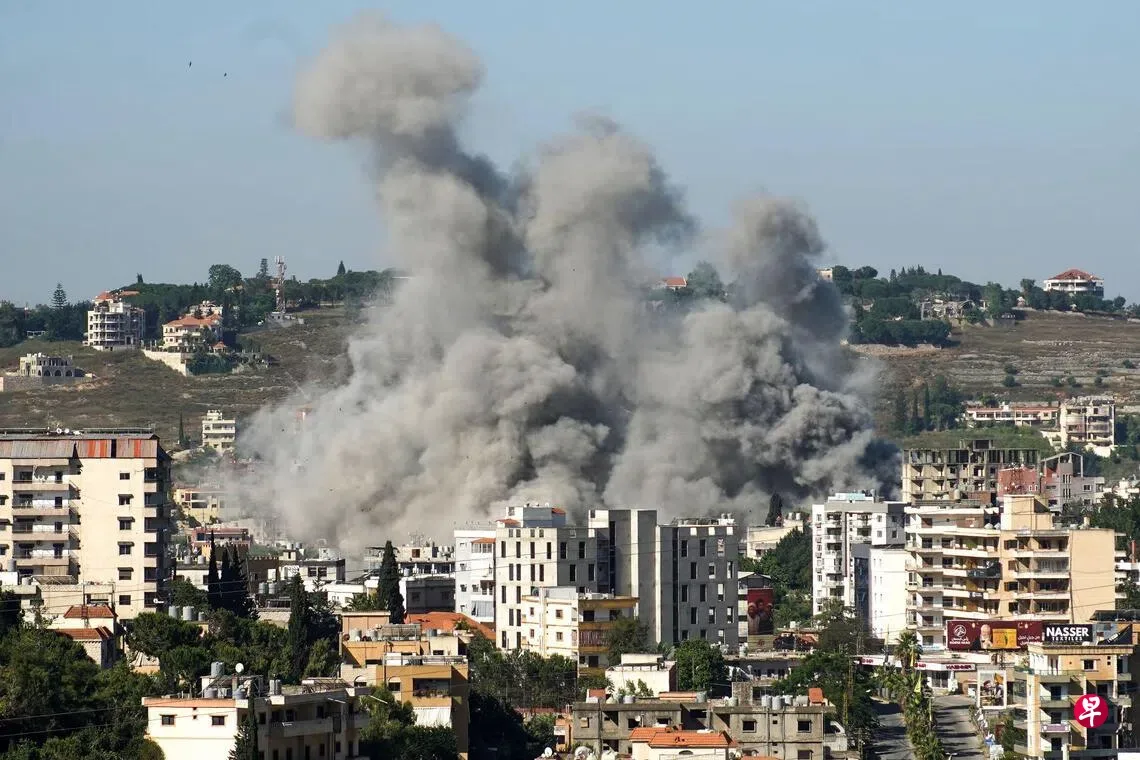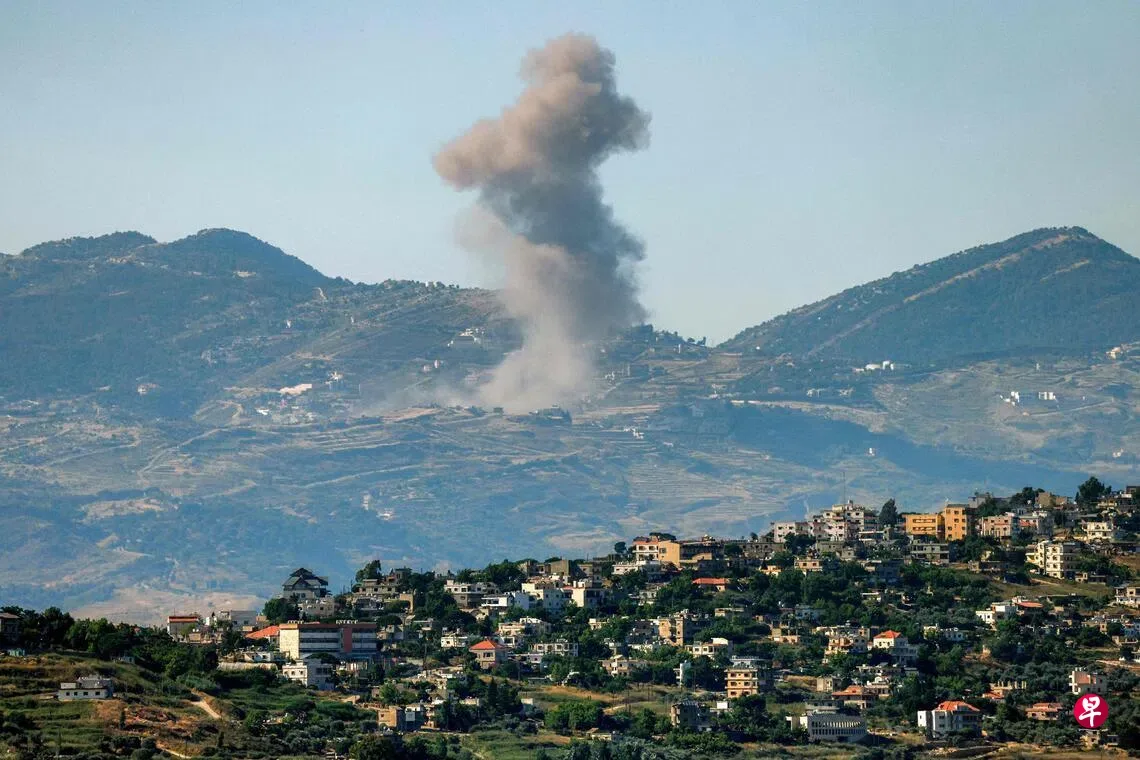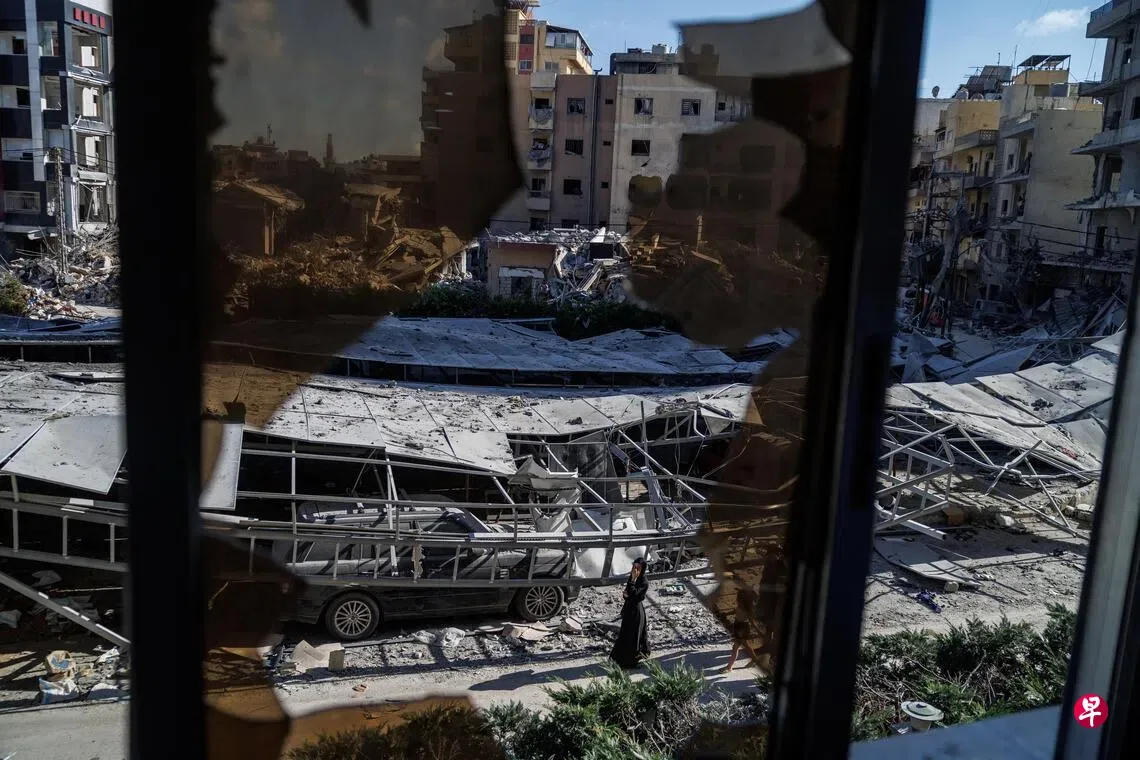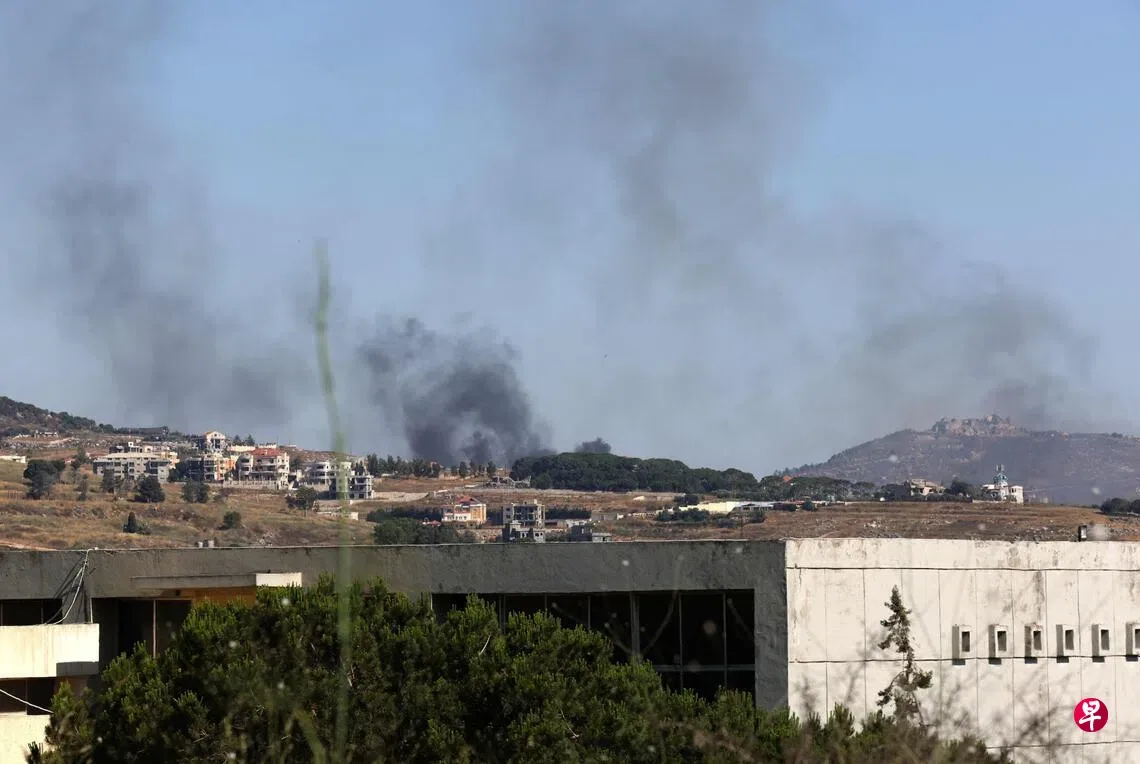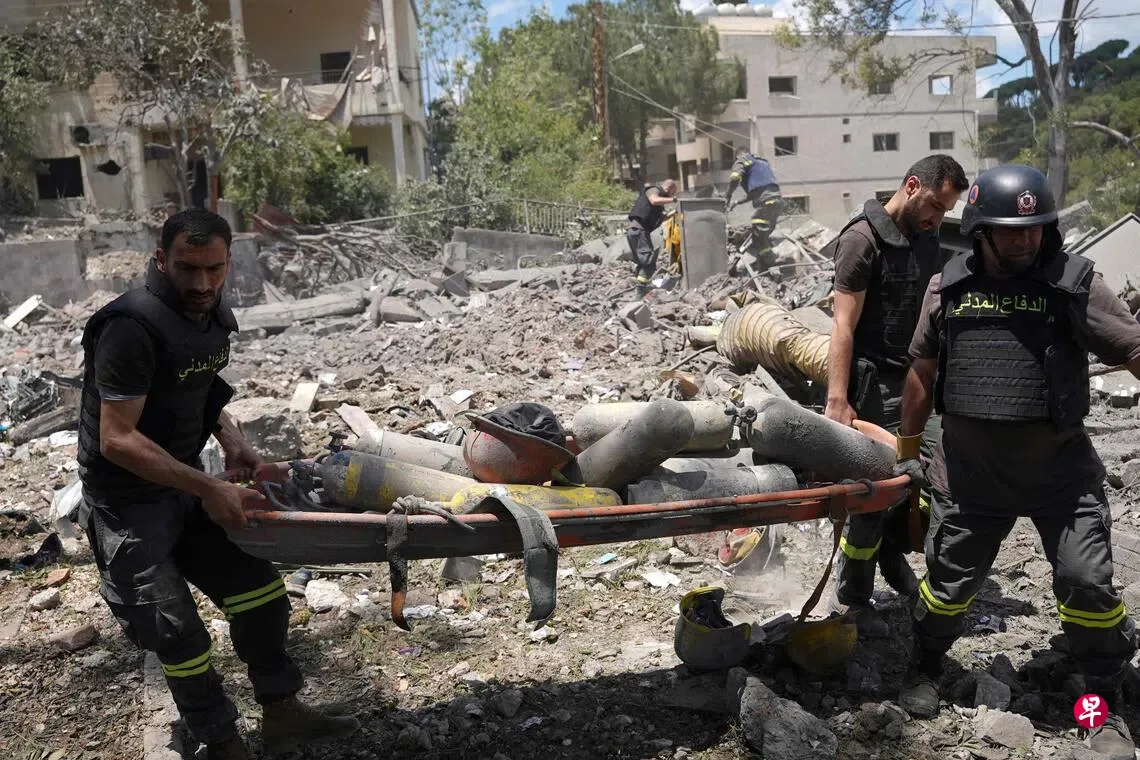
Israel launched repeated airstrikes and drone attacks across southern Lebanon from June 17 through June 20, hitting areas including Nabatieh, Kafartubnit, Ansariyeh, Zaharan, and Tyre, causing significant destruction and multiple fatalities [1, 2, 3, 4, 5, 6]. The Israeli military said these strikes targeted Hezbollah militants and infrastructure in retaliation for repeated ceasefire violations by the group [2, 3, 7, 6].
Lebanese state media reported at least 16 deaths from the airstrikes on June 19 alone, while further raids on June 20 killed between five and seven people, including women and children [2, 3, 4, 5]. Four Israeli soldiers, including a colonel, were killed during fighting in southern Lebanon around June 18, marking the first notable Israeli military casualties since the US-Iran peace memorandum was signed earlier in June [8, 7, 9, 10].
Israeli Prime Minister Netanyahu said the military struck 150 Hezbollah targets since midnight, killing dozens of militants [7]. An Israeli military spokesperson added that Israel would continue responding to Hezbollah ceasefire violations to prevent the group from rebuilding military capabilities or threatening Israeli civilians [7].
A ceasefire between Israel and Hezbollah was agreed on June 19 at 4 p.m. local time, brokered by the US and Qatar, but reports indicated Israeli strikes continued in some areas soon after the agreement [11, 7, 5]. The US-Iran follow-up peace talks planned for June 19 in Switzerland were postponed due to the Israeli attacks in southern Lebanon [11, 5].
Iran’s military condemned the Israeli strikes as a violation of the ceasefire agreement at least 84 times. The Khatam Al-Anbiya Central Headquarters warned Israel that its "child-killing army" would face a severe military response if it did not stop invading southern Lebanon [1, 9].
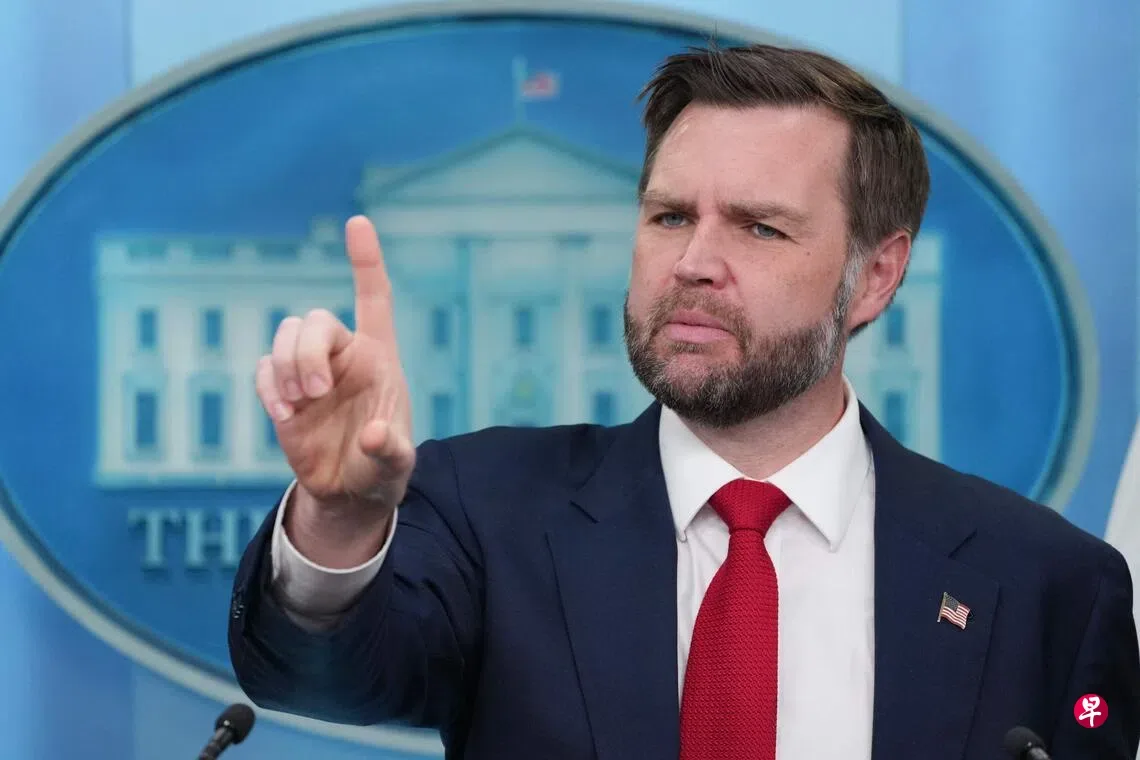
US President Donald Trump criticized Israel’s military tactics during the G7 summit from June 16-18. He called for less destructive actions, saying, "Too many have been killed; there is no need to destroy entire apartment buildings to capture Hezbollah militants" [1]. French Foreign Minister Barro urged Israel to halt hostile actions in Lebanon and pressed the US to pressure Israel, announcing plans to organize an international meeting to support the Lebanese army [3].
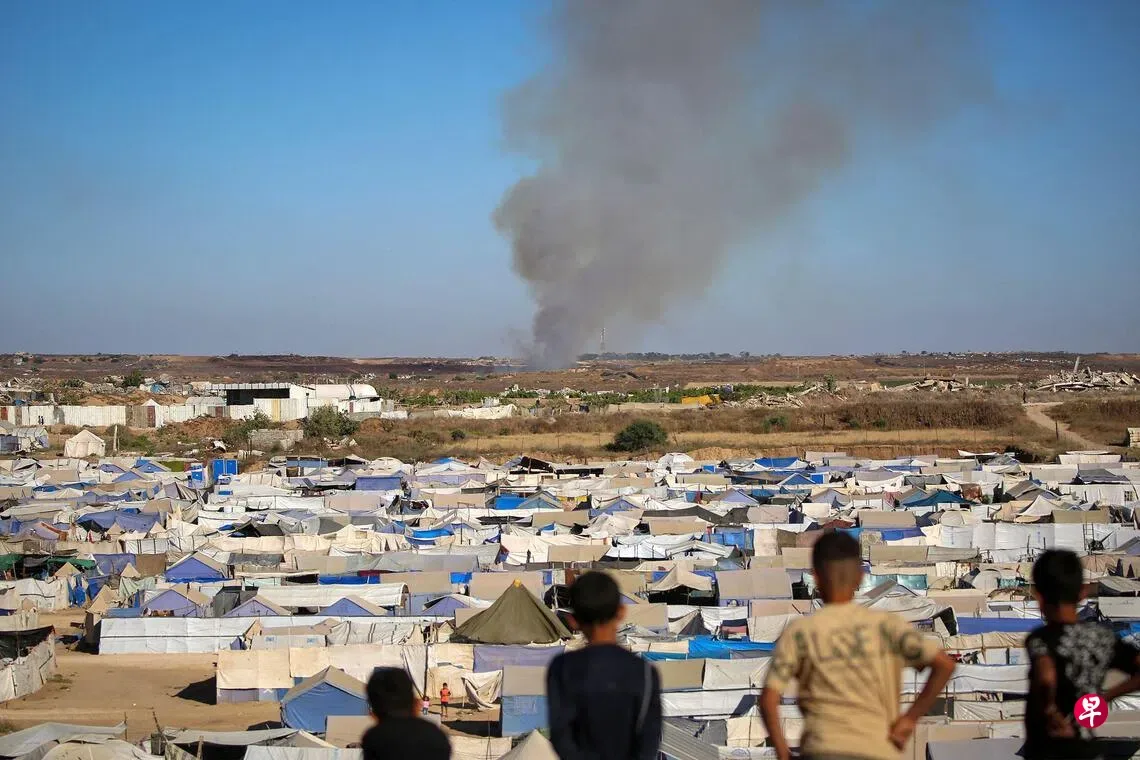
Beyond Lebanon, Israel intensified airstrikes in the Gaza Strip on June 20, killing at least nine Palestinians, including an Al Jazeera journalist, further raising tensions across the region [12].
The ceasefire agreement and US-Qatar mediation represent the most recent efforts to halt violence. However, Israeli strikes persisted shortly after the truce was signed, maintaining a tense security environment.