Israel and Hezbollah agreed to a ceasefire beginning at 4 p.m. local time on June 19, ending intense clashes in southern Lebanon, officials said [1, 2, 3, 4, 5, 6]. The ceasefire was brokered by US and Qatari negotiators with Iranian involvement as part of a wider interim peace deal between the US and Iran signed two days earlier on June 17 [7, 8, 5].
Before the ceasefire, Israeli airstrikes killed between 16 and 47 people in Lebanon, with estimates varying by source, while Hezbollah killed four Israeli soldiers in retaliatory attacks [1, 3, 4, 5]. Israeli military spokesman said the military would "continue to remove immediate threats" from Hezbollah despite the ceasefire, citing ongoing violations by the group [1]. Hezbollah's deputy leader Sheikh Naim Qassem declared, "The project to eliminate Hezbollah has failed," signaling their resilience [1].
Far-right Israeli National Security Minister Itamar Ben Gvir released a harsh statement after the soldier deaths, declaring, "Lebanon must burn... For every tear shed by an Israeli mother, 1,000 Lebanese mothers must weep," reflecting pressure within Israel to maintain strong operations against Hezbollah [1].
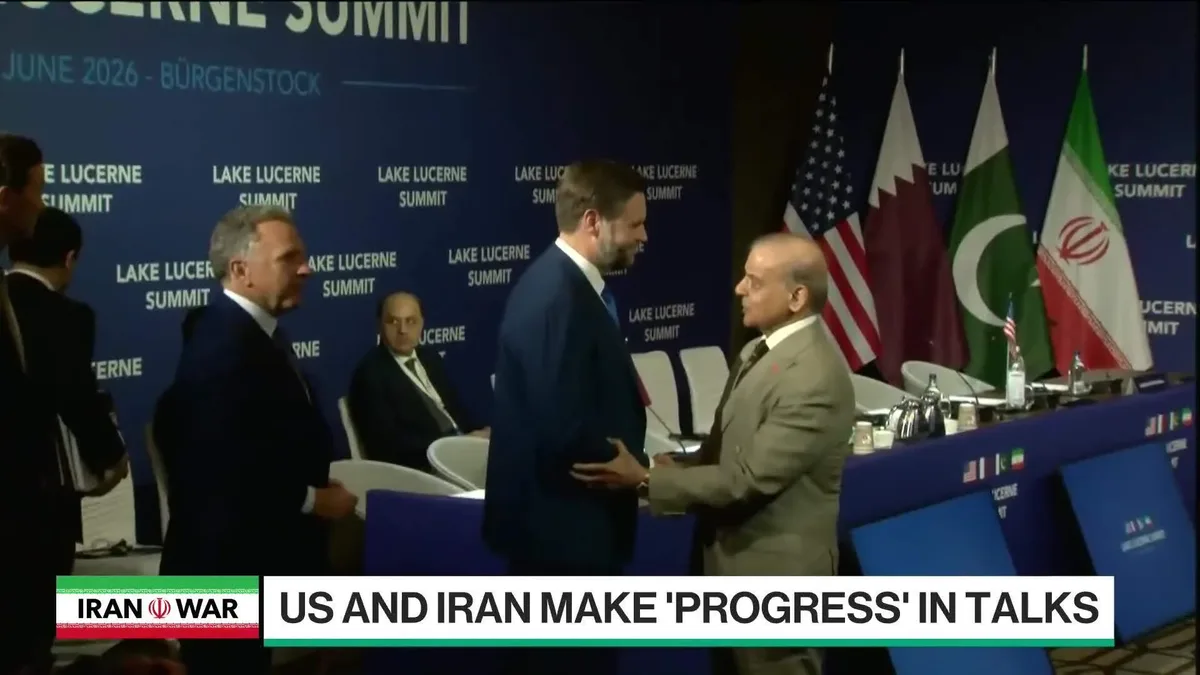
The ceasefire coincided with the start of direct US-Iran peace talks on June 19, aimed at finalizing a comprehensive agreement within 60 days [9, 8, 10, 11]. A scheduled US-Iran meeting in Switzerland on June 19 was postponed due to violence in Lebanon [5, 6]. Meanwhile, Iran’s Foreign Minister Abbas Araghchi warned that any breach of the ceasefire "will be attributed to the US," accusing Israel of seeking permanent war [1, 5].
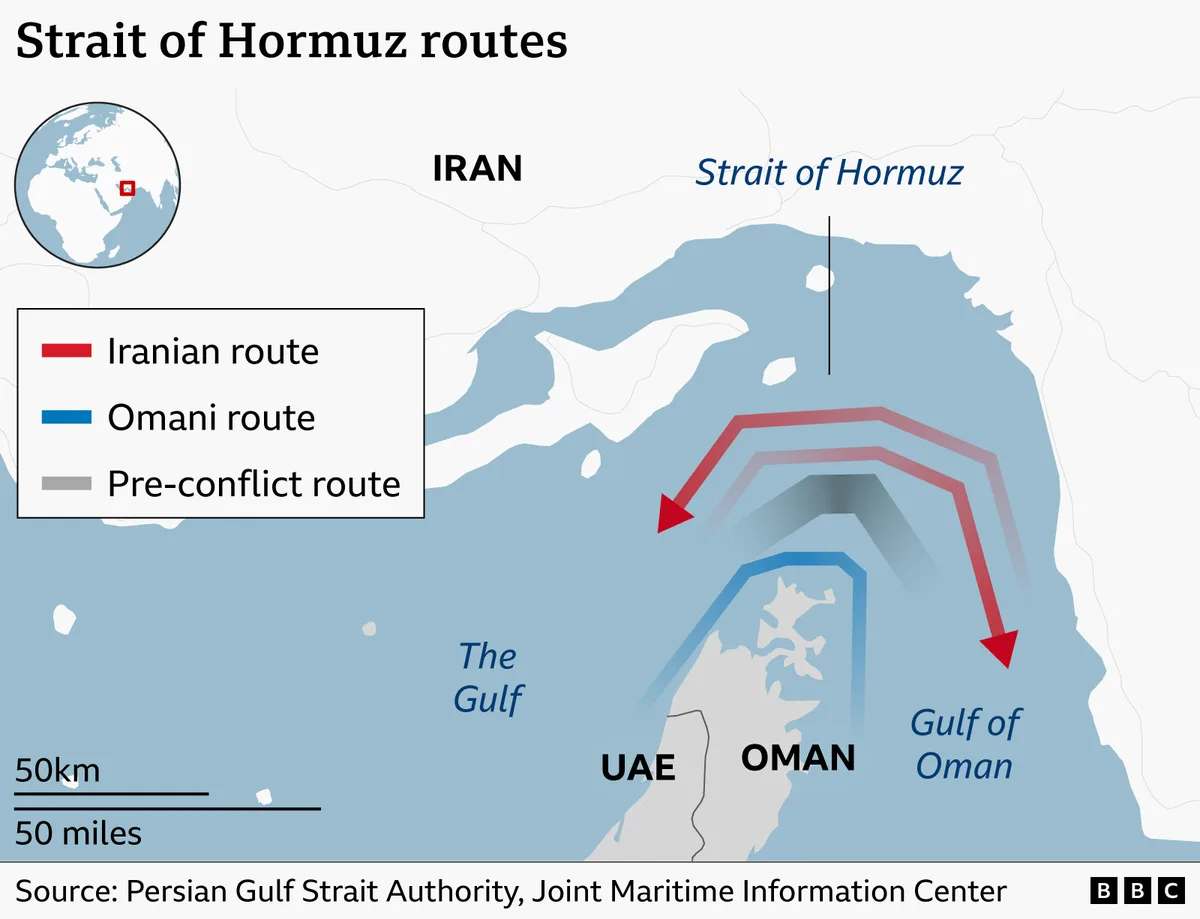
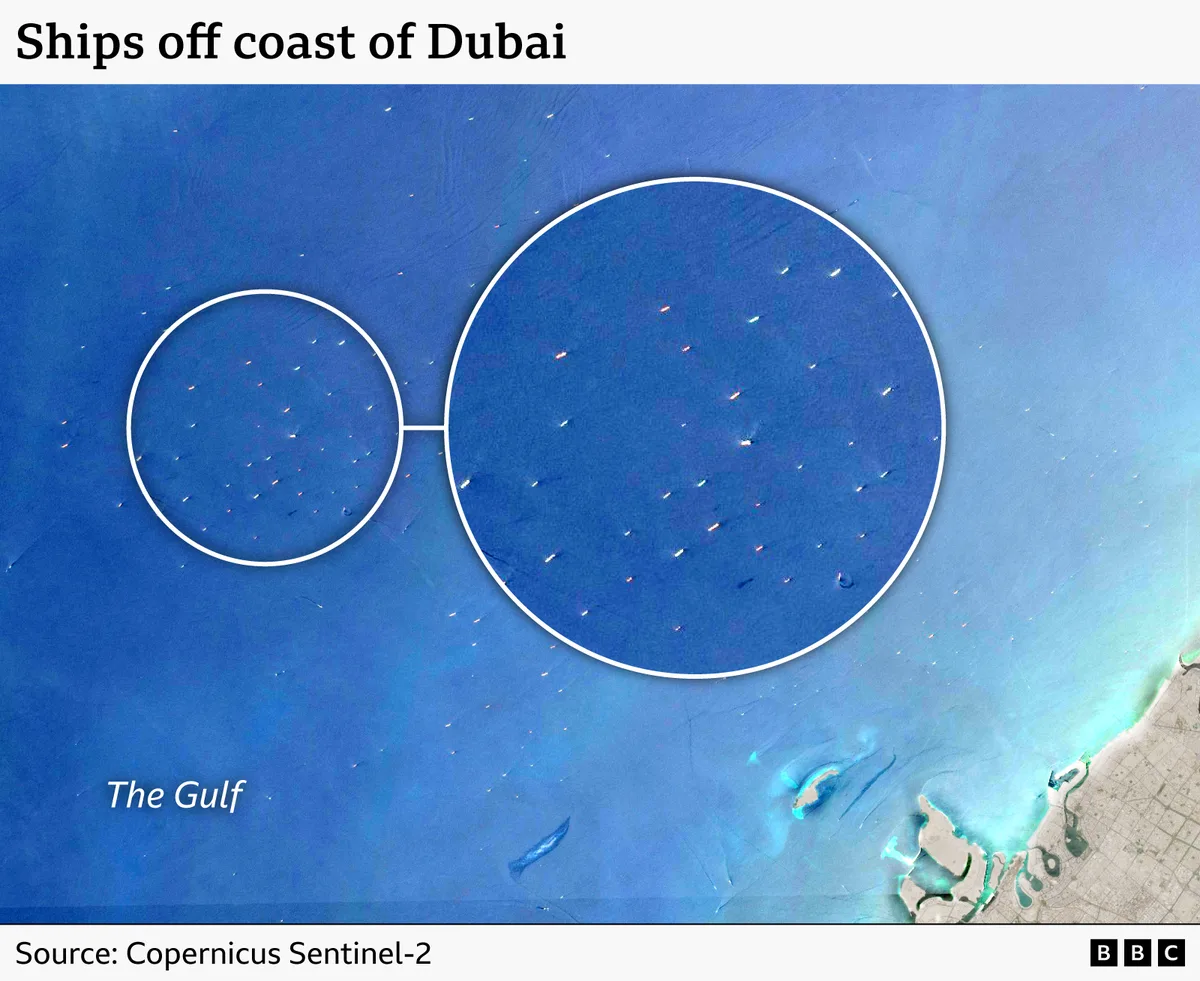
The interim US-Iran deal includes the reopening of the Strait of Hormuz, which remained open with at least 172 vessels passing since June 18, though shipping volumes remain below pre-conflict averages [12]. The US Treasury eased sanctions allowing Iranian crude sales until August 21, leading to increased Iranian tanker movements through the Gulf [12]. The agreement involves $300 billion in reconstruction funds for Iran and the termination of all US sanctions on the country [8].
Between June 20 and 22, US and Iranian delegations met in Switzerland and made encouraging progress in technical talks related to the peace deal [9, 10, 11]. The ceasefire remains in effect as the US-Iran negotiations continue toward a final settlement expected within 60 days of June 19 [8, 5, 6].