The US House passed a three-year extension of Section 702 of the Foreign Intelligence Surveillance Act (FISA) on April 29 after weeks of negotiations within the GOP [1]. The bipartisan vote was 235-191 in favor of the bill [1]. The legislation includes a ban on a central bank digital currency (CBDC), a provision added by House GOP leaders to win support from conservative holdouts [1].
Section 702 was set to expire at midnight on April 30, raising the risk of a lapse in surveillance authority if Congress failed to act [1]. Earlier in April, the House had approved a short-term extension after some Republicans blocked five-year and 18-month renewal efforts [1].
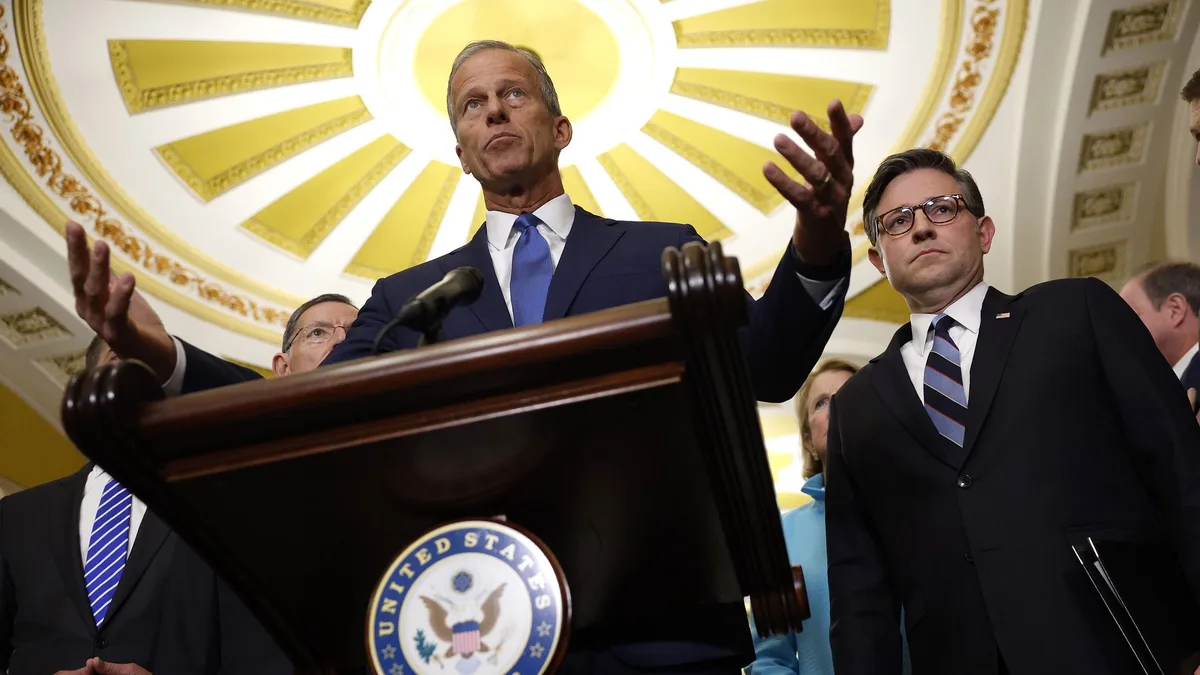
Despite the House passage, the bill faces strong opposition in the Senate. Lawmakers from both parties oppose the CBDC ban, which Senate Majority Leader John Thune described as a "poison pill" [1]. Senate leaders plan to attempt passage of their own extension without the CBDC restriction before sending it back to the House [1].
The House vote marked the latest effort to avoid a gap in surveillance powers under FISA, as the bipartisan majority prioritized a longer renewal over the potential backlash from the Senate [1]. The debate highlights divisions within Congress over digital currency policy and national security surveillance.
Senate leaders now aim to draft a separate bill to extend the warrantless surveillance program, expected to return to the House for final approval [1]. Lawmakers have until the current authorization’s April 30 deadline to pass a final measure.
The House passage of the three-year FISA extension with a CBDC ban sets up a likely legislative standoff as lawmakers try to reconcile the competing priorities amid tight deadlines.