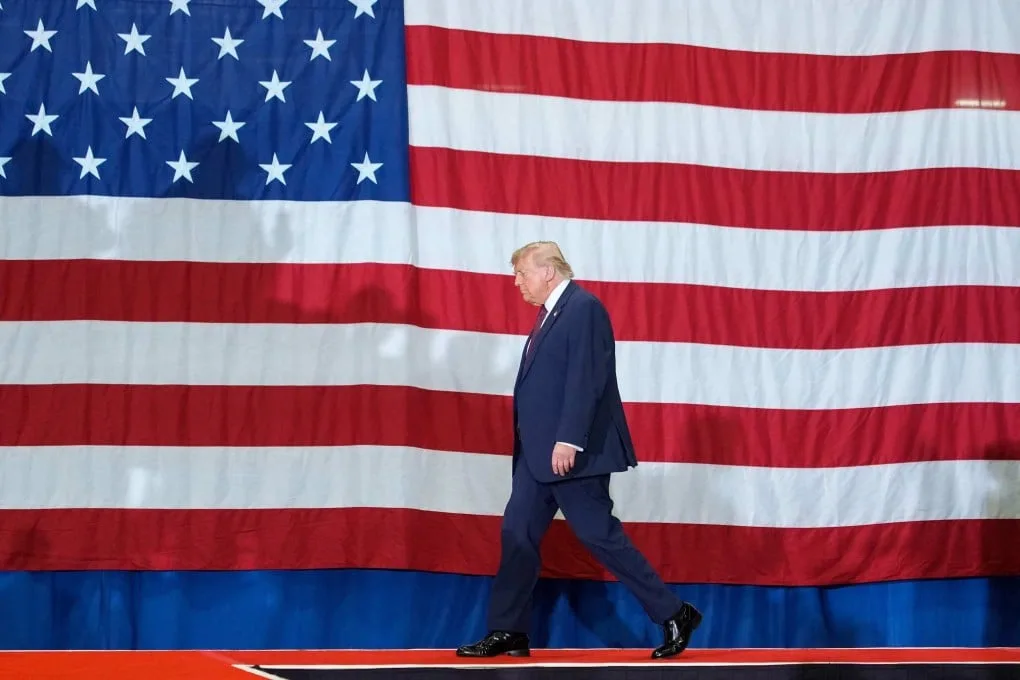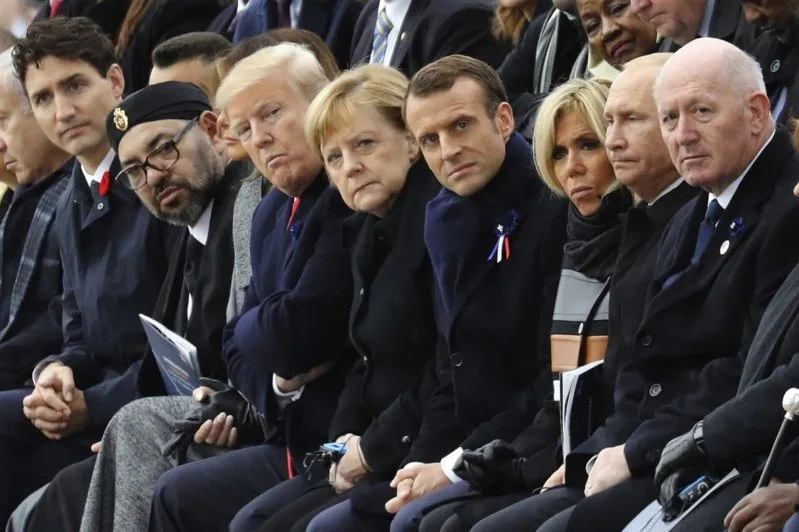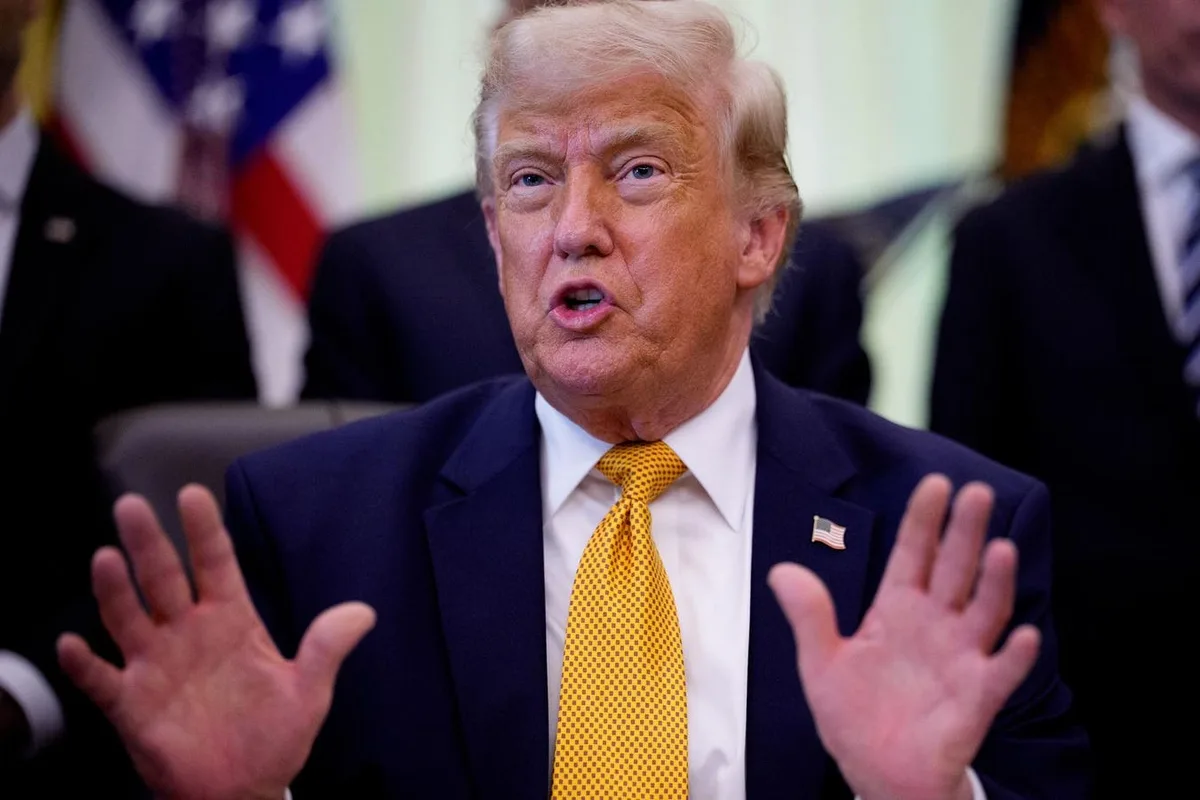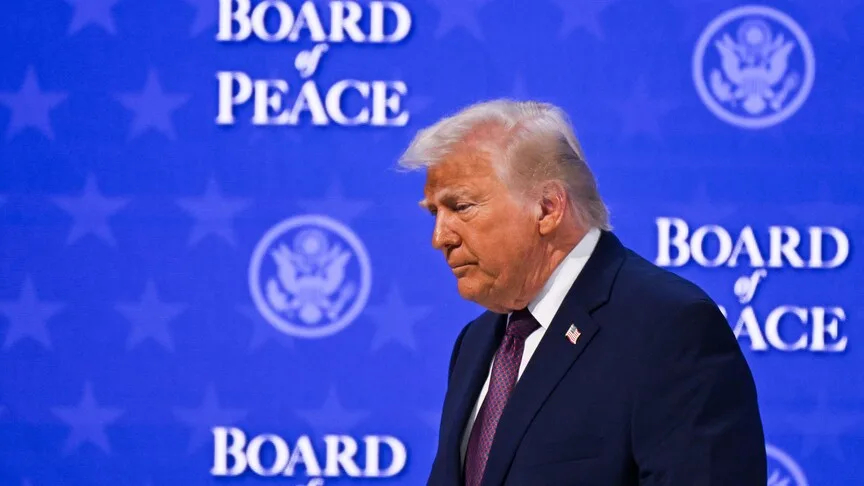
A Pew Research Center poll conducted from February 8 to May 13, 2026, found that just 23% of respondents across 36 countries have confidence in Donald Trump's leadership on global issues, while about 76% to 77% expressed a lack of confidence [1, 2, 3, 4, 5, 6]. The survey covered 42,151 adults amid ongoing conflicts involving the US, Israel, and Iran [2, 3].
Favorable opinions of the US stood at 37%, with 57% holding unfavorable views. Half of the respondents described the US as an unreliable partner, compared to 47% who considered it reliable. Only around 32% believe the US takes other countries' interests into account, while 66% disagreed [1, 2, 3, 4, 5, 6].
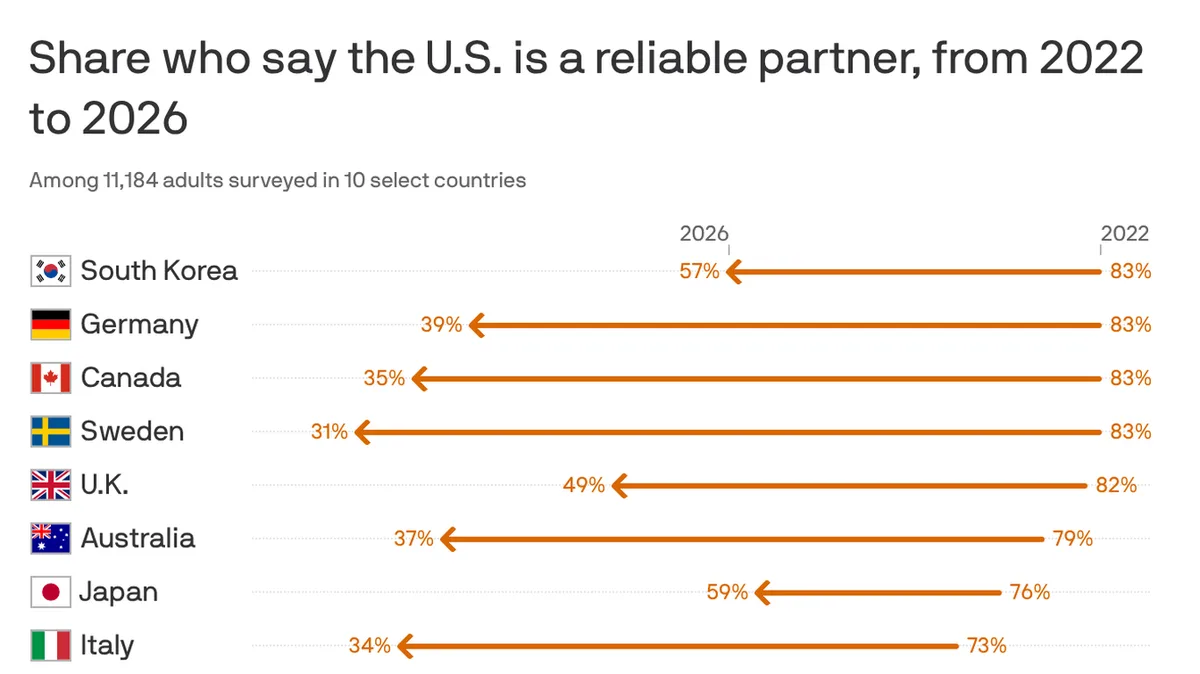
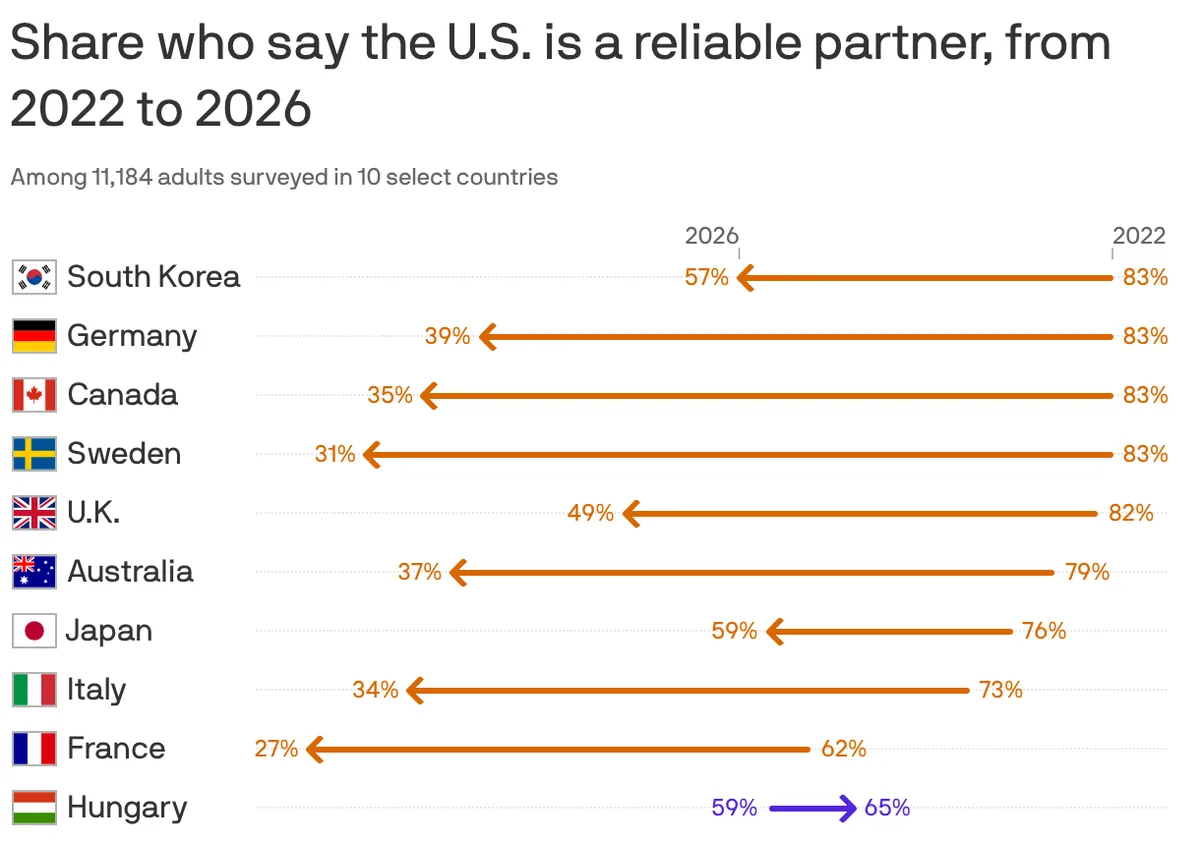
The decline in global trust is stark, with confidence in Trump falling in 16 of 24 countries where trend data is available; no country showed improvement [1, 6]. Ratings of US reliability notably dropped in Canada, Sweden, Germany, the Netherlands, France, Spain, Italy, the UK, and Japan compared to 2022 data from the Biden administration [2, 3, 4, 5, 6]. Canada's rating plunged from about 83% in 2022 to 35% in 2026, while Sweden saw a 52 percentage point fall [2, 3, 4, 5, 6]. Hungary was the only country where US reliability perception improved, rising from 59% to 65% [2, 3, 5].
No surveyed country has a majority expressing confidence in Trump's handling of key international challenges including Iran, Gaza, Ukraine, immigration, tariffs, or humanitarian aid [2, 3]. Experts attribute growing doubts about US reliability to Trump's foreign policy moves such as withdrawing from UN commitments and threatening NATO withdrawal, which have unsettled global partners [5].
Richard Wike of Pew Research Center said, "去年川普上任後,我們確實看到了一些重大轉變;今年的數據則顯示,大多數國家對美國看法的轉變進一步加劇" ("After Trump took office last year, we saw some major shifts; this year's data shows attitudes toward the US have further worsened in most countries") [2].
Pew Research Center published the full poll results on June 23, 2026, providing a detailed snapshot of shifting global sentiment during a period of conflict and geopolitical strain [1, 2, 3, 4, 5, 6].