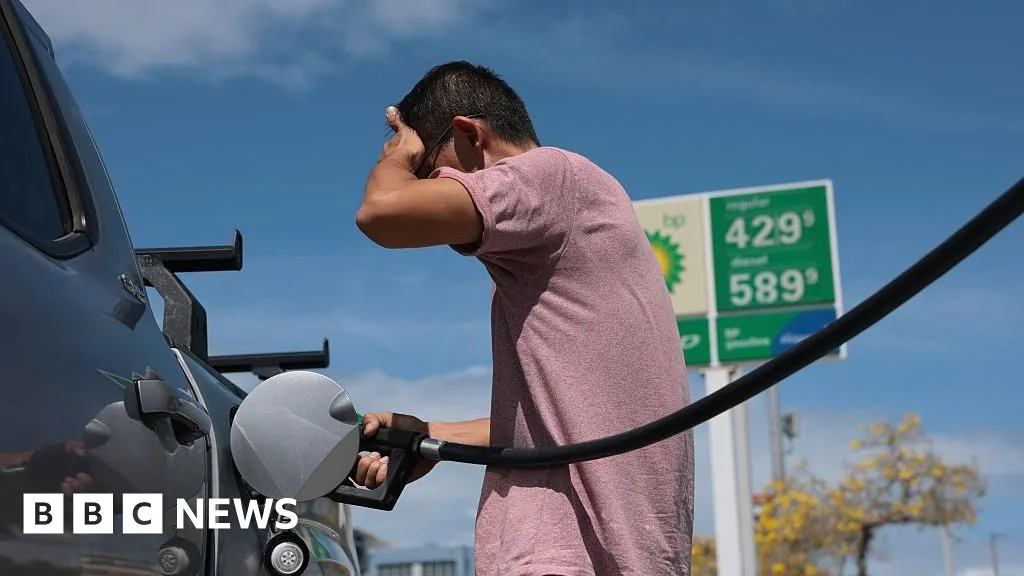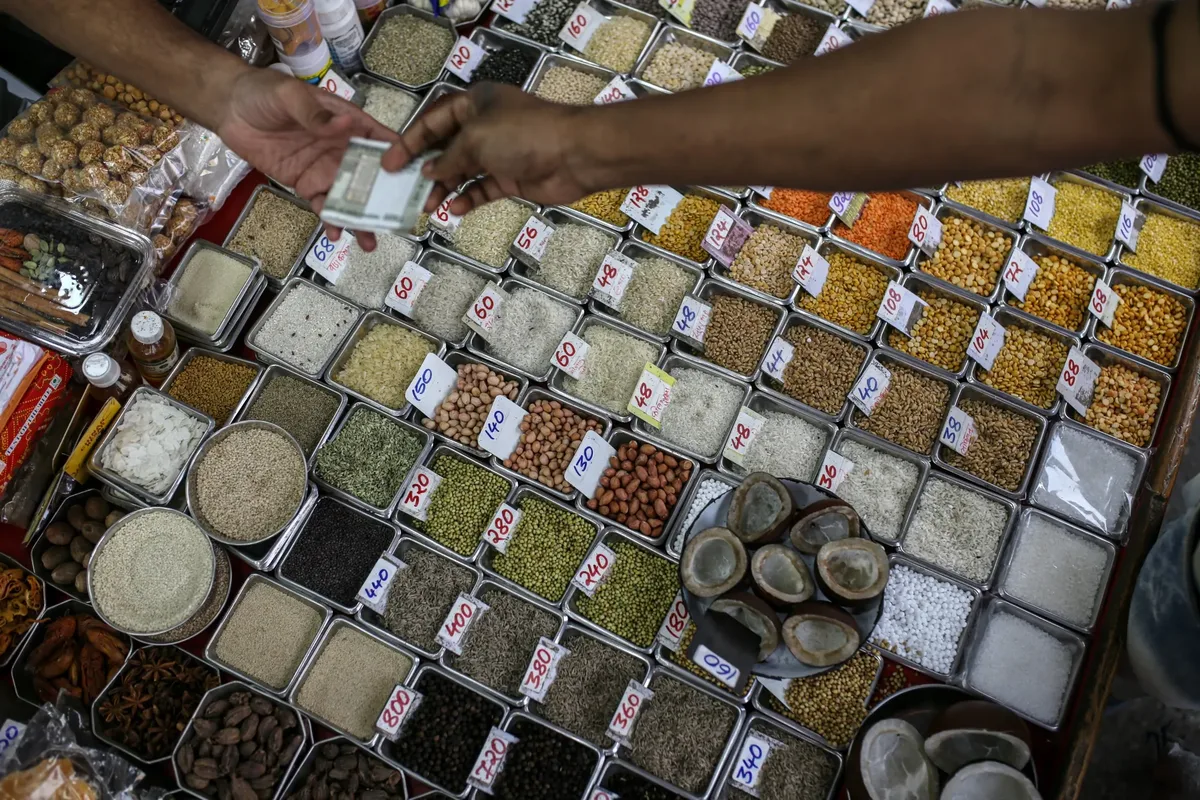
The US Consumer Price Index (CPI) rose 3.8% year-on-year in April 2026, marking the fastest inflation increase since May 2023 and driven mainly by higher energy prices [1, 2, 3, 4]. Gasoline prices surged 28.4% year-on-year, with the national average reaching $4.50 per gallon, the highest level since July 2022 [1, 5, 3, 4, 6]. The ongoing US-Israel conflict involving Iran has caused effective closure of the Strait of Hormuz, a key oil transit route, disrupting global energy supplies and pushing prices higher [1, 3, 4, 7].
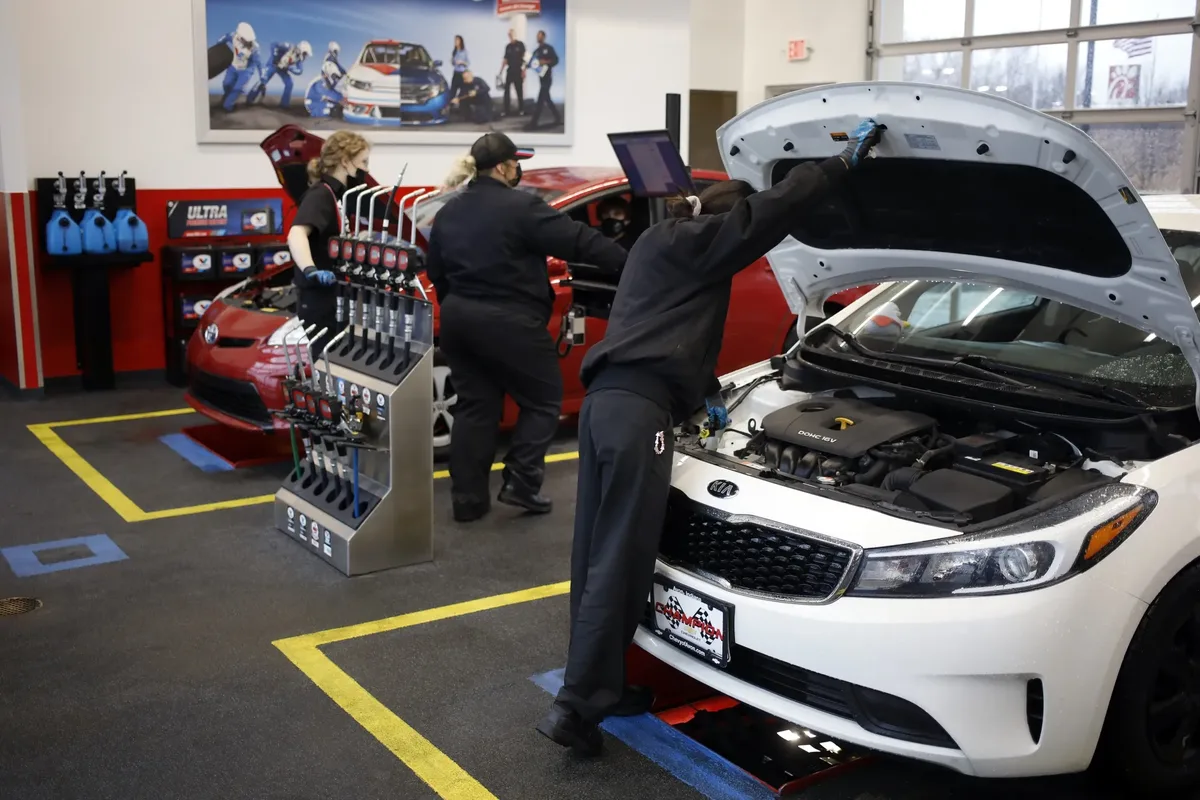
Excluding food and energy, core CPI increased 2.8% year-on-year in April, slightly up from 2.6% in March, indicating broadening inflation pressures [2, 3, 4]. The Producer Price Index (PPI), which tracks wholesale inflation, jumped 1.4% month-on-month — the largest increase since early 2022 — and rose 6.0% on an annual basis due to energy and supply chain issues [7]. Rising energy costs also affected automotive maintenance and industrial lubricants, adding to consumer expenses [5].
The inflation rise is causing political strain for President Donald Trump and Republicans ahead of the November 2026 midterm elections, as consumers face higher costs of living [1, 2, 3]. Despite inflation pressures, the Federal Reserve is expected to hold interest rates steady through 2027, with markets pricing in no rate cuts this year [1, 2].
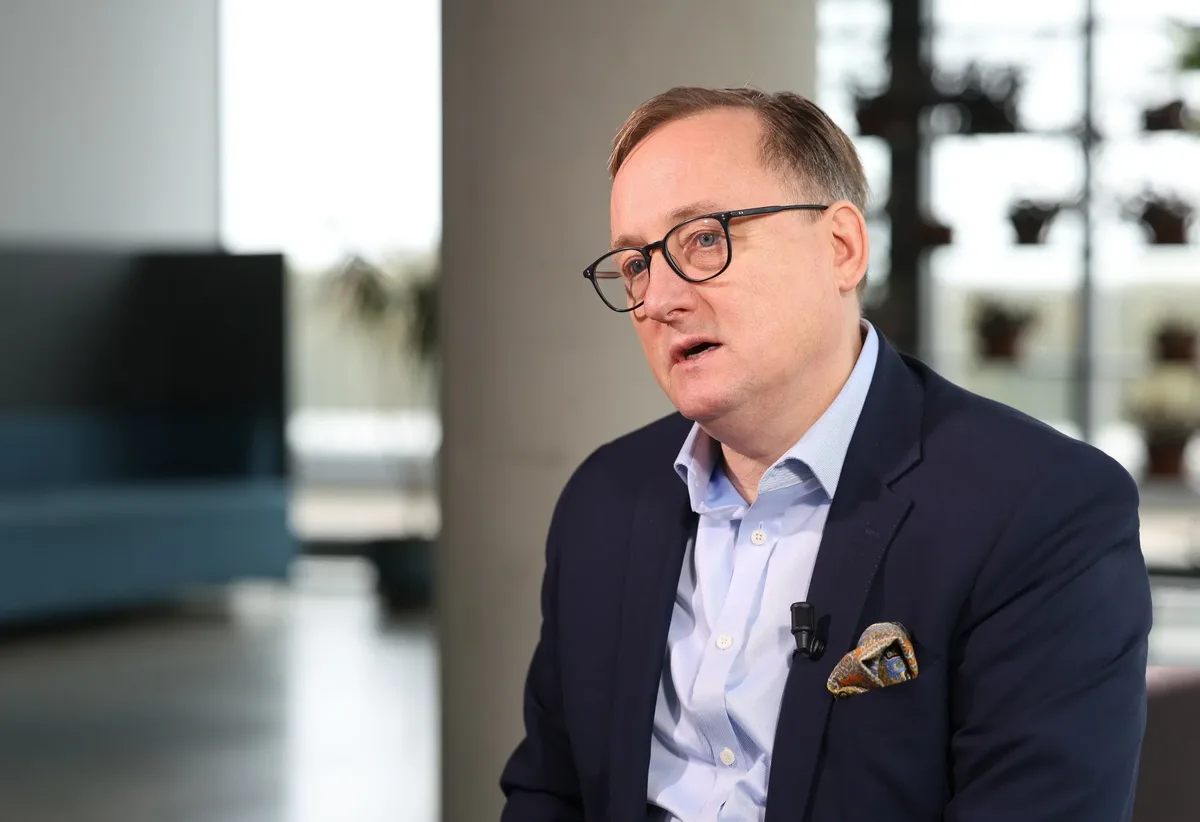
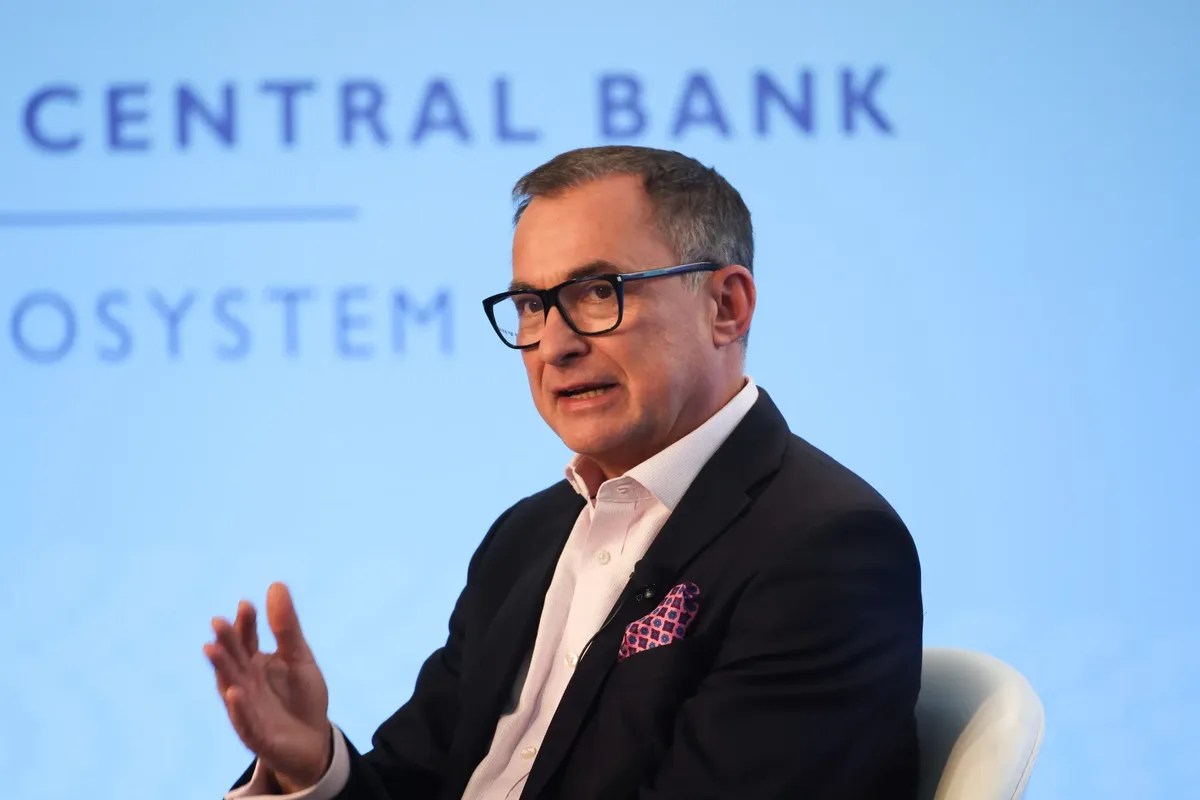
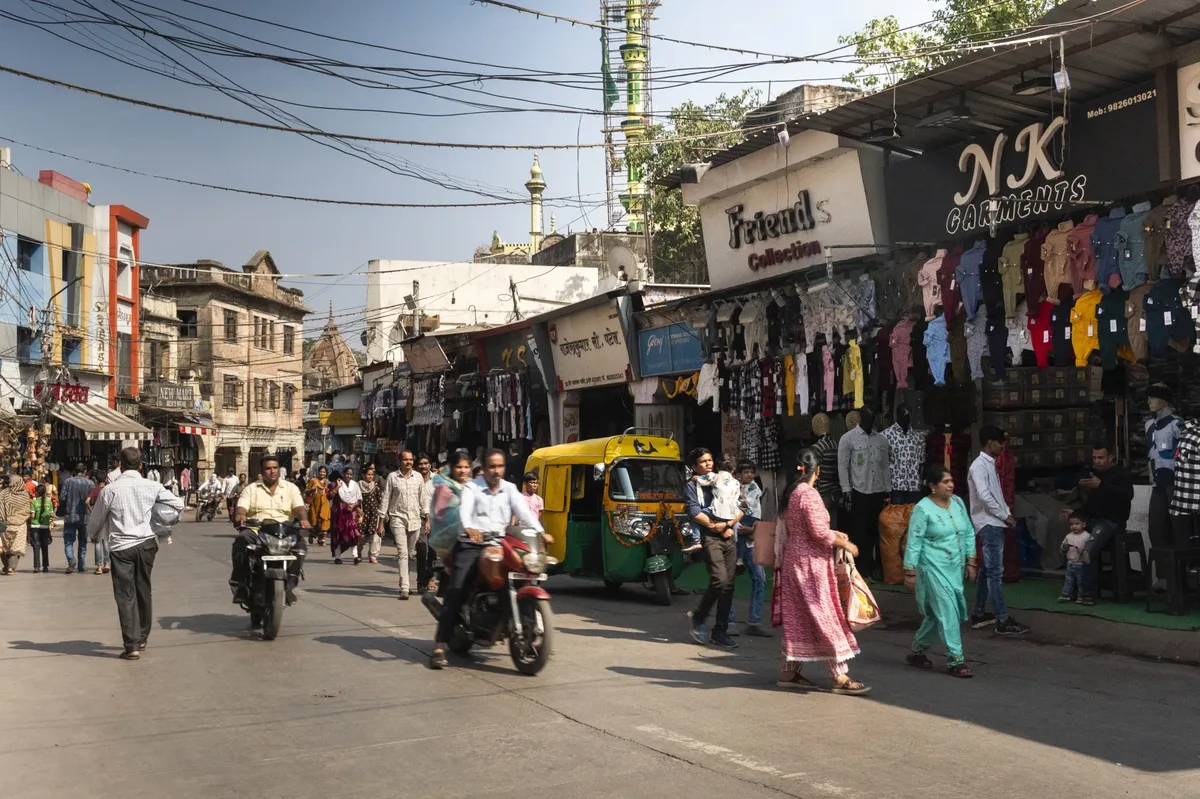
Across the globe, inflation risks are growing. India's factory-gate inflation accelerated to 8.3% year-on-year in April, its highest in over three years, largely fueled by rising energy prices [8]. In Europe, European Central Bank (ECB) officials warned of stagflation risks amid the Iran war and soaring energy costs. ECB Governing Council member Olli Rehn noted slowing growth and accelerating inflation in the euro area, while Martins Kazaks said the ECB could hike rates if oil prices cause inflation expectations to de-anchor [9, 10, 11]. Rehn said, "The first signs were already visible in the statistics, when growth in the euro area in the first quarter was only slightly positive and inflation accelerated to 3%." Kazaks added, "Oil prices are higher, we see that it’s gradually starting to push inflation up, and if inflation expectations start to deteriorate, then the ECB will be forced to raise interest rates."
The Bank of Japan, which voted 6-3 on April 28 to keep rates unchanged, indicated a possible interest rate increase in June due to inflation risks from the Middle East conflict. A BOJ board member said, "It is quite possible that the bank will raise the policy interest rate from the next monetary policy meeting onward, even if the future course of the situation in the Middle East remains unclear." [12]
US real estate investment trusts reported mixed first-quarter earnings impacted by inflation and geopolitical uncertainty [6]. Boston College economics professor Brian Bethune described consumer sentiment, saying, "People are now realising that the pitch they got about lowering the cost of goods and services is a fairy tale. They were basically treading water with their nose just above the surface, now they are being pulled down below the surface. There is no air to breathe." [2]
The US Bureau of Labor Statistics released the April inflation data on May 12, confirming the sharp rise [1, 2, 3, 4, 6]. ECB warnings on stagflation risks and PPI data followed on May 13 [10, 7], while Kazaks’ comments came on May 14 [11]. The next key economic event will be the Bank of Japan's June monetary policy meeting where a potential rate hike may be announced [12].