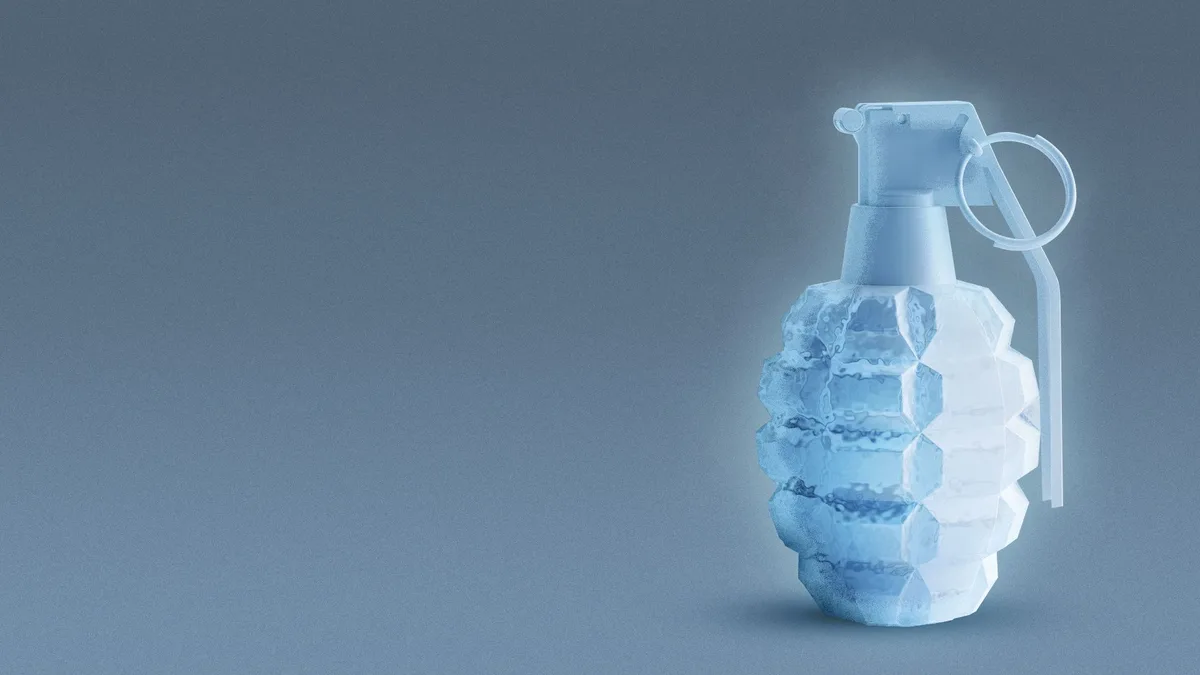
Axios reported on April 28 that the U.S.-Iran conflict has settled into a Cold War-like stalemate, with sanctions, interdictions and talks about talks leaving both sides stuck [1]. Several U.S. officials told Axios they fear Washington could be pulled into a frozen conflict with no war and no deal [1].
In the scenario described by Axios, U.S. forces would stay in the region for many more months, while the Strait of Hormuz would remain closed under a U.S. blockade [1]. The report said Trump is weighing fresh military strikes against continued maximum-pressure sanctions as he seeks to push Iran toward negotiations over its nuclear weapons program [1]. Some Trump advisers want to keep the blockade in place and add more sanctions before any return to bombing [1].
On Monday, Fox News aired an interview in which Marco Rubio said sanctions on Iran were already severe and could be intensified. "The level of sanctions on Iran are extraordinary, the pressure on Iran is extraordinary, and I think more can be brought to bear," he said [1]. Rubio also urged other countries to join U.S. pressure, saying, "I hope the rest of the world will join us in the crippling sanctions and other things that we are doing to pressure that regime into making concessions it does not want to make," Axios reported [1].
Trump is also consulting outside hawks, including Marc Thiessen, Jack Keane and Lindsey Graham, who are advising him to use military force to break the deadlock [1]. Trump was quoted by Axios as saying, "All [Iran's leaders] understand is bombs" [1]. An adviser told the outlet the president was "frustrated but realistic" [1].
Graham posted on Monday in support of Trump, telling him: "Mr. President, stick to your guns for the good of the nation and the world. The Iranian regime and their behavior is the problem, not you," Axios reported [1]. With about 6 months left before the November midterm elections, the report said the White House is still weighing whether to escalate militarily or extend sanctions pressure [1].