At least six Americans have been exposed to Ebola during the outbreak in the Democratic Republic of Congo (DR Congo), officials said on May 18, 2026 [1, 2, 3, 4, 5]. One American tested positive for Ebola after exposure in DR Congo and developed symptoms over the weekend prior to May 18 [2, 6, 5, 7]. The symptomatic patient is being evacuated to Germany for treatment, joined by six other Americans identified as high-risk contacts [2, 6, 7].
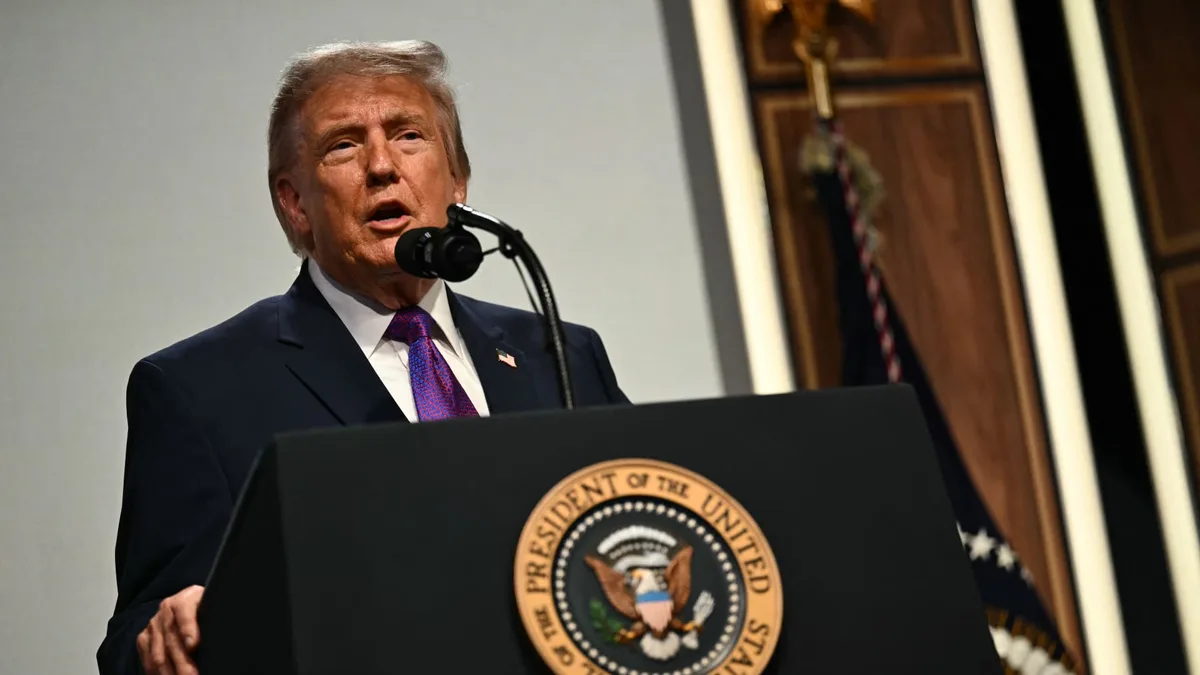
The symptomatic American has been identified in some reports as Dr. Peter Stafford, a medical missionary treating patients in DR Congo, though this has not been independently confirmed [2, 7]. Heidi Overton, a White House official, said the group "are going to be taken out of that region and taken to Germany," noting the country's role as "an internationally recognized location for viral hemorrhagic fever treatments" [7].
Three of the Americans had high-risk contact or exposure; some are quarantining even without symptoms [1, 2, 5, 7]. The US Centers for Disease Control and Prevention (CDC) announced it is supporting the safe withdrawal and evacuation of Americans affected by the outbreak [1, 5]. The CDC invoked Title 42 travel restrictions to block foreign travelers who visited affected countries in the last 21 days from entering the United States [2, 7], and it issued a Level Four travel advisory warning against travel to DR Congo [1, 3]. CDC officials said the risk of Ebola spreading to the US remains low despite the exposures [1, 8, 4, 5]. Dr Satish Pillai, CDC Ebola response incident manager, said, "The risk to the United States remains low" and confirmed the outbreak is caused by the Bundibugyo ebolavirus strain, which has no approved vaccine or treatment [8].
The Ebola outbreak involves the Bundibugyo strain and spans DR Congo and neighboring Uganda [1, 2, 8, 4, 7]. There have been more than 390 suspected cases and at least 100 deaths in DR Congo, with additional confirmed cases and deaths reported in Uganda [2, 3]. The World Health Organization (WHO) declared the outbreak a public health emergency of international concern on May 17, 2026 [8, 9, 4, 7]. WHO Director-General Tedros Adhanom Ghebreyesus called it "extraordinary" [8].
Since CDC notification of the outbreaks in DR Congo on May 14 and Uganda on May 15, the agency has escalated its response, deploying more staff to provide technical support including testing, contact tracing, and surveillance in both countries [8, 9, 4]. CDC noted that Ebola spreads through direct contact with bodily fluids of symptomatic individuals and not through casual or airborne contact [5].
As of May 18, the CDC announced evacuation plans for the symptomatic American and six high-risk contacts to Germany, along with increased travel restrictions to prevent spread into the US [2, 6, 5, 7]. The evacuation and quarantine are the next immediate steps in managing the risk to Americans exposed during the outbreak [6, 7].