The US consumer price index (CPI) increased 4.2% year on year in May 2026, marking the highest inflation rate since April 2023, the Bureau of Labor Statistics reported on June 10 [1, 2, 3, 4, 5, 6, 7, 8]. On a monthly basis, the CPI rose 0.5% seasonally adjusted for May 2026 [2, 3, 5, 6, 7, 8].
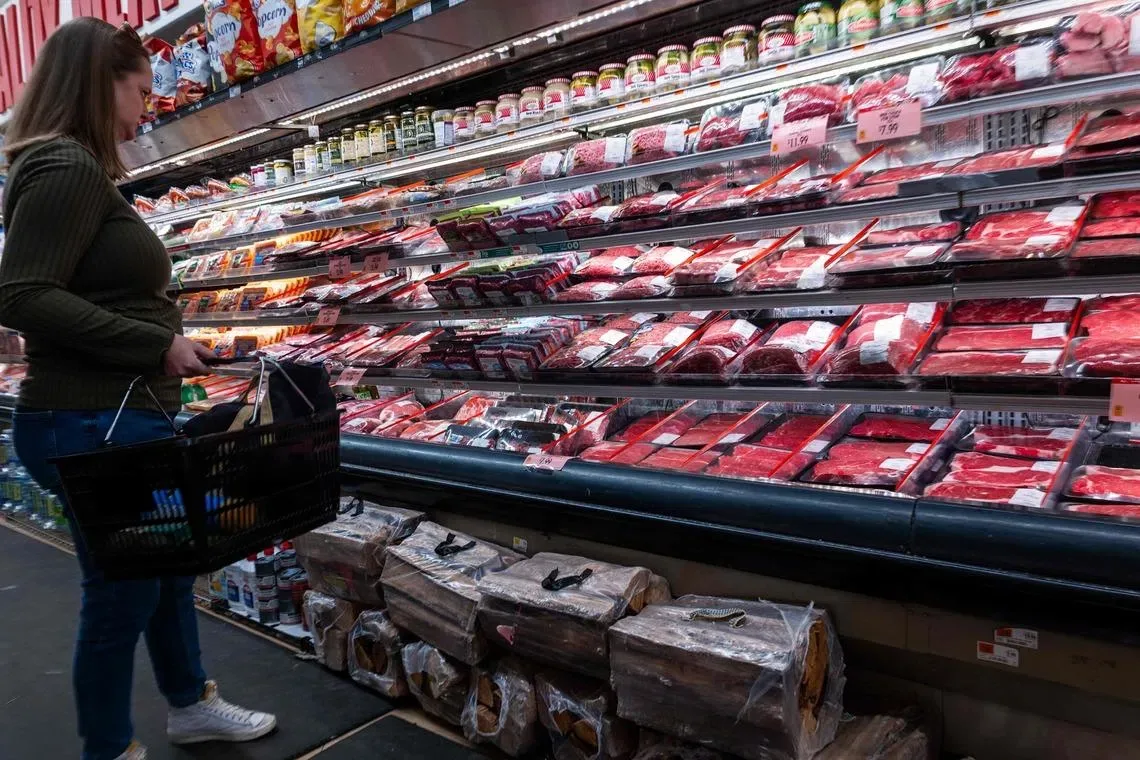
Core inflation, which excludes volatile food and energy costs, rose 2.9% annually and 0.2% monthly, indicating that price pressures remain but are more contained outside energy and food [1, 2, 3, 9, 5, 6, 8]. Shelter costs increased 0.3% month on month, while food prices also rose 0.3%, though this was a slowdown compared to prior months [3, 7, 8].
Energy prices surged 23.5% year on year, with petrol prices up 40.5%, largely due to the ongoing US-Israel war against Iran and Iran's partial blockade of the Strait of Hormuz that began in late February 2026 [1, 3, 7, 8]. Allianz Group’s Chief Economic Advisor Earl Irvin said, "The energy price surge has had limited spillover to core inflation over the last three months since the Iran war began," noting structural factors behind the rise [6].
Former White House National Economic Council member Alex Jaquez said inflation offers "no relief to working families, who are being forced to pinch pennies and tighten belts" as real wages declined 0.1% in May for the second straight month [7]. Chief Investment Strategist Liz Ann Sonders commented, "It's not just an oil story, it's a money supply story, and it's increasingly an AI story," pointing to broader inflation forces beyond energy [2].
Stock market futures initially reacted negatively to the inflation data and geopolitical tensions but recovered some losses later [3, 5]. Despite headline inflation pressures, BMO Capital Markets’ Ian Lyngen said, "The core data being moderate means the Fed has room to be patient in upcoming meetings" [5]. Analysts broadly agree that inflation increases stem primarily from energy shocks, with limited second-round effects on core inflation so far [5, 6, 8].
US 1-year inflation expectations fell to 3.46% in May from 3.64%, according to New York Fed data, suggesting somewhat moderated confidence in ongoing price rises [10]. The Federal Reserve is expected to hold interest rates steady at its June 17 meeting but markets price in possible hikes later this year [1, 3, 5, 6, 8].
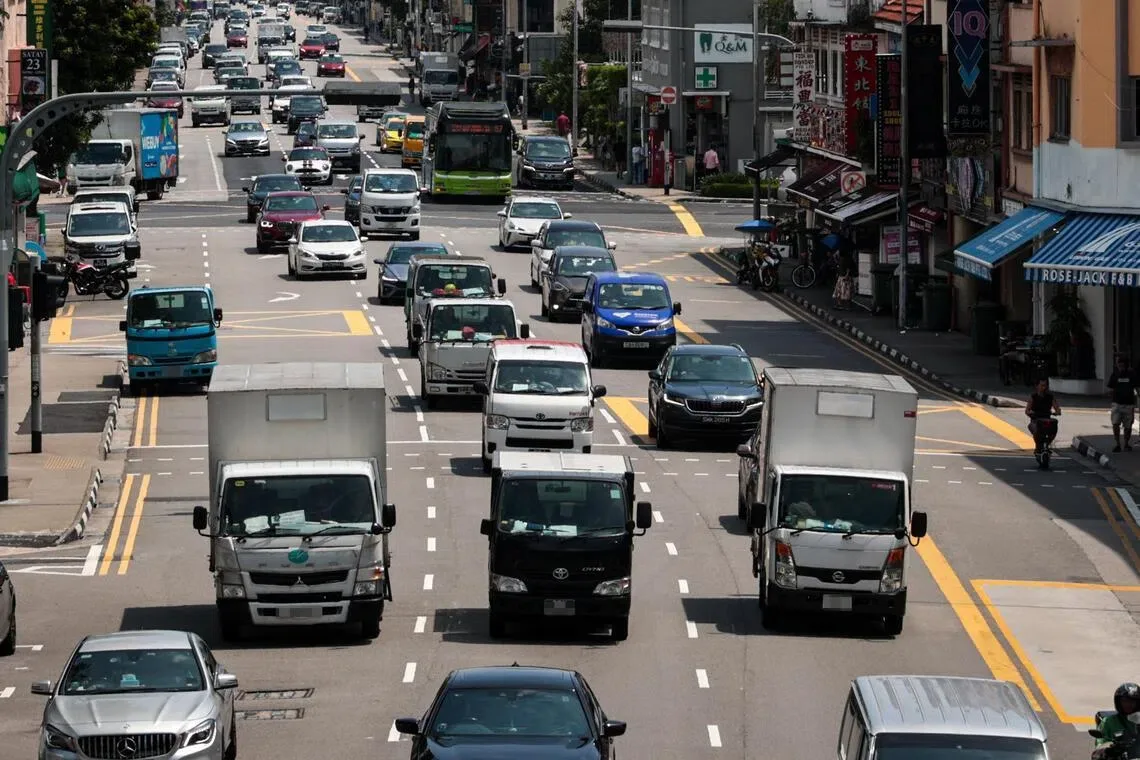
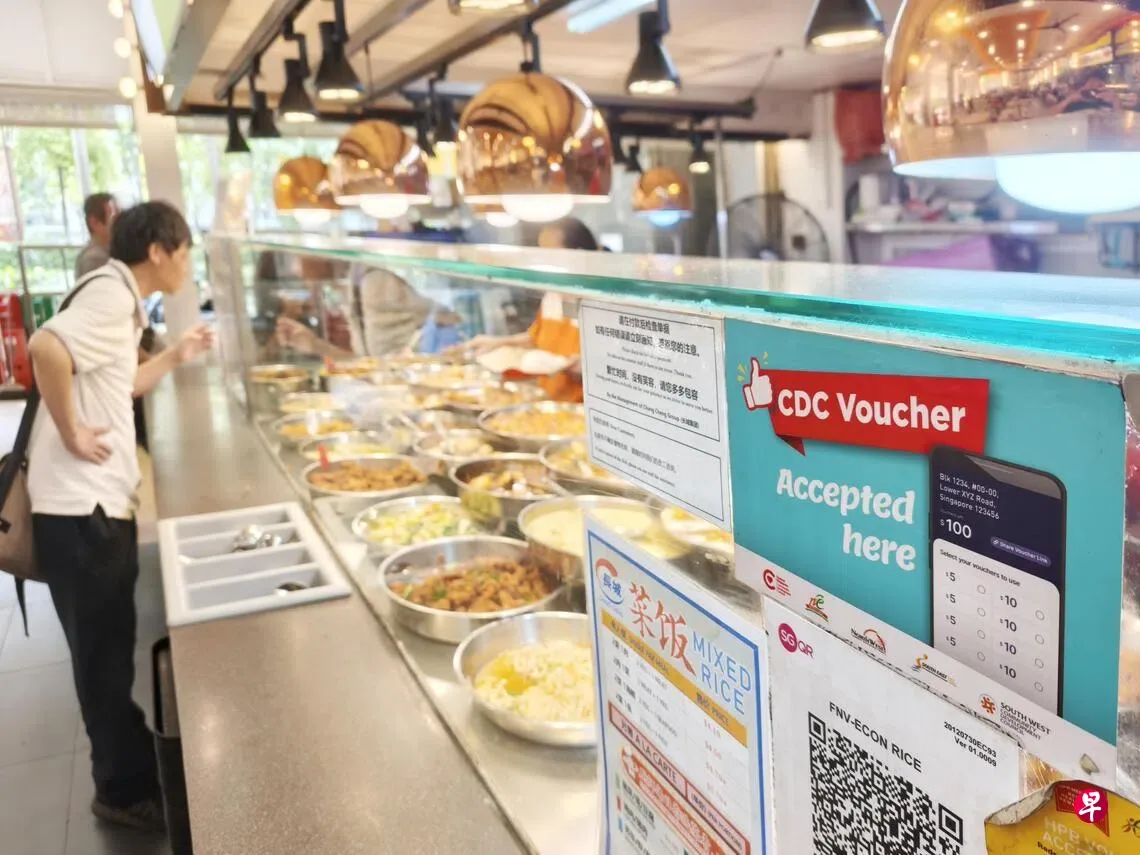
In response to global inflation pressures, Singapore’s government distributed SGD 700 million worth of neighborhood shopping vouchers early in June to support households, according to Deputy Prime Minister Gan Kim Yong, who credited prudent financial management for enabling timely aid [11]. Singapore's inflation stood at 1.8% as of May 25, with transportation prices rising 7% [11].
The Federal Reserve is set to announce its interest rate decision on June 17, which will be closely watched amid continuing price pressures and geopolitical uncertainty [1, 3, 5, 6, 8].