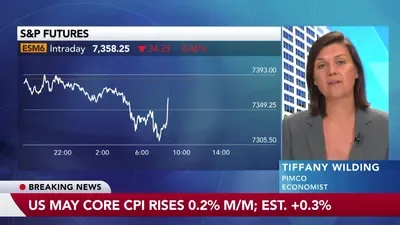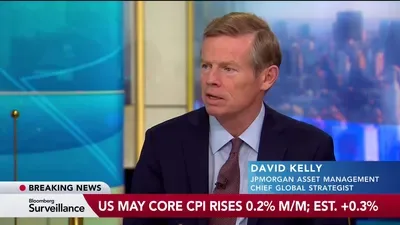
The US consumer price index (CPI) rose 4.2% year-on-year in May 2026, marking the highest inflation rate since April 2023, according to data released on June 10 [1, 2, 3, 4, 5, 6, 7]. Core CPI, which excludes volatile food and energy prices, increased 2.9% year-on-year with a 0.2% rise from April to May [1, 2, 3, 6].
Energy prices, especially gasoline, fueled much of the inflation surge, accounting for about 60% of the monthly increase in the CPI for May [1, 2, 3, 5, 6, 8, 7]. The national average gasoline price ranged between $4.15 and $4.60 per gallon, roughly $1 higher than a year earlier [2, 3, 6]. Joe Seydl, senior markets economist at J.P. Morgan, described the situation as "an 'oil shock' in the Middle East," emphasizing energy's outsized impact on prices [7].
The energy price shock is linked to the Iran war and ongoing Middle East conflict that began in late February 2026. Inflation has risen steadily since then, from 2.4% in February, 3.3% in March, 3.8% in April, to 4.2% in May [1, 2, 3, 5, 7].
Producer prices also climbed sharply, with the US producer price index (PPI) rising 6.5% year-on-year in May, the fastest pace since November 2022 [9]. Meanwhile, real average hourly wages fell by approximately 0.7% to 0.8% compared to a year earlier after adjusting for inflation, squeezing household incomes [4, 6].
Consumer confidence and financial outlook declined amid rising living costs, affecting political dynamics. Republicans face difficulties ahead of the November 2026 midterm elections due to public dissatisfaction with inflation-driven cost pressures [2, 3, 4, 5].
The Federal Reserve maintained interest rates in the 3.5%-3.75% range since late 2025 but faces pressure before its next meeting scheduled for June 16-17. This session will be the first under newly appointed Fed Chair Kevin Warsh, who took over in May 2026 [2, 3, 7]. President Donald Trump expressed support for lowering interest rates and downplayed fuel prices, stating, "You watch what's going to happen. I had a rotten head of the Fed, and now I have a great head of the Fed" [2, 4, 7].
Additional factors contributing to inflation include tariffs and AI-related capital spending, alongside persistent energy costs [7]. Moody's chief economist Mark Zandi said, "Inflation is painfully high. And while it's likely peaking given the recent decline in oil and gasoline prices, it's not going to go back to anything we feel good about for a long time" [7].