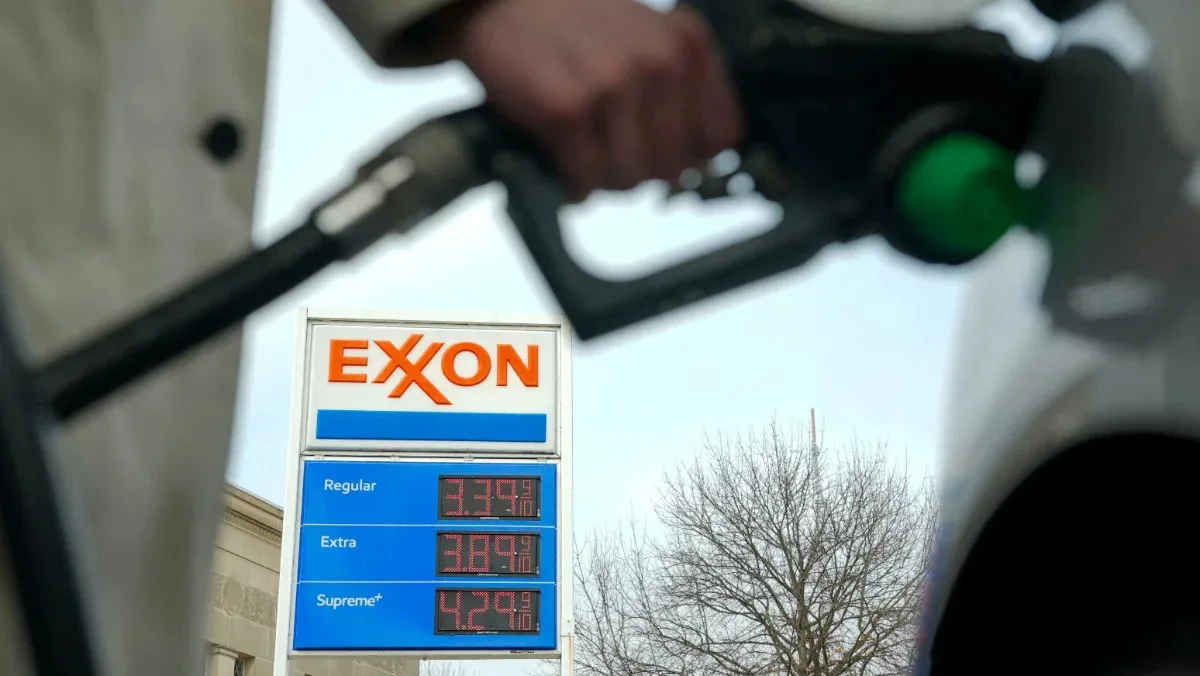
US average retail gasoline prices dropped below the $4 per gallon mark on June 14 for the first time since mid-April, reaching $3.997 according to GasBuddy data [1, 2, 3, 4]. The $4 threshold is seen as a key psychological barrier that influences consumer behavior, often prompting reduced fuel consumption [1, 2, 3, 4]. However, prices remained about 90.8 cents higher than the same time last year despite the recent dip below $4 [1, 2, 3, 4].
AAA data for June 15 showed a US national average price of $4.065 per gallon, slightly above the $4 mark [1, 3, 4]. Some market observers note gasoline prices have fallen for three consecutive weeks but remain above $4 nationally, with regional disparities such as California averaging above $5 per gallon [5].
The price decline follows a preliminary US-Iran peace deal reached after nearly four months of conflict. The agreement aims to fully reopen the Strait of Hormuz, a crucial oil shipping route that was blocked by Iran and caused prices to spike above $4 in late March [1, 5, 3]. US President Donald Trump announced the deal and authorized reopening the strait, stating in part, “全世界的船隻,啟動你們的引擎,讓石油流動吧!” (“All the world’s ships, start your engines, let the oil flow!”) [3]. A formal signing ceremony is scheduled for June 19 in Switzerland [3, 4].
Reopening the Strait of Hormuz could restore about 20% of the global oil flow disrupted by the conflict, easing supply constraints [1, 5, 3]. Yet analysts warn the process will take weeks, as mines must be removed and normal shipping restored, making price relief potentially fragile. SEB chief commodities analyst Bjarne Schieldrop called the deal “a fragile structure” [1, 3]. Patrick De Haan, head of petroleum analysis at GasBuddy, said, “The real test now shifts to the Strait of Hormuz, where any reopening and resumption of normal oil flows would be the clearest signal that this relief is durable.” [1]
Gasoline inventories in the US remain low. Stocks for early June were near 10-year lows for this time of year, which could limit the ability of prices to fall significantly or stay low for long [3]. Since the conflict began, Americans have collectively spent about $46 billion extra on gasoline due to higher prices [1, 3]. US consumer inflation rose above 4% in May for the first time in three years, with gasoline prices a partial contributor [1, 5].
The price drop comes as President Trump and Republican lawmakers face political pressure over fuel costs ahead of the November midterm elections. Trump’s approval rating rose slightly by 1 point to 36% following the peace deal and fuel price relief news [1, 3, 4].
The next major event will be the formal signing of the US-Iran peace agreement on June 19, which is expected to mark the official reopening of the Strait of Hormuz and a potential further easing of oil market tensions [1, 3, 4].