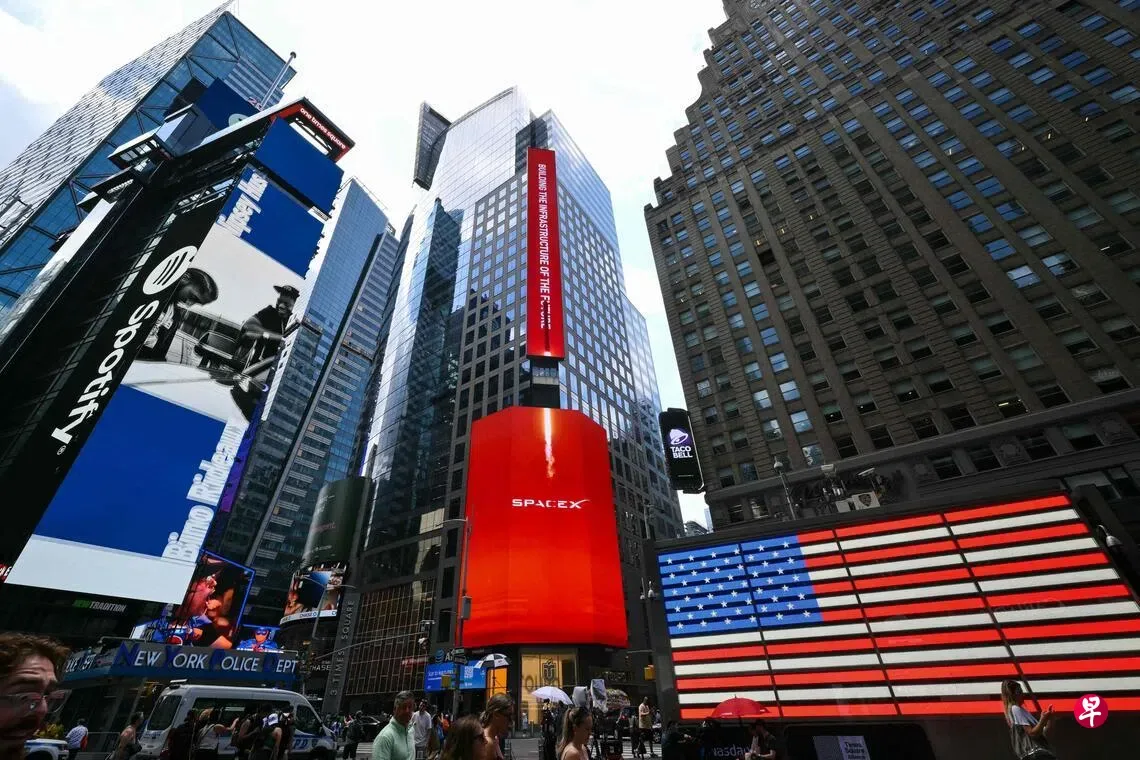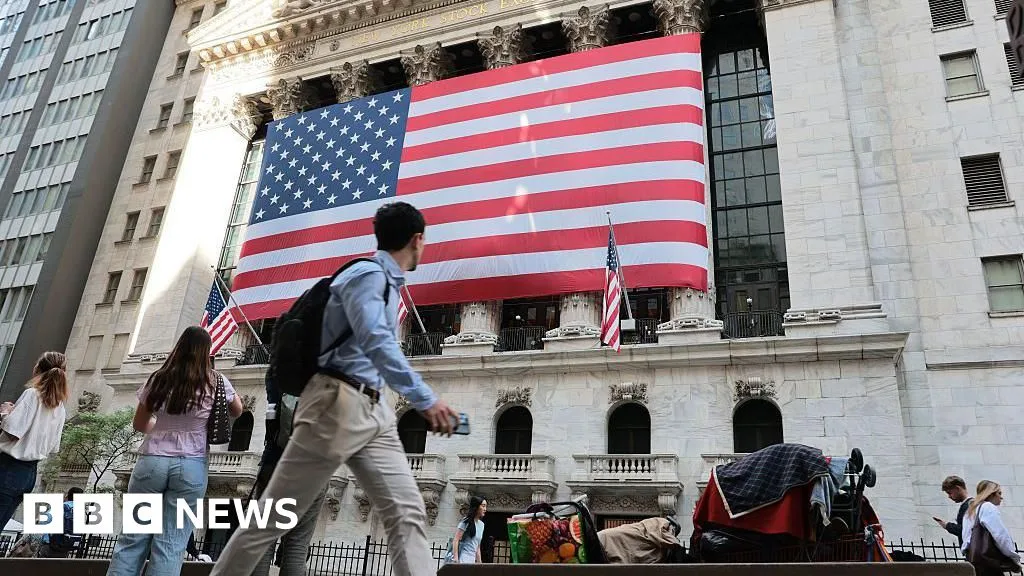
The US economy grew at an annualized rate of about 2% despite challenges from the ongoing trade war, tighter immigration policies, and conflicts in the Middle East, according to multiple sources [1, 2, 3, 4]. Capital expenditure remains robust at 13.9% of GDP and shows no signs of slowing amid these shocks, reflecting sustained productive investment. Joe Brusuelas, chief economist at RSM, noted, "Capital expenditure (CapEx) right now is 13.9% of US GDP. That should be slowing... and it's not" [1].
The shale oil revolution and increased use of alternative fuels have reduced US vulnerability to energy shocks that had previously damaged growth. US oil and gas production has surged over the last 20 years, cutting the oil sector’s GDP contribution to half its level 50 years ago [2, 3, 4]. Brusuelas described the US economy as “the cleanest shirt” amid a “pile of very dirty laundry,” referring to its relative resilience [3].
The labor market remained strong in May 2026, with 172,000 new jobs added, surpassing expectations [2, 3, 4]. Consumer prices rose 4.2% year-on-year in May, up from 3.8% in April and marking the fastest inflation increase in three years [2, 3, 4]. This inflation rise contributes to growing living cost pressures across the country.
Analysts attribute the US economic advantage partly to market flexibility and the willingness of Americans to accept short-term risks for long-term gains. Rebecca Christie, senior researcher at Bruegel, highlighted that "Americans are more willing to take short-term risks for long-term benefits, whereas European culture tends to be more risk-averse" [3]. She added that reliance on equity investment rather than bank loans gives US companies more financial flexibility [4].
Despite the overall strength, inequality, rising prices, and housing stresses increasingly challenge many Americans. Christie said, "The US is a highly unequal society. If you are struggling, life can be very hard because the labor market is not adding many new jobs, prices keep rising, and many cities face housing crises" [3].
In a key cross-border contrast, production continues at Bayerische Motoren Werke’s largest plant in Spartanburg, South Carolina, even as the last car rolled off Volkswagen’s Transparent Factory in Dresden, Germany, in December 2025 [1, 3, 4].
Looking ahead, the US economic data for June and the Federal Reserve’s policy decisions will be closely watched to assess inflation trends and sustained growth amid global uncertainties.