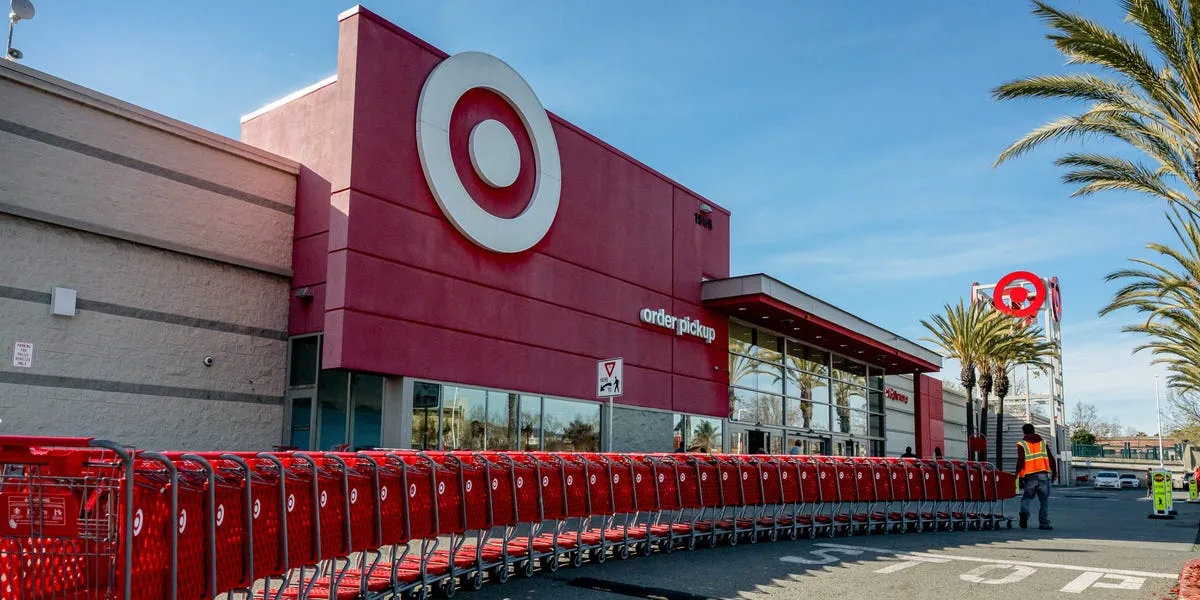
Target reported net sales of $25.443 billion for the first quarter of 2026, marking a 6.7% increase compared to the same period last year [1, 2]. Comparable store sales rose 5.6%, reflecting continued growth across its existing locations [1, 2]. The retailer expects full-year 2026 net sales to increase around 4%, with positive growth forecasted in each quarter [1].
CEO Michael Fiddelke said during a media call that customer response has been favorable. He attributed the results to improvements in product assortment and the shopping experience, saying, "We have confidence we're on the right path, because guests are responding in areas where we are leaning in and driving change" [2].
Target has introduced clear price points at $3, $5, and $10 across categories such as wellness and toys. Chief Merchandising Officer Cara Sylvester noted that these price points come alongside enhanced in-store experiences. "When you actually shop the toy aisle, now you're discovering something new," she said [2].
The company has also invested in training for 300,000 store employees to improve customer service consistency and accountability [2]. This focus on customer experience is part of Target's effort to regain market share after facing challenges competing against value retailers like Walmart and Costco. Recent brand collaborations, including a Hot Wheels partnership launched in May featuring children's racetrack-themed bedding and décor, have helped revive categories and attract shoppers [2].
Target announced its Q1 financial results on May 20, confirming the sales gains and positive comparable store sales [1]. The company aims to build on the early 2026 momentum with continued product refreshes and enhanced shopping environments.
Target plans to release its Q2 sales figures later this year, expecting growth to continue through the remainder of 2026 [1].