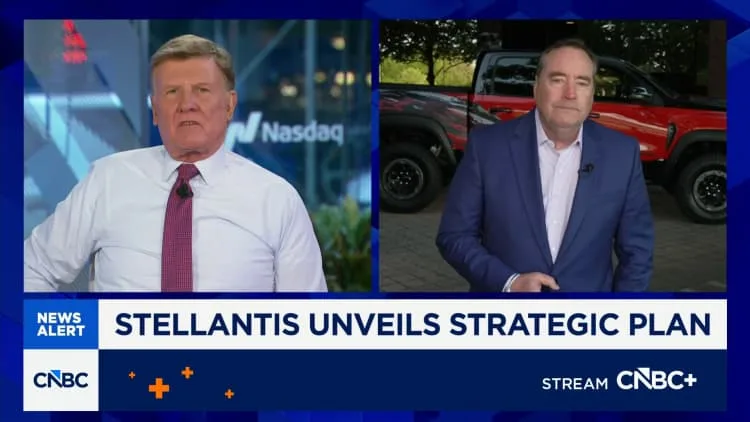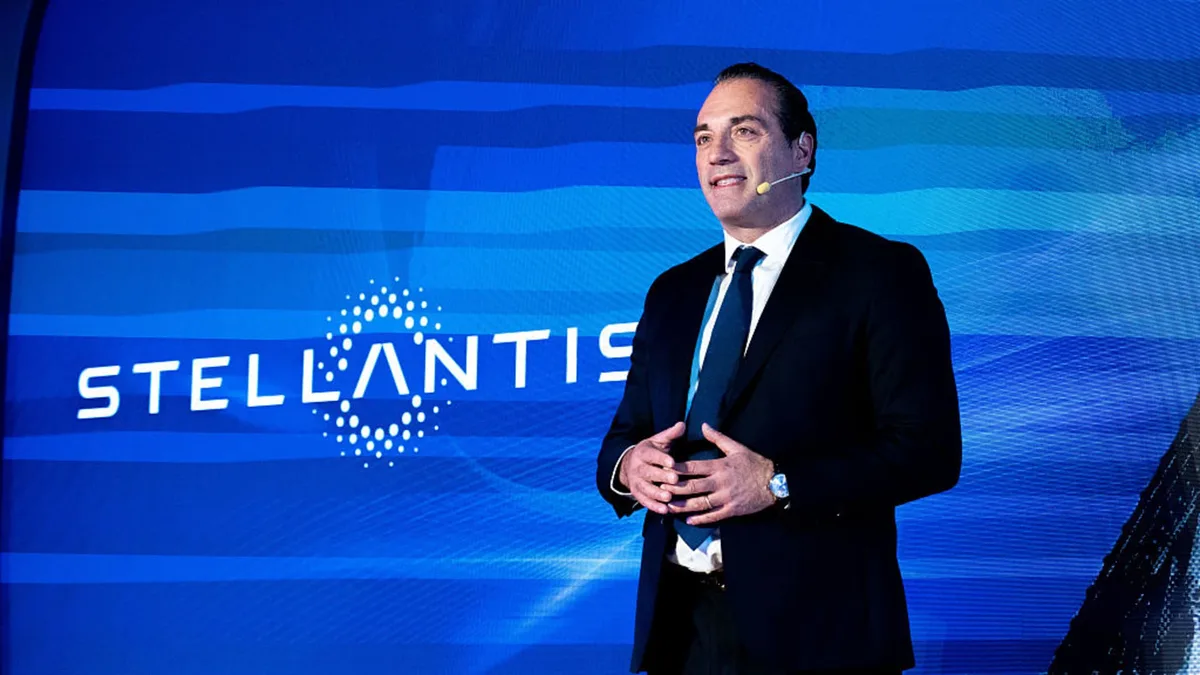
Stellantis revealed its FaSTLAne 2030 five-year strategic turnaround plan at an Investor Day event in Michigan on May 21, 2026. [1, 2, 3, 4] The company plans to invest approximately 60 billion euros (around 69.7 billion USD) to reverse its recent losses and drive growth. [1, 5, 2]
CEO Antonio Filosa, who took charge less than a year ago, said the plan builds on Stellantis' strengths with sharper brand management, new investments, partnerships, and manufacturing optimization. "We are fixing them at the speed of light, and I truly believe that now, and we will share that May 21 at our investor day, we have a clear path of sustainable and comfortable growth in front of us," Filosa said. [1, 3]
Out of the total investment, 36 billion euros will fund the company's automotive brands, spanning all-electric vehicles, hybrids, and internal combustion engines. Another 24 billion euros is earmarked for global vehicle platforms, powertrains, and new technologies. [1, 2, 4] The plan targets annual cost savings of about 6 billion euros by 2028. [1, 2, 4]
The company will launch more than 60 new vehicle models and refresh around 50 existing ones by 2030. It aims to have 50% of its production on three global platforms by then, reusing up to 70% of components to cut complexity and costs. [1, 5, 4]
Stellantis will retain all 14 of its brands but merge DS into Citroën and Lancia into Fiat. Fiat, Jeep, Ram Trucks, and Peugeot will be global brands; regional brands include Chrysler, Dodge, Citroën, Opel, and Alfa Romeo, with Maserati positioned as the luxury brand. [1]
A key milestone is the 2027 launch of a unified vehicle platform called "STLA One," aimed at simplifying operations and improving cost efficiency by 20%. [1] The plan follows a difficult year, with Stellantis posting a net loss of 22.3 billion euros in 2025, which included a 22 billion euro restructuring away from some all-electric vehicle ambitions. [1, 3]
The company plans to achieve positive free cash flow by 2028, a year marked for reaching targeted cost savings and platform unification goals. [1, 2, 4]