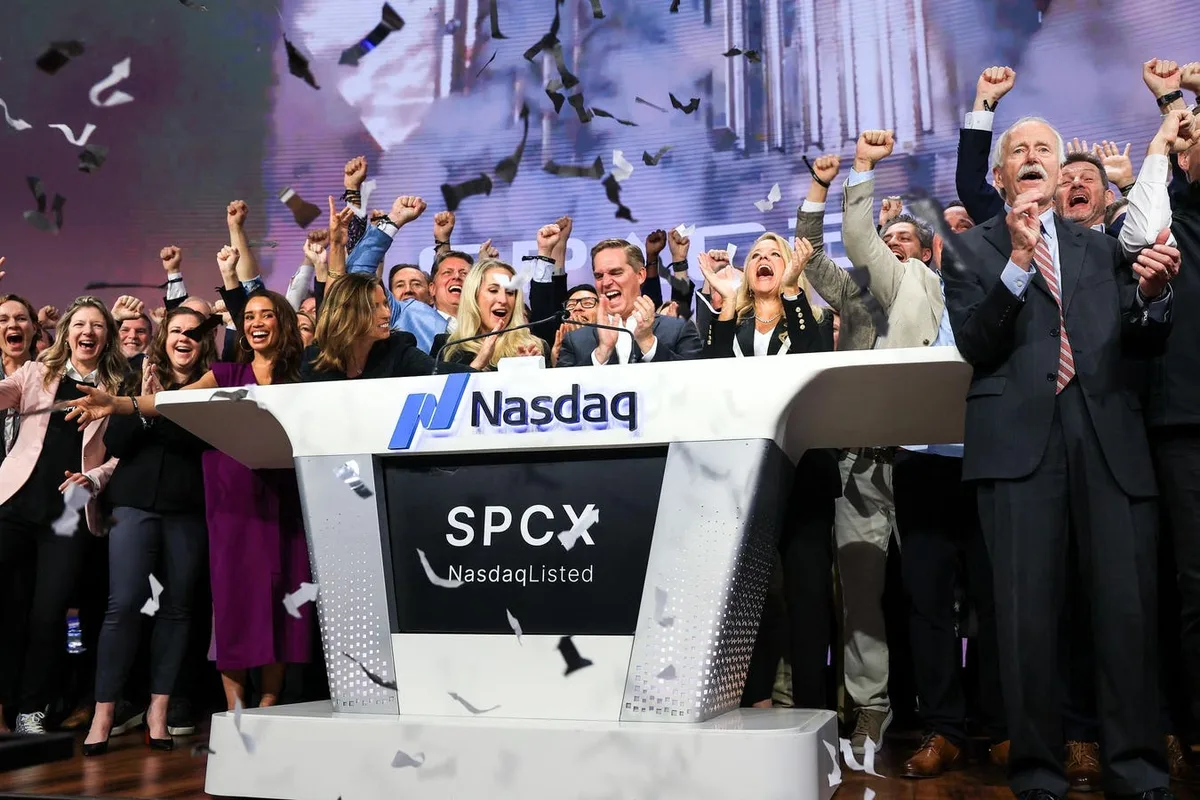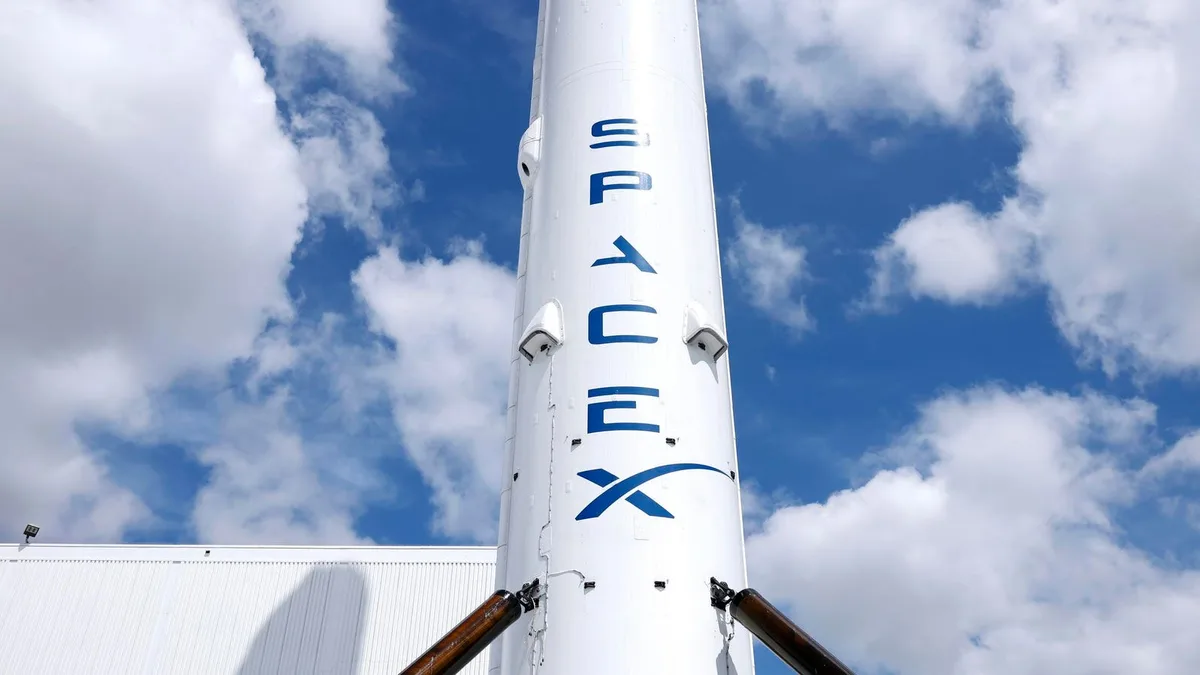
SpaceX set its initial public offering (IPO) price at $135 per share ahead of its trading debut on Nasdaq under the ticker SPCX on June 12, 2026 [1, 2, 3, 4, 5]. The company plans to raise approximately $75 billion by selling about 555.6 million shares, marking the largest IPO ever with a valuation near $1.77 trillion [6, 7, 2, 3, 4, 5].
Retail investors placed orders exceeding $100 billion, with total demand reaching roughly $250 billion—about four times the offering size [6, 7, 2, 3, 4, 5]. One major institutional investor, BlackRock, submitted an order for at least $5 billion worth of SpaceX shares ahead of the IPO [7, 2, 3, 4, 5].
SpaceX employed a fixed IPO price rather than the more common price range approach [1, 6, 7]. Some sources indicated the stock could open at around $175 per share in early trading, a 30% premium on the offer price [3, 5].
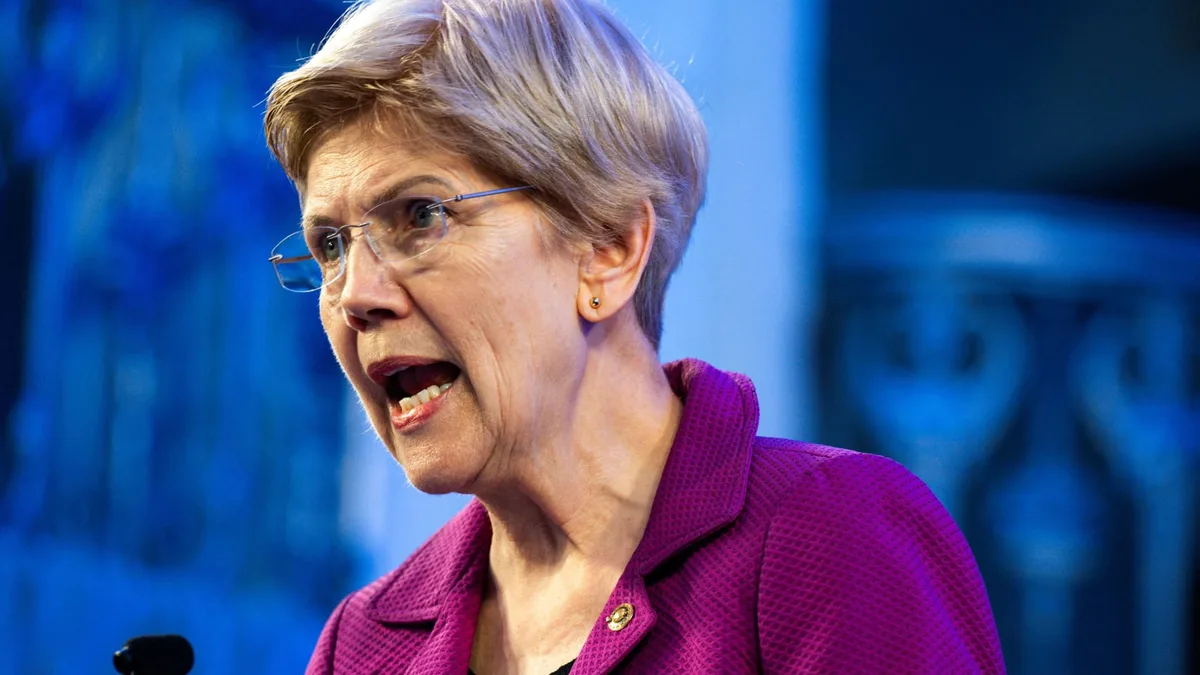
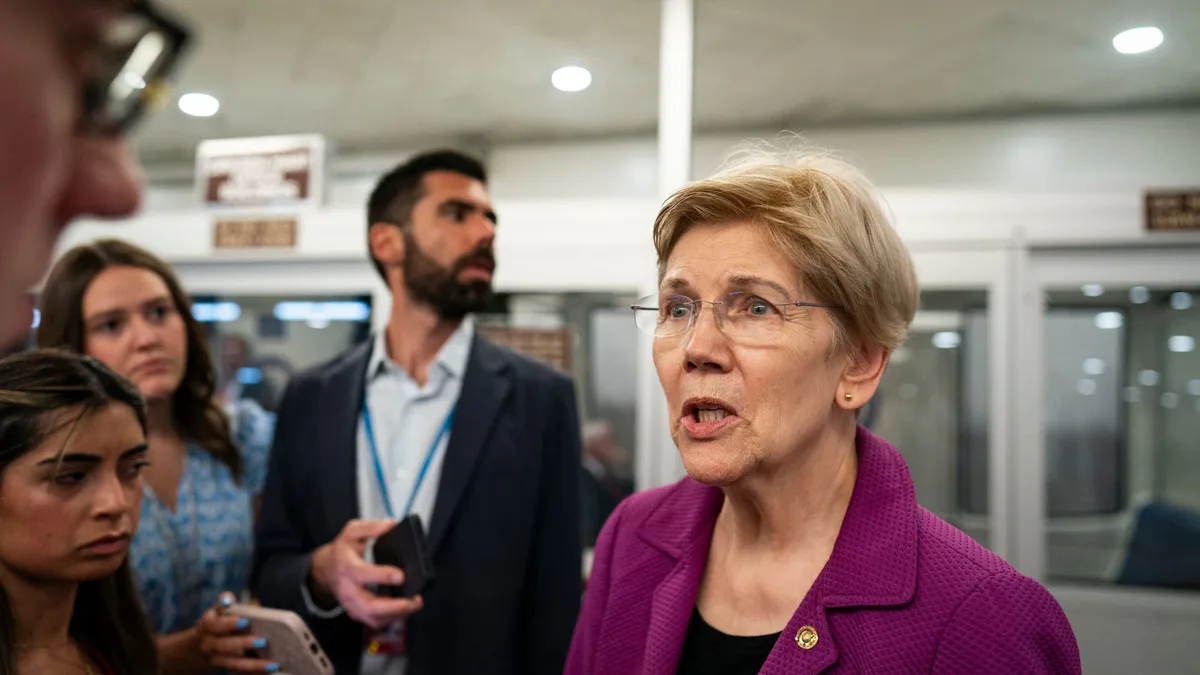
The IPO attracted significant regulatory scrutiny leading up to the listing. Senator Elizabeth Warren called for a delay, urging the Securities and Exchange Commission (SEC) to impose stricter governance and investor protection requirements [8, 9, 1, 6, 10]. She expressed concern about Elon Musk’s control of 85% of SpaceX’s shareholder voting power, highlighting the risks posed to passive index fund investors who would be forced to hold SpaceX shares due to recent stock index rule changes [1, 6]. "SpaceX’s governance structure—Musk controls 85% of SpaceX’s shareholder voting power—gives Musk an unprecedented level of power over investors," Warren said [6].
On June 9, Warren formally requested the SEC delay the IPO to allow for further scrutiny [1, 6]. Two days later she sent a letter to stock exchange heads questioning recent rule changes affecting SpaceX and other AI-related IPOs, seeking communications records [9].
Critics and analysts also questioned Elon Musk’s concentrated control and the company’s governance arrangements [6, 7, 10]. Despite concerns, the offering proceeded amid overwhelming demand.
SpaceX shares began trading on Nasdaq today, June 12, 2026, completing the largest IPO in history by valuation and raising about $75 billion for the company [4, 5].