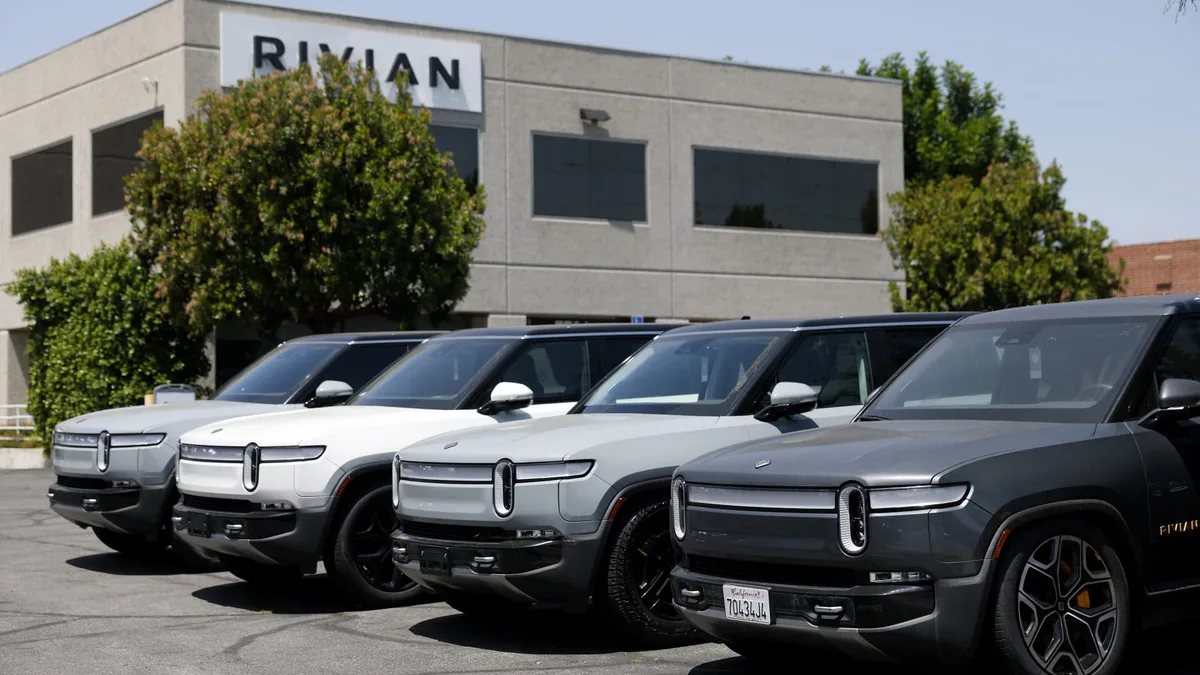
Rivian laid off fewer than 2% of its workforce on June 16, affecting hundreds of employees primarily in service and customer-facing segments such as sales, marketing, and go-to-market functions [1, 2, 3]. The company had about 15,232 employees across North America and Europe at the end of 2025 [1].
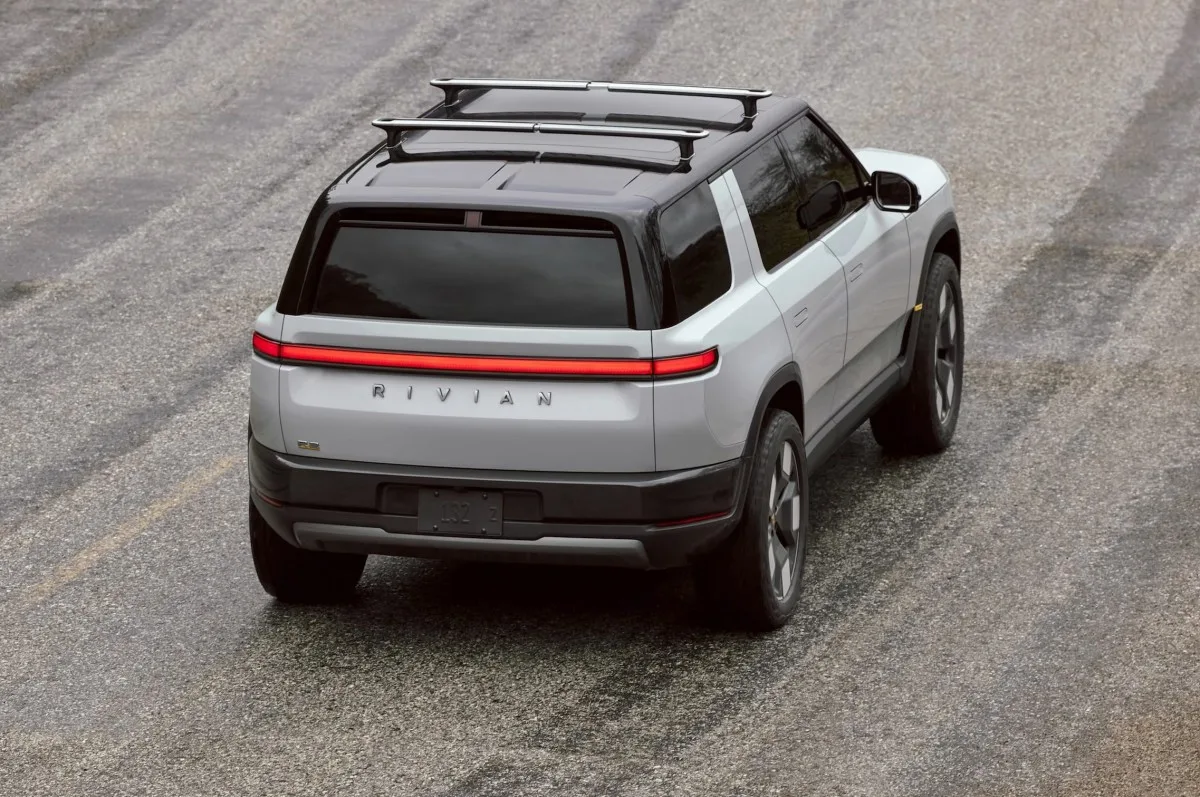
The layoffs came just days after Rivian began deliveries of its R2 SUV, its third consumer product and a key vehicle as the electric vehicle maker aims to move from a niche luxury brand to a more mainstream one [1, 2, 3]. A Rivian spokesperson said, "We recently restructured a handful of teams within Rivian as we work to profitably scale our business" [1, 2, 3]. The spokesperson added the company "remains confident in the R2 and the company's ability to deliver and ramp the five-seater to customers" [3].
Rivian has never posted an annual profit, recording a $3.6 billion loss in 2025 while delivering 42,247 vehicles [1]. The automaker lost about $6,000 per vehicle delivered in the first quarter of 2026 [1]. It initially targeted profitability by 2027 but pushed back that goal in March 2026 due to spending on autonomous vehicle technology development [2]. Currently, Rivian offers only hands-off driver assistance and has not demonstrated full autonomous driving capability [2].
The company has already conducted at least four rounds of layoffs since early 2024, including cutting about 600 workers, or 4.5% of its workforce, in October 2025 [1, 2]. Employees affected by the latest layoffs are eligible for rehire and receive severance, benefits, and career-transition support [3].
Uber plans to invest up to $1.25 billion in Rivian and purchase as many as 50,000 R2 SUVs for use as robotaxis, a deal aimed at bolstering Rivian's volumes and future growth [2].
The latest cuts follow Rivian’s strategy to scale profitably while focusing on the R2 SUV as a vehicle to reach a wider market amid heavy losses and high development costs.