OPEC+ key members intend to complete restoring about two-thirds of the 1.65 million barrels per day production cut made in 2023 by the end of September 2026, largely on paper due to export constraints [1, 2, 3]. An anonymous OPEC+ delegate said, "we plan to complete the return of a layer of halted production — if only on paper — by the end of September" [1].
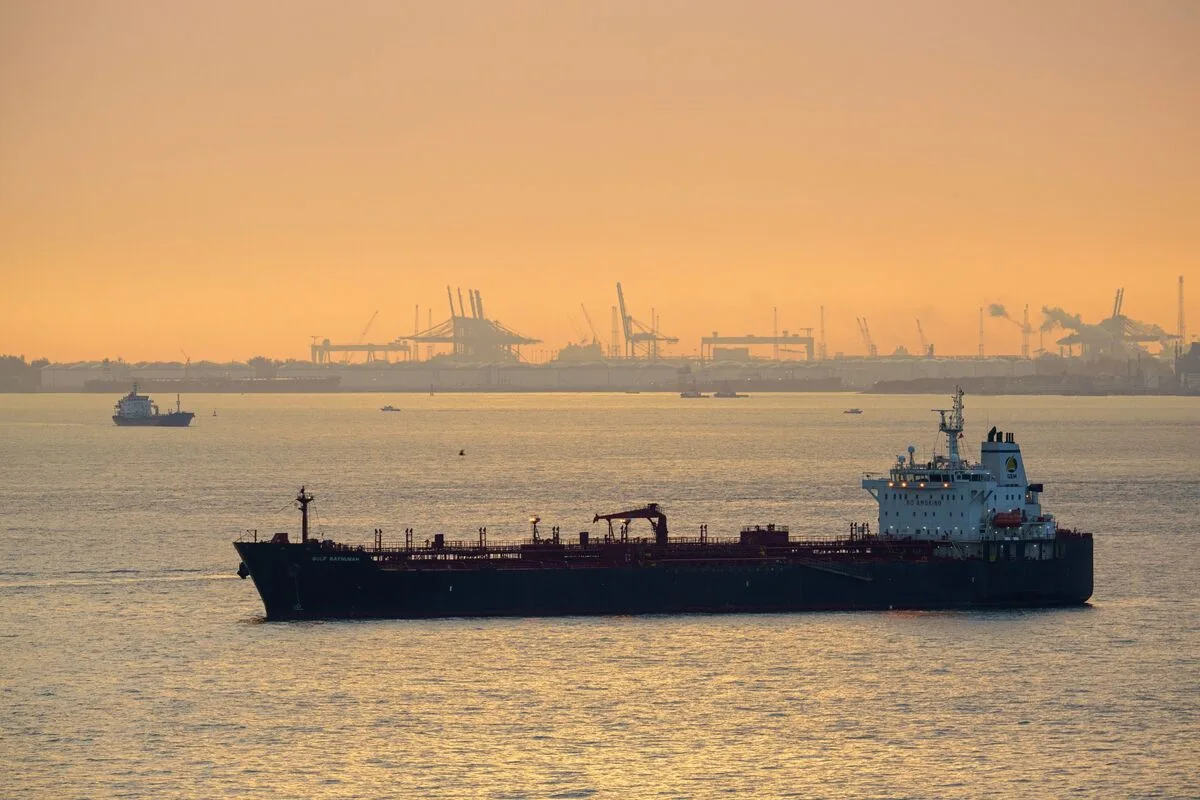
The group, led by Saudi Arabia and Russia, has ratified modest monthly increases, including a 188,000 barrels per day rise for June 2026, with three more monthly stages planned to revive the remaining portion of the cut [1, 2]. However, major members face practical limits to raising supply because the ongoing Iran war and effective blockade of the Strait of Hormuz have blocked Persian Gulf exports [1, 2, 3].
Saudi Arabia reported reduced output of 6.3 million barrels per day in April 2026 amid these disruptions [2]. To bypass the Strait of Hormuz, Saudi Aramco increased capacity on its east-west pipeline to 7 million barrels per day to help maintain supply during export blockages [3]. The company's CEO, Nasser, emphasized the vital role of oil and gas in energy security and the global economy amid recent events [3].
The conflict has created an urgent supply gap, with a cumulative shortfall of over 1 billion barrels draining inventories at record speeds [2, 3]. The International Energy Agency warns supply cuts linked to the Iran conflict could reduce global oil supply by about 3.9 million barrels per day this year [3]. If the Strait of Hormuz closes completely, global markets could lose up to 12.8 million barrels per day of supply [3].
Adding strain, the United Arab Emirates left OPEC in May 2026 due to friction with Saudi Arabia over production limits, theoretically removing about 144,000 barrels per day from original cut figures [2].
The war involving Iran erupted in late February 2026, triggering significant export disruptions from the Persian Gulf [2]. Iranian officials have vowed not to relinquish strategic control of the Strait of Hormuz or halt uranium enrichment, calling the ceasefire "fragile and unreliable" [3].
OPEC+ will meet again on June 7, 2026, to review production policy for July and beyond [2].