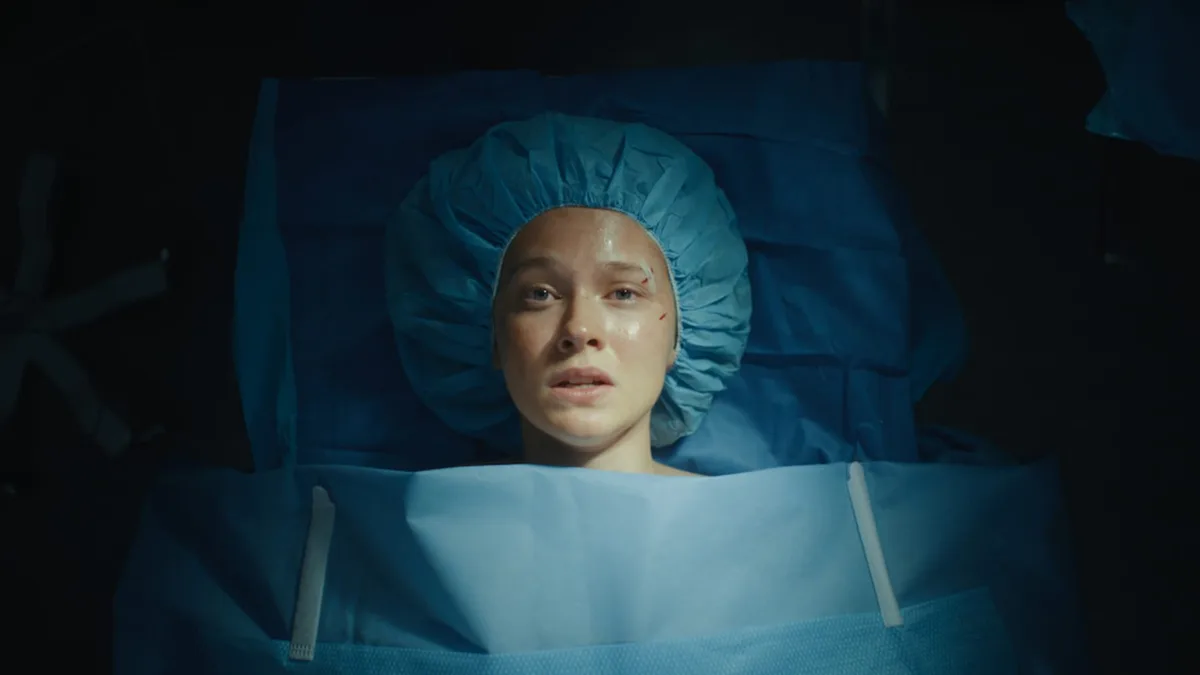
Netflix's "Beef" season 2 opened with a $5,000 health insurance deductible, a figure that mirrors a common reality for US workers and shoppers in 2026. [1]
The show, which launched on Netflix on April 16, uses the line "You have a super high deductible — $5,000. It's kind of the opposite," as one character explains the plan. Another asks, "Oh wow. We can deduct $5,000? What if it costs less? Do they give us the difference?" [1]
The confusion lands in a market where just over 1 in 4 Gen Z adults could correctly identify the term "deductible" in a 2024 NAIC survey. At the same time, about 88% of workers with employer-sponsored insurance have a deductible in 2026, up from 55% in 2006. [1]
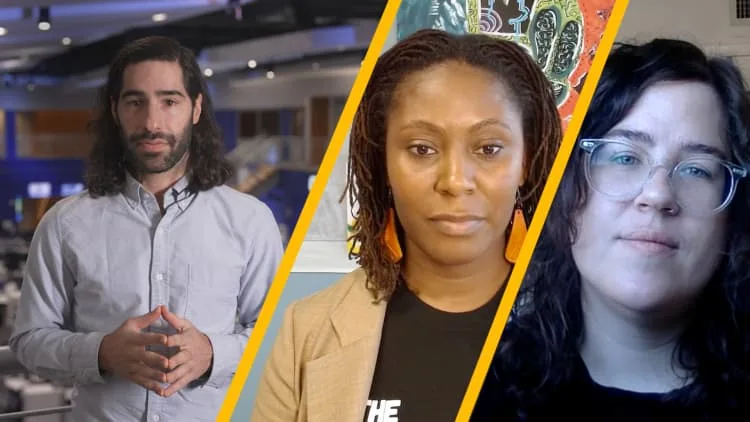
High deductibles are not just a billing issue. Research cited in the fact set says they can lead to worse health outcomes, including lower cancer survival rates. Miriam Straus, associate director at the Center for Health Law and Policy at O'Neill Institute, said proponents argue deductibles make people more careful consumers by avoiding unnecessary care, but that "many consumers may not realize that, with a high-deductible plan, they can face thousands of dollars in health care costs." She added that among cancer patients, high-deductible health plan coverage is associated with worse overall survival. [1]
Employers and insurers increased deductibles between 2005 and 2020 to control costs and utilization, and some Affordable Care Act marketplace plans can still carry deductibles above $7,000 in 2026. Matthew Rae, associate director at KFF, said, "A $5,000 deductible doesn't surprise me at all." [1]
The storyline arrived as health coverage economics keep shifting toward higher out-of-pocket exposure. The show's second season launched amid that backdrop on April 16, and the deductible it dramatizes remains a standard feature of many US plans today. [1]