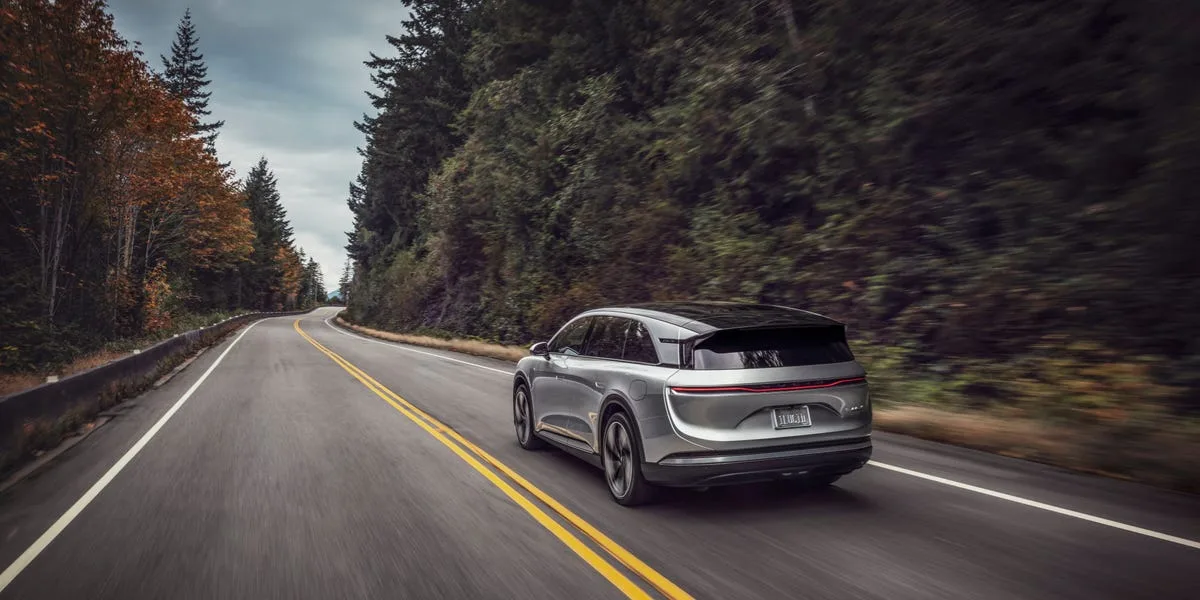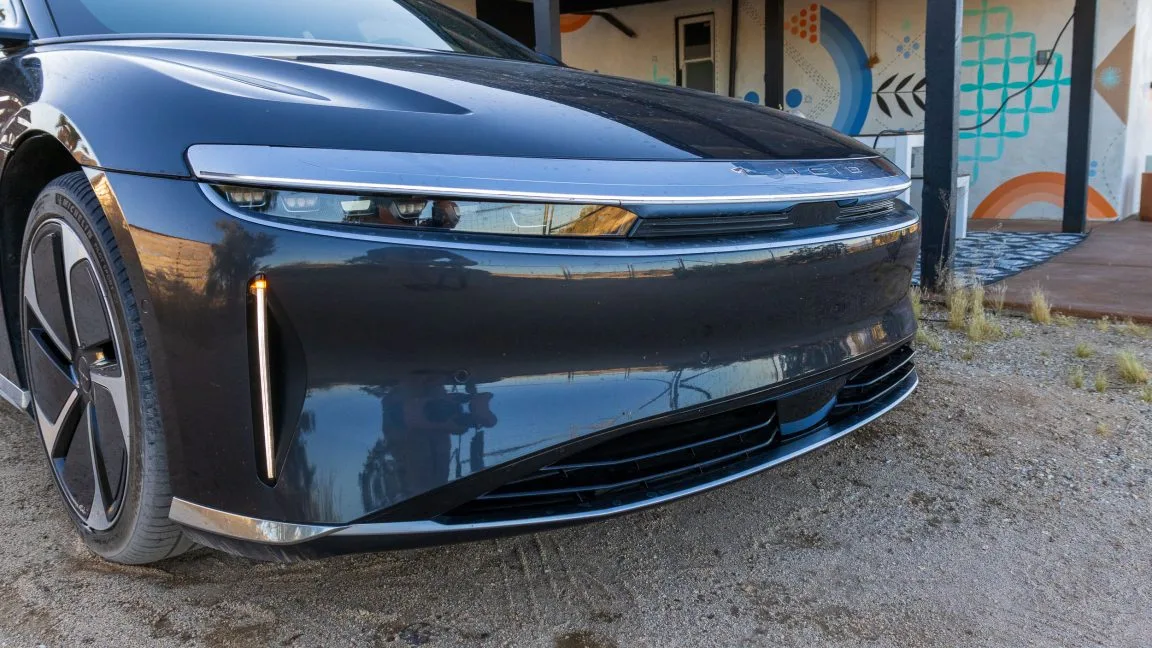
Lucid Motors announced layoffs of roughly 1,500 employees, or 18% of its workforce, on June 22, following a 12% reduction in February 2026 [1, 2, 3]. The cuts affect full-time staff, contractors, and hourly production workers at its Casa Grande, Arizona factory [1, 2, 3].
The company is shutting down the second shift at the Casa Grande plant to better match production with expected demand, aiming to reduce inventory levels [1, 2, 3]. A Lucid spokesperson said, "These are difficult decisions taken to align production with demand, reduce inventory, and adapt to declining market conditions" [3].
Lucid expects these steps to save about $158 million annually after paying $32 million in severance and benefits [1, 2, 3]. A company statement said the layoffs were meant to "advance the Company’s path toward profitability and positive cash flow generation by streamlining its organizational structure, optimizing operating expenses, and aligning production plans with anticipated demand" [1].
As part of the restructuring, Lucid eliminated its chief operating officer role, leading to the departure of Marc Winterhoff, the former COO and interim CEO [1, 2, 3]. The company noted it had "eliminated the chief operating officer position entirely" [2]. Silvio Napoli became permanent CEO in April 2026, replacing Winterhoff [1, 2, 3].
At the end of 2025, Lucid employed about 9,000 people globally before the earlier February layoffs [2]. Several senior executives have left since then, including CEO Peter Rawlinson in February 2025 and Chief Engineer Eric Bach in November 2025, who later filed a wrongful termination suit now stayed pending arbitration [2, 3]. Senior vice presidents Emad Dlala and Claudia Gast also departed earlier in 2026 [2, 3].
Later this year, Lucid plans to launch a lower-cost Cosmos SUV with a target price under $50,000 [2, 3]. The company also aims to debut a luxury robotaxi service in San Francisco through partnerships with Uber and Nuro [2, 3].