Kalshi CEO Tarek Mansour announced on May 4 that the company is imposing new voluntary measures to prevent minors from trading on its prediction market platform, including mandatory facial recognition, selfie requests for higher-risk users, two-factor authentication promotion, and login alert tools [1]. Mansour said, "We're essentially proactively doing that before we're required to do them because we think a lot of these measures are the right thing to do." He added the goal is to "set a … new state-of-the-art benchmark when it comes to customer protection" [1].
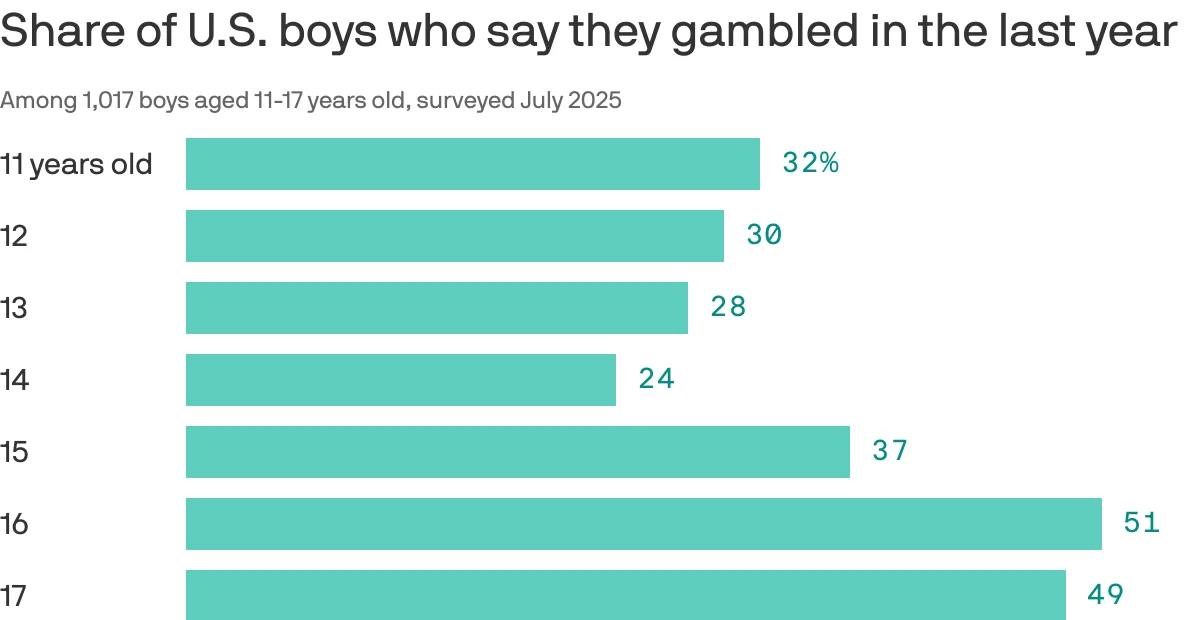
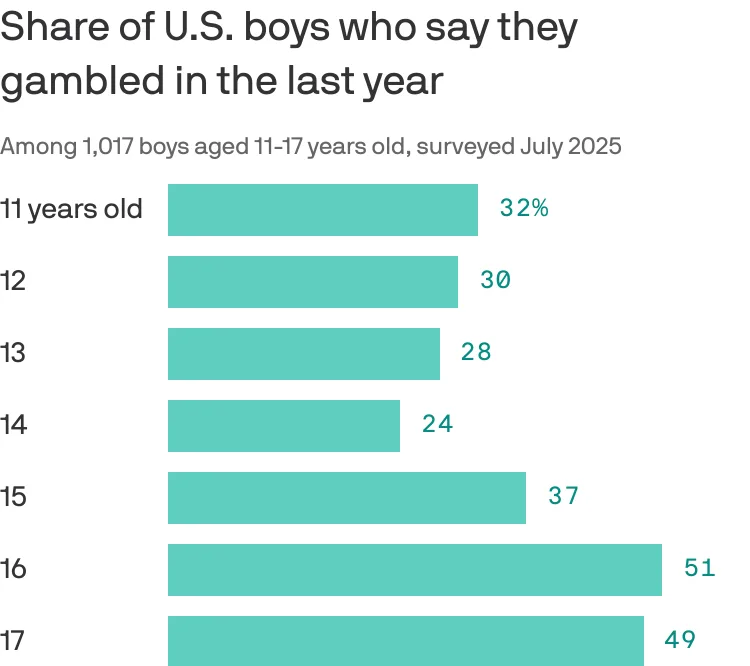
Kalshi already bans all users under 18 from trading, but the new steps aim to improve enforcement and security [1]. The measures come amid growing concerns over youth gambling on sportsbooks and prediction markets. A July 2025 study by Common Sense Media found that 36% of boys ages 11-17 gambled in the past year, rising to 49% among 17-year-olds [1]. Jonathan Cohen, policy lead at the American Institute for Boys and Men, said, "The harms of sports gambling are disproportionately concentrated among younger men, and so the prediction markets are clearly the new frontier in this conversation about sports gambling" [1].
While some view prediction market trading as a form of gambling, Kalshi CEO Mansour noted that the platform's trades are peer-to-peer rather than against the house, arguing it should not be classed as gambling [1]. Meanwhile, lawmakers introduced new legislation addressing concerns in this sector. Senators Kirsten Gillibrand and Dave McCormick introduced the Prediction Market Act of 2026 on April 30, which would require self-exclusion options and stronger age verification for prediction markets [1].
The NBA and PGA Tour called on prediction markets on May 1 to raise the minimum trading age to 21 to align with rules for sportsbooks and casinos. NBA executive VP Dan Spillane said, "Like sports betting, trading in sports prediction contracts carries material risks (e.g., of financial loss) that may be particularly acute for younger individuals" [1].
Kalshi's new measures are voluntary and implemented before any legal mandate, reflecting a proactive effort to address risks to underage users on its platform [1].