Amazon purchased the Melania Trump documentary for $40 million and paid Melania approximately $28 million from the deal, according to company disclosures [1]. Amazon also spent around $35 million on marketing the film, which was released in January without press screenings [1].
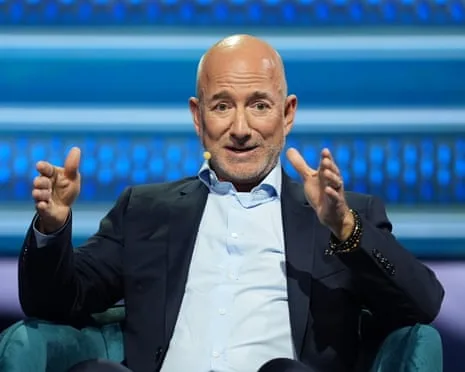
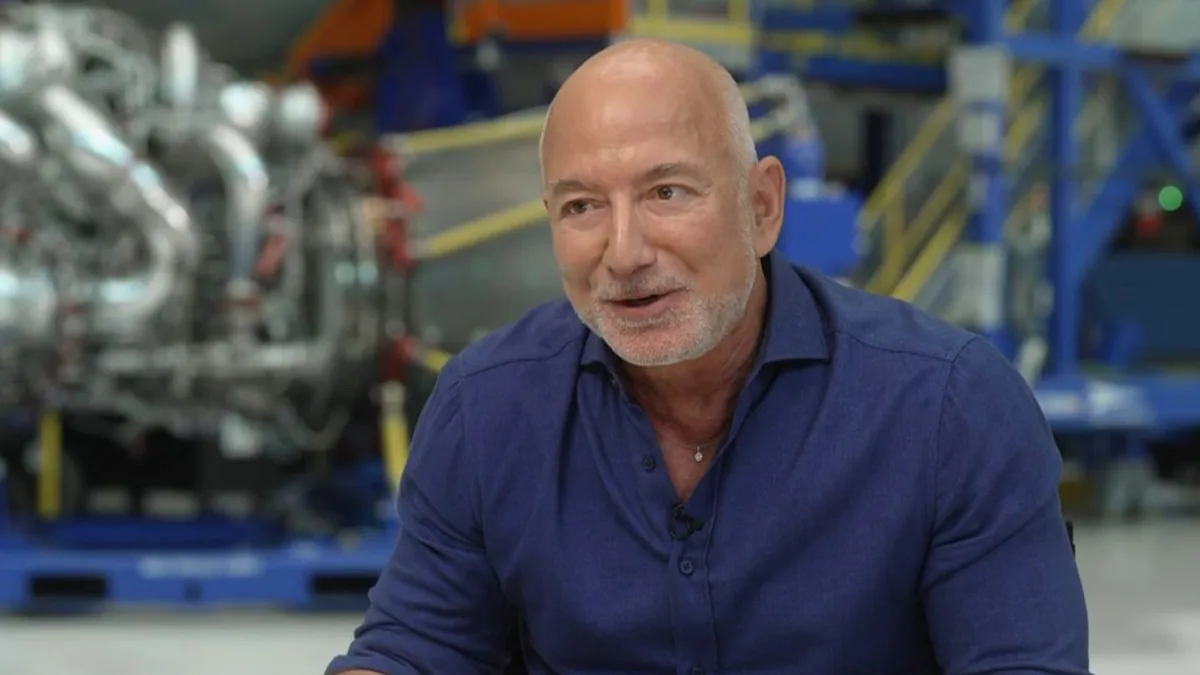
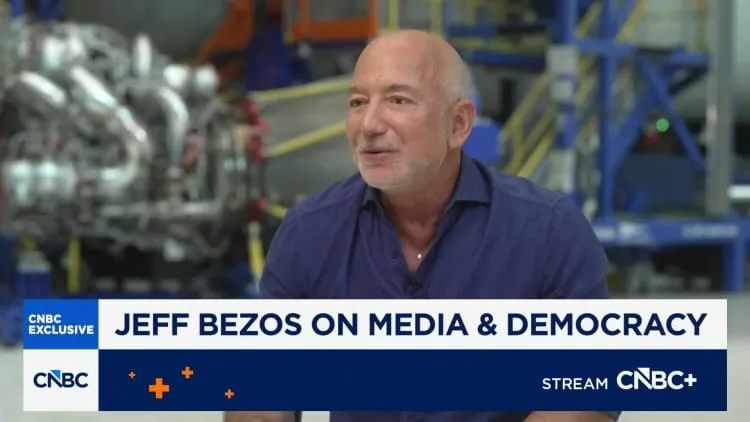
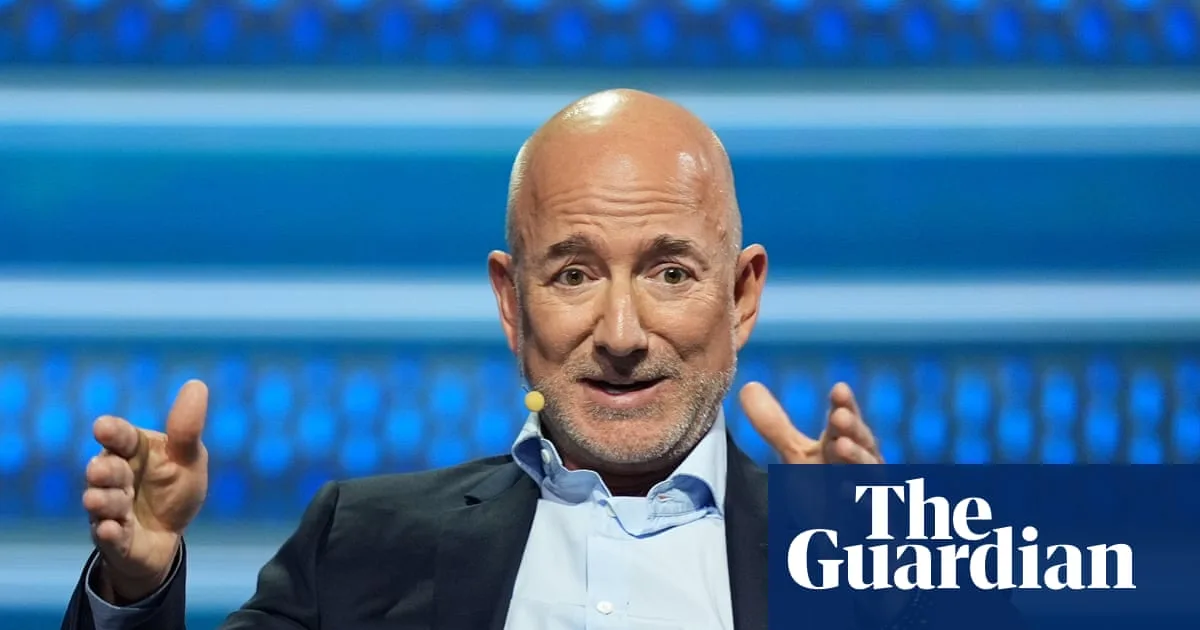
The documentary earned only $16.7 million worldwide at the box office, failing to recoup production and marketing costs [1]. However, Amazon said streaming data showed the film was among its most-watched titles, though this figure carries medium confidence [1]. Jeff Bezos publicly defended the purchase in a CNBC interview during the week of May 20, stating, "By the way, it appears it was a good business decision. It did very well in theaters. It’s done very well on streaming. People are very curious about Melania" [1, 2].
Bezos denied personally being involved in the deal, calling reports otherwise "a falsehood that will not die" and saying, "I had nothing to do with that" [1]. Critics and some media speculated the deal was engineered to curry favor with the Trump administration.
Senator Elizabeth Warren criticized the purchase as a possible pay-to-play arrangement, saying, "The fact that Amazon is seeking favorable treatment from the Trump administration while paying a far-above-market sum to produce and promote the Trump family’s film raises questions about Amazon’s exposure under federal anti-bribery law" [1]. Amazon denied the accusations of bribery, emphasizing the film’s cultural and historical relevance [1].
Bezos also declared, "People sometimes say that, you know, I don't pay taxes. Not true. I pay billions of dollars in taxes" during the same interview [2].
Despite making less at the box office than its combined production and marketing costs, Amazon appears to be banking on strong streaming performance and viewership to justify the investment [1]. The company has yet to release updated financial data on streaming revenue or effects on subscriber growth.
The next notable scheduled event linked to the film is ongoing streaming availability on Amazon Prime Video, where it hopes to sustain viewer interest beyond its theatrical run [1].