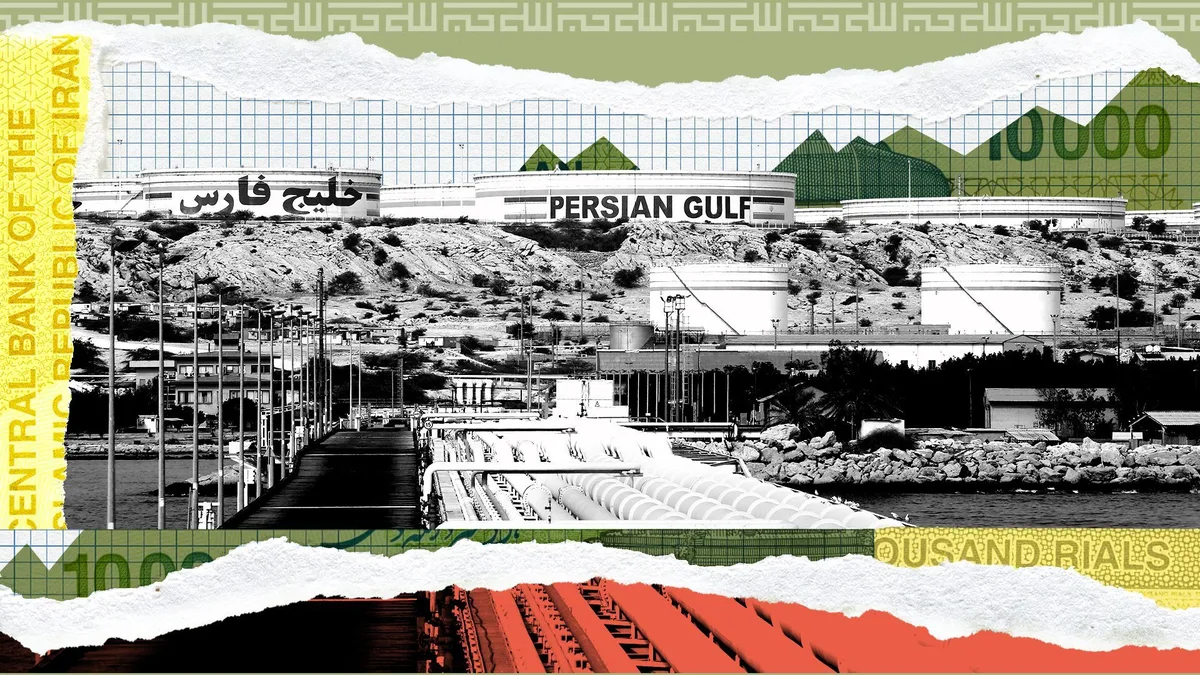
Iran has significant oil storage capacity and access to tankers that could allow it to sustain production for about two months amid a U.S.-led blockade, according to industry sources and analysts [1]. As of April 20, Iran had access to 20 Very Large Crude Carriers (VLCCs), each capable of holding 2 million barrels of oil, which can serve as floating storage units extending production beyond onshore storage limits [1]. Alongside this, Iran maintained about three weeks’ worth of spare onshore oil storage, providing additional capacity to delay production shut-ins [1].
The U.S. blockade of Iranian oil exports started in mid-April 2026, aiming to halt Iran’s crude sales and restrict revenue flow [1]. However, estimates that Iran had only two weeks of storage at the blockade’s outset are now considered too low. Industry sources say the actual capacity and tanker availability suggest Iran can sustain production and shipments for up to two months [1].
Iran’s Islamic Revolutionary Guard Corps reportedly has alternative ways to generate revenue, including smuggling oil overland and by using small tankers. These routes could supplement income even if maritime exports face increasing restrictions [1].
Meanwhile, U.S. Treasury Secretary Scott Bessent stated that Iran has begun shutting in oil production as a result of the blockade and sanctions, describing these combined measures as a significant pressure tactic on Iran’s energy sector [1]. Other analysts counter that Iran’s extended storage capacity and alternative export methods could delay or reduce the need for immediate production cuts [1].
The differing views center on how quickly Iran’s available storage runs out and whether production shut-ins have already started. While Bessent’s comments indicate some cutbacks, the evidence of tankers and onshore storage suggest Iran retains flexibility to export crude for weeks or possibly months [1].
The next key development will be monitoring Iran’s production levels and shipment volumes in the coming weeks to determine how long it can sustain exports despite the blockade.