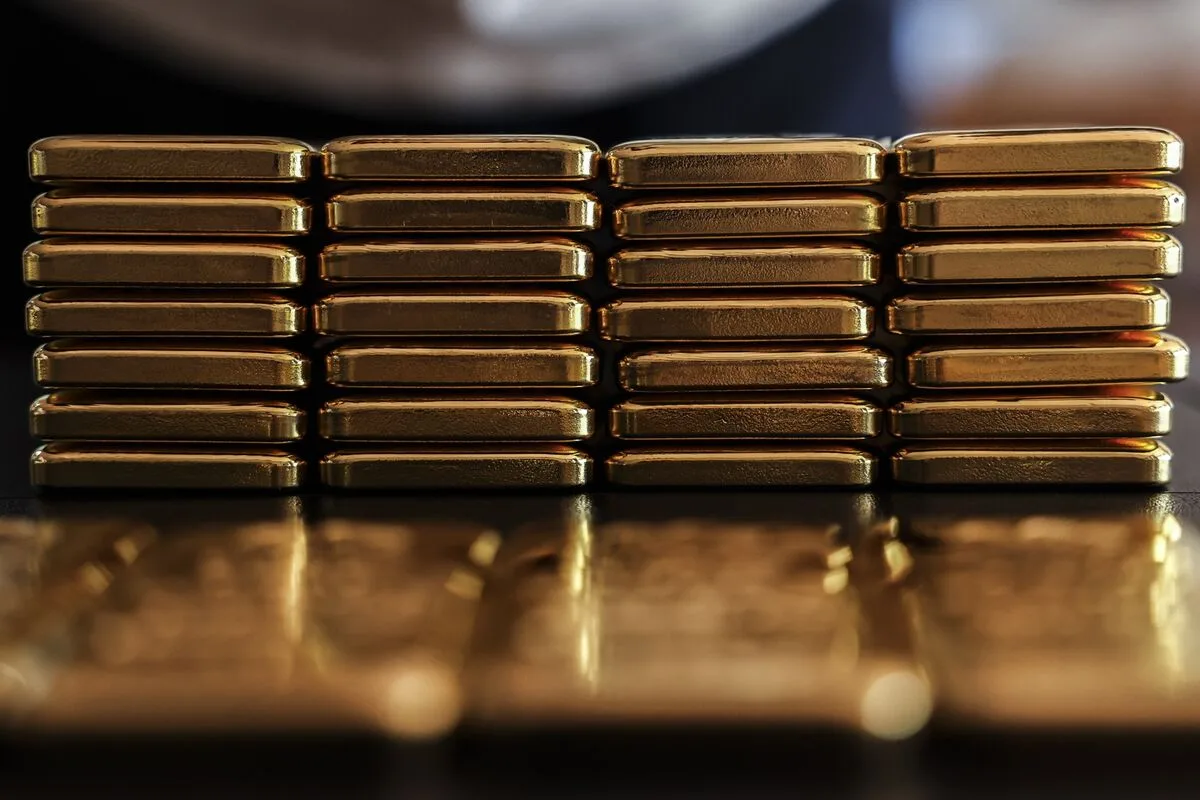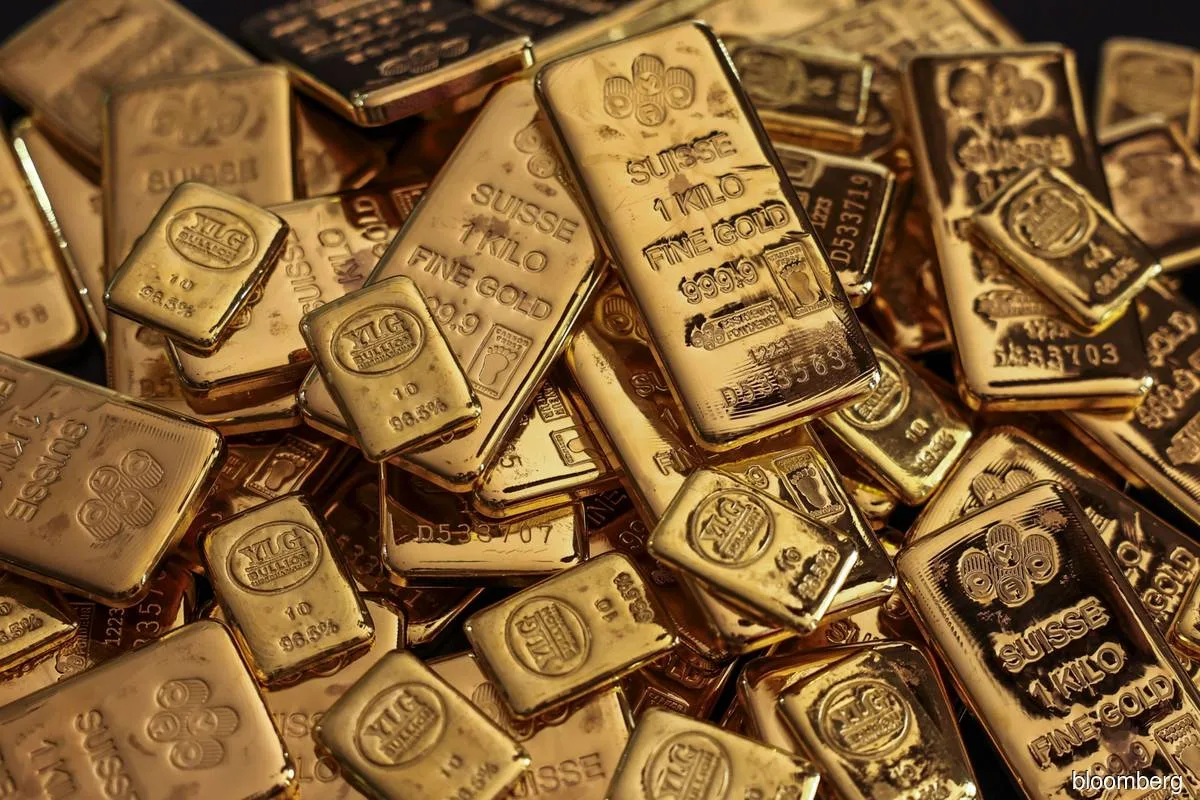
Gold prices fell below $4,000 per ounce in late June 2026 for the first time since November 2025, marking a nearly 29% drop from the record high near $5,594 reached in late January 2026 [1, 2, 3, 4]. The drop came amid a stronger US dollar, hawkish Federal Reserve signals on interest rate hikes, and reduced geopolitical risks that lowered gold’s safe-haven appeal [1, 2, 5, 3, 4]. Matt Simpson, StoneX senior analyst, said, "Gold is simply in a bearish momentum trade at this point amid a strong US dollar environment" [2]. Kelvin Wong, Oanda senior market analyst, added, "The rapid repricing of the hawkish Fed created a strong bullish momentum in the US dollar, which eventually led to this significant downward drift in gold prices" [6].
Silver also dropped sharply during the same period, falling below $60 per ounce for the first time since December 2025 [1, 2, 3]. The US Dollar Index held steady near 101.5-102, close to a 13-month high, supported by the Fed's hawkish stance and relatively strong US economic data [2, 5, 7]. Geopolitical tensions eased with a tentative interim peace agreement in the US-Iran conflict and resumed traffic through the Strait of Hormuz, helping reduce energy price pressures and inflation expectations [2, 3, 4, 7].
US inflation data showed personal consumption expenditures (PCE) inflation rose modestly by 0.4% in May, somewhat tempering market bets on aggressive Fed hikes. This caused a brief gold rebound above $4,000 on June 25, before gold extended losses to a near seven-month low below that level later that day [8, 9, 10, 11, 2, 5]. Despite some easing in rate hike pricing, markets still assign a 59%-67% probability of a September Fed hike and about an 80% chance of a December 2026 hike [2, 6, 12, 7].
Gold remained on track for a fourth consecutive weekly decline, the longest losing streak since August 2023, as investors exited winning growth trades amid market uncertainties. Saxo Markets strategist Charu Chanana said, "When crowded growth trades come under pressure, investors often sell what they can, not just what they want. Gold has been a big winning trade for much of the past year, so it can become a source of cash when portfolios need to de-risk" [8, 6, 12, 11, 7].
Some analysts maintain a longer-term bullish view. Independent analyst Jesse Colombo said, "We are not entering a long-term bear market for precious metals but remain in a long-term bull market. The past five months’ correction looks more like a cycle adjustment than a bear market" [12]. However, many Wall Street analysts expect gold to stay under pressure near term due to high rates and a strong dollar [12, 5, 3].
The upcoming US nonfarm payroll report, expected July 2, is likely to influence market expectations for Fed policy and gold prices [12].