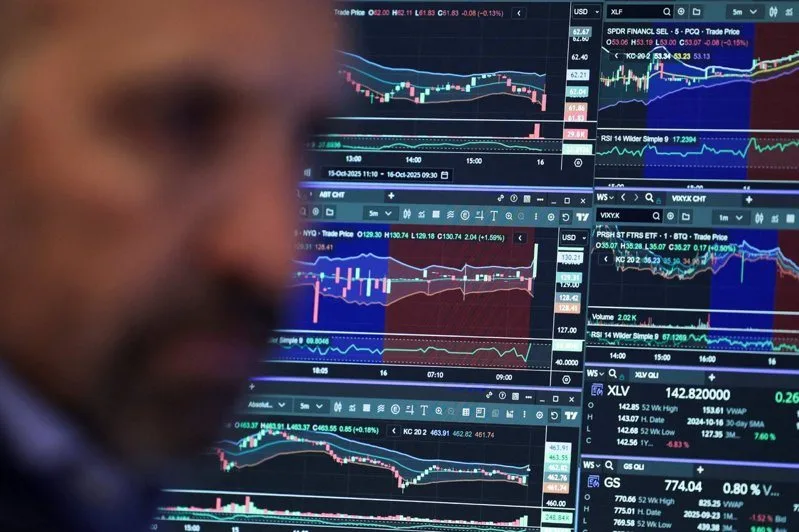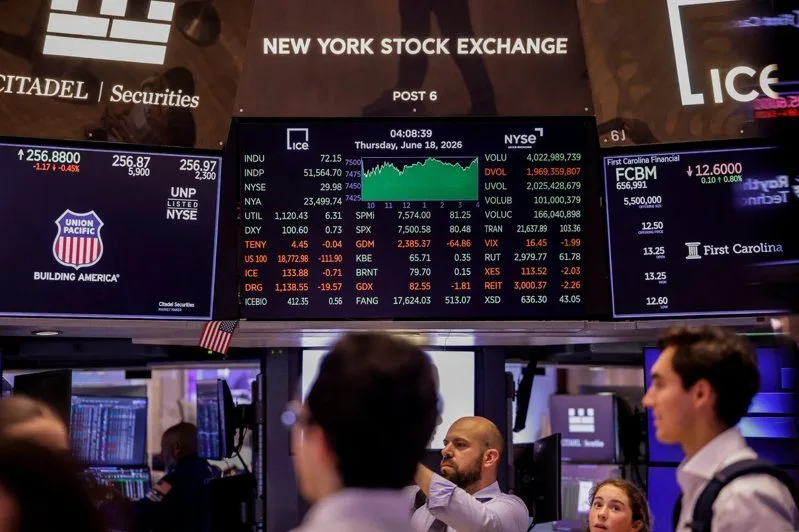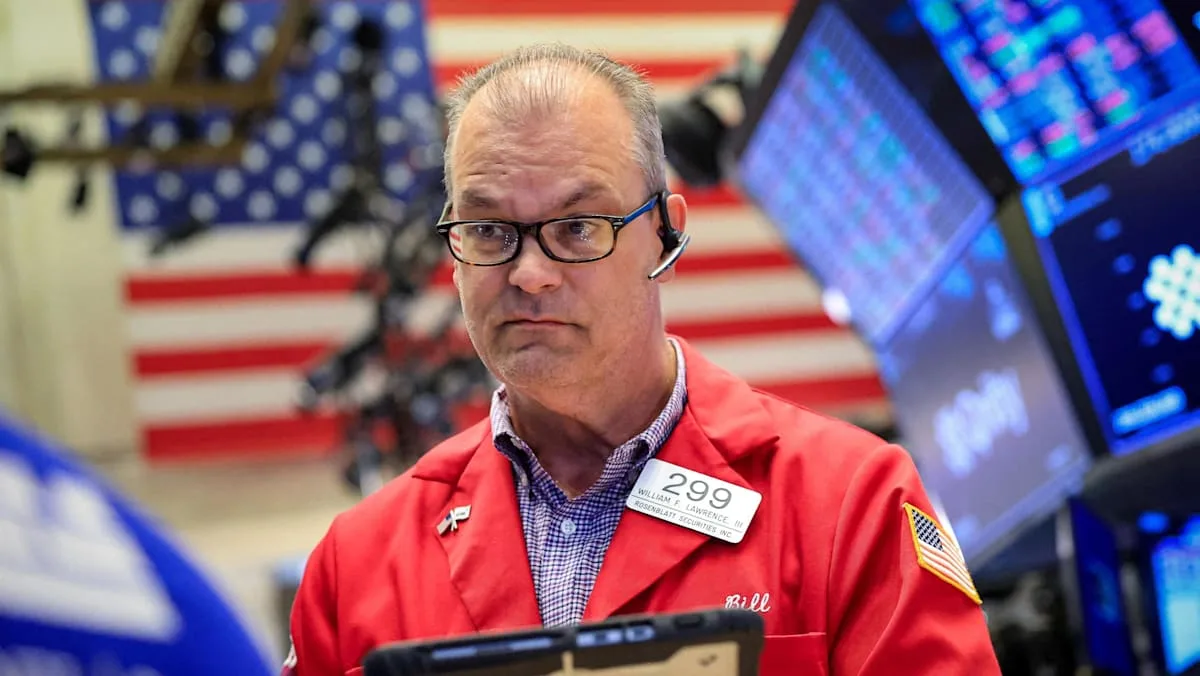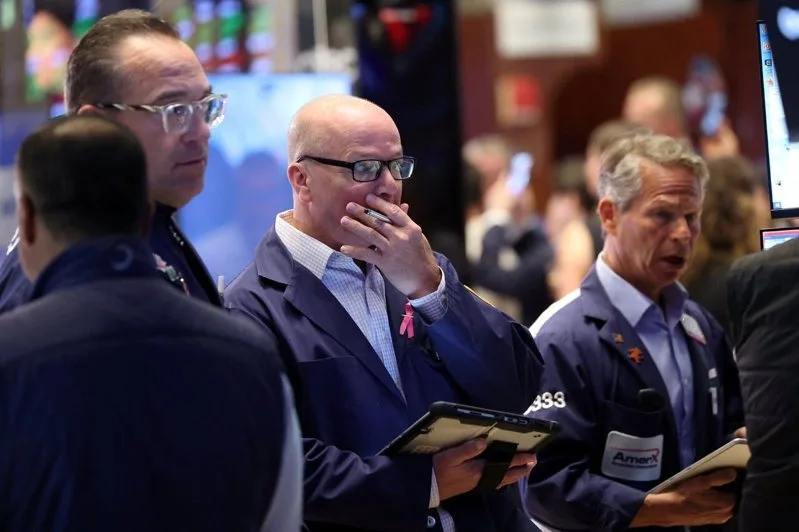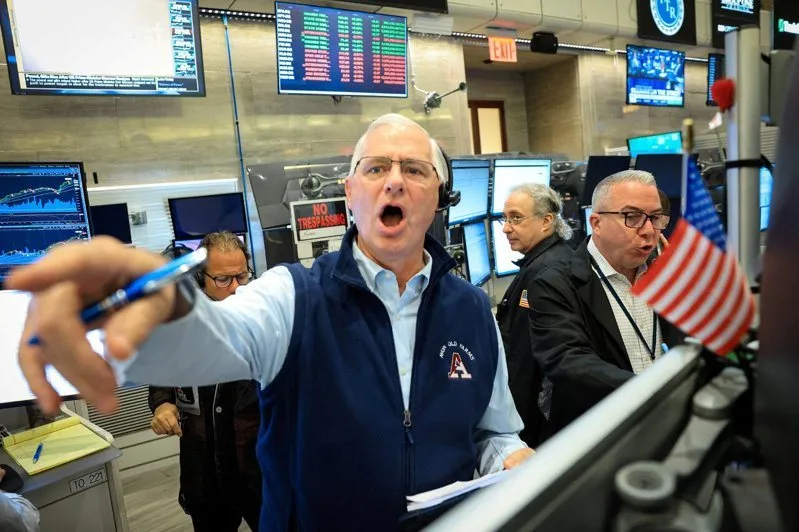
Global technology shares experienced sharp declines on June 22 and 23, 2026, as investors reacted to fears of imminent Federal Reserve interest rate hikes and heavy corporate borrowing for artificial intelligence infrastructure projects [1, 2, 3]. The Philadelphia Semiconductor Index dropped nearly 8% on June 23, with major chipmakers including Micron, Nvidia, TSMC ADR, SK Hynix, Samsung, and SanDisk suffering losses ranging between 3% and 11% [1, 3, 4]. The Dow Jones Industrial Average, S&P 500, and Nasdaq Composite also fell, with the Nasdaq losing about 2% and the Dow dropping 0.6% in early trading [1, 3].
Leading U.S. tech giants Alphabet, Amazon, Apple, Meta, Microsoft, Tesla, and Nvidia — collectively known as the "MAG7" — officially entered correction territory, down at least 10% from recent highs on June 23 [5, 6]. Market sellers cited mounting concerns over rising AI capital expenditures and persistent inflation. Wall Street strategist Tom Lee from Fundstrat said, "Yield has become a resistance; the market expects more Fed rate hikes from now until year-end" [1]. He added historically, steep semiconductor sell-offs like this tend to be buying opportunities, with an 88% chance for gains within 1-6 months [4].
SpaceX shares plunged over 16% on June 22 and fell below their $150 IPO price on June 23 after the company announced a $20 billion investment-grade corporate bond offering to fund AI infrastructure [1, 2, 7]. Ipek Ozkardeskaya, senior analyst at Swissquote Bank, said SpaceX’s bond issuance "reawakened investor concerns over tech companies' heavy borrowing for AI" [1]. Meanwhile, Micron’s shares rose nearly 7% on June 22 ahead of expected earnings, with analysts projecting EPS of $20.83 and revenue near $35.75 billion for Q2 2026 [8, 9, 7].
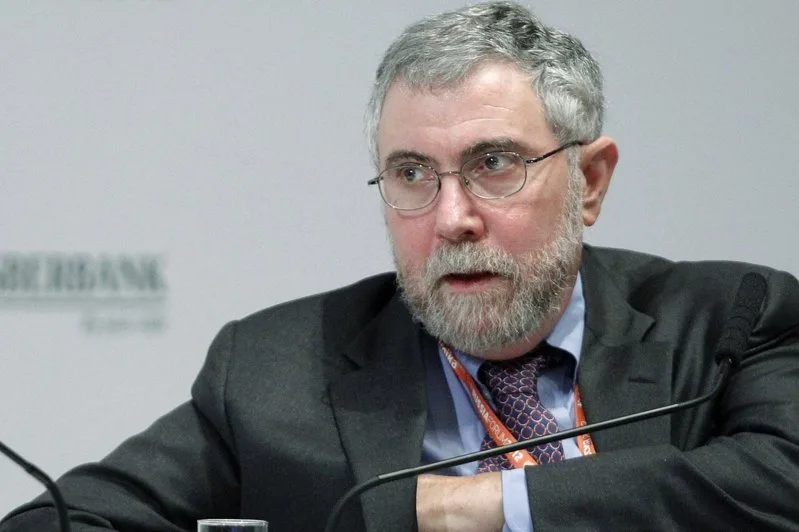
Economist Paul Krugman described the semiconductor sell-off as a "quasi-bubble quasi-bursting," calling it a sign of excessive market enthusiasm and social delusion around AI rather than a fundamental crash [10]. Microsoft CEO Satya Nadella echoed caution on AI spending, urging adoption of cheaper AI models to reduce costs and slow the pace of infrastructure investment [10]. Wall Street fund manager Rogers said the correction among major tech stocks "is a healthy sign of market rotation, not a rush to exit" [5].
On June 24, U.S. stock indices rose in early trading ahead of Micron’s earnings release, although the Philadelphia Semiconductor Index remained volatile. Meanwhile, global oil prices fell below key levels, with Brent crude dropping under $75 and West Texas Intermediate below $70 amid easing Persian Gulf tensions. Gold prices also declined to below $4,000 per ounce [8, 9].
Taiwan’s stock index rose 2.75% on June 22 to a record high, driven by electronics and AI supply chain strength, including TSMC hitting a new peak price [7, 11]. Nvidia held its 2026 shareholder meeting on June 25 amid ongoing AI-driven stock gains and semiconductor supply chain momentum [7, 11]. Alphabet is set to replace Verizon in the Dow Jones Industrial Average on June 29 [8].