A global selloff of technology stocks occurred on June 22 and 23, 2026, impacting markets worldwide [1, 2, 3, 4, 5, 6, 7]. South Korea's Kospi Index fell 10% from a record high on June 23, prompting a 20-minute trading halt as losses intensified [1, 2, 4]. The decline in South Korea was largely driven by chipmakers Samsung Electronics and SK Hynix, whose shares each plunged more than 10% [2, 4]. SK Hynix is reportedly slowing its expansion of AI memory chip production and shifting focus toward cheaper commodity DRAM [4].
US technology stock futures dropped sharply on June 23, with S&P 500 futures down about 1.3% and Nasdaq futures falling over 2% amid the selloff [1, 3, 4]. The Nasdaq 100 index lost more than US$1 trillion in market value during this period [5, 6]. Asian markets also saw declines, with Japan's Nikkei index down 3.55% and Hong Kong's Hang Seng Index falling 2.05% on June 23; Singapore's Straits Times Index however rose slightly by 0.2% [4].
Investors are reacting to concerns over high valuations in AI-related technology stocks, extensive debt-funded spending by hyperscalers, and expectations that the Federal Reserve will take a more hawkish stance on interest rates [1, 2, 4, 5, 6]. Jian Shi Cortesi, fund manager at Gam Investment Management, said many investors holding large gains in AI stocks may reduce positions amid jitters, and tech stocks remain sensitive to interest rate outlooks and potential Fed hikes [4].
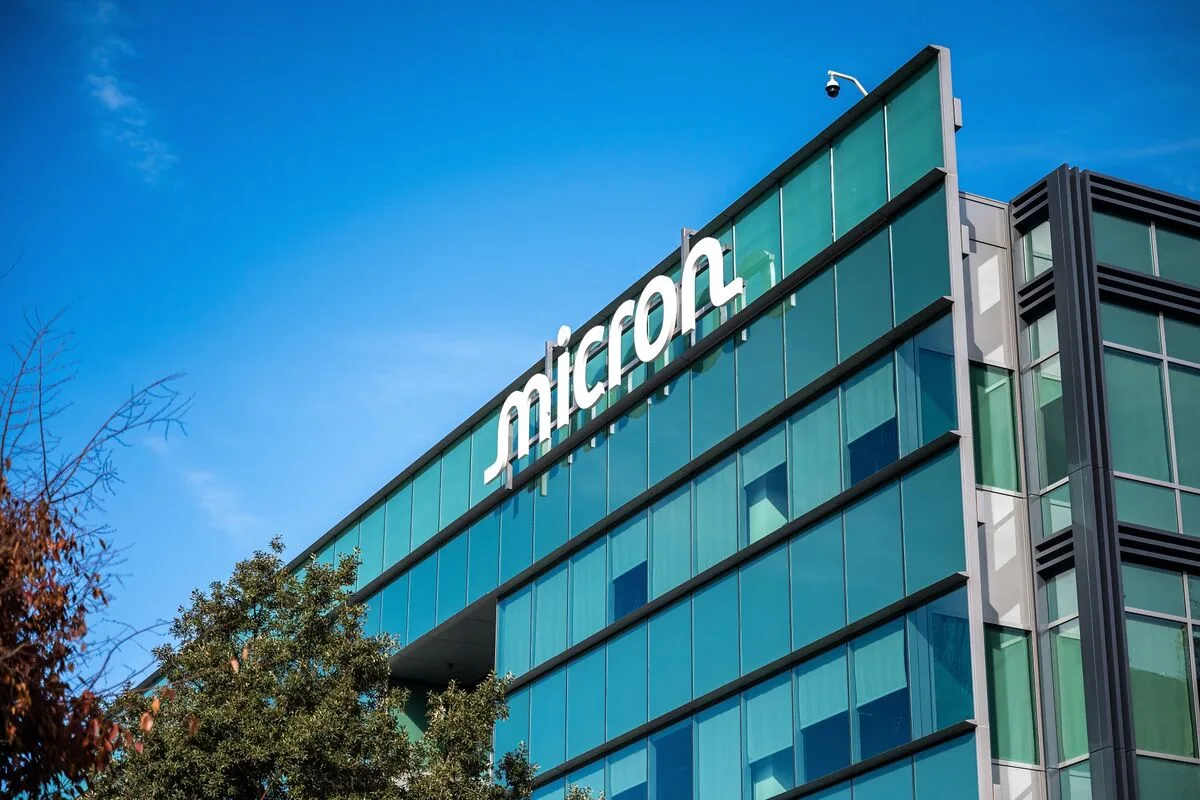
After the selloff, on June 24, 2026, S&P 500 and Nasdaq futures edged higher as technology stocks stabilized and investors awaited Micron Technology's upcoming earnings report [5, 6, 7]. Micron shares rose about 3.8% in premarket trading June 24 after steep losses the previous session; the stock has gained about 268% this year [5, 6]. Jay Woods, Chief Market Strategist at Freedom Capital Markets, said Micron represents the rally but warned the stock has often fallen after earnings despite strong results [5]. Brent Schutte, CIO at Northwestern Mutual Wealth Management, noted Micron's earnings are central to market sentiment given questions about AI's costs and returns on investment [6].
The selloff began June 22 with declines in US tech shares including SpaceX, continuing into June 23 when global losses extended to South Korea and Europe [4, 1, 2]. On June 24, stocks stabilized while investors awaited further earnings signals, particularly from Micron Technology [5, 6, 7].