Thirty-four percent of global fund managers surveyed by Bank of America in early May 2026 say that capital spending by AI hyperscalers is the most likely source of a future systemic credit event, doubling from the previous month [1, 2]. This marks a significant shift in investor concerns, as US private credit remained the top credit risk for 42% in May, down from 57% in April [1, 2].
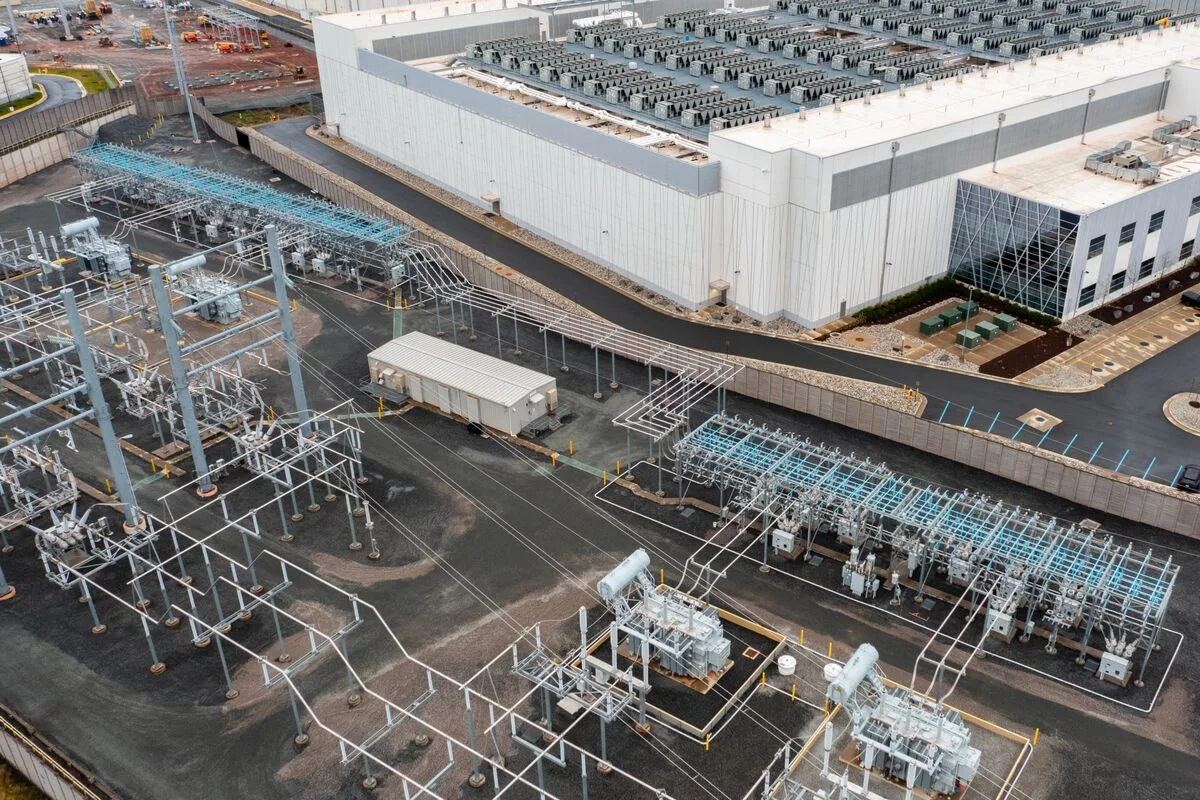
Since early 2025, technology companies have poured more than $300 billion into expanding AI-related infrastructure, driving rapid growth in AI data centers [2]. The scale and speed of AI financing have raised worries about potential credit risks and the chance of a market shock in the financing markets tied to these projects [1, 2].
Market experts warn that excessive investor crowding and overreliance on AI growth narratives could amplify downside risks. JPMorgan’s David De Boltz said, “從我們觀察到的融資規模來看,確實呈現指數級成長,所有人都在盤算資金該投向哪裡,又該預留多少現金,” highlighting challenges in capital allocation amid exponential financing growth [2].
The Bank of America survey conducted between May 1 and May 10 found the jump in fund managers citing AI hyperscaler spending as a top systemic credit risk was the most striking data point [1, 2]. This doubling underscores growing concern over debt taken on to fund AI infrastructure as a potential source of financial instability.
Industry participants will watch closely how these credit risks evolve as AI investments continue at scale. The next industry reports on credit markets and fund manager sentiment are expected in the coming months, providing further insight into emerging risks tied to AI data center borrowing.