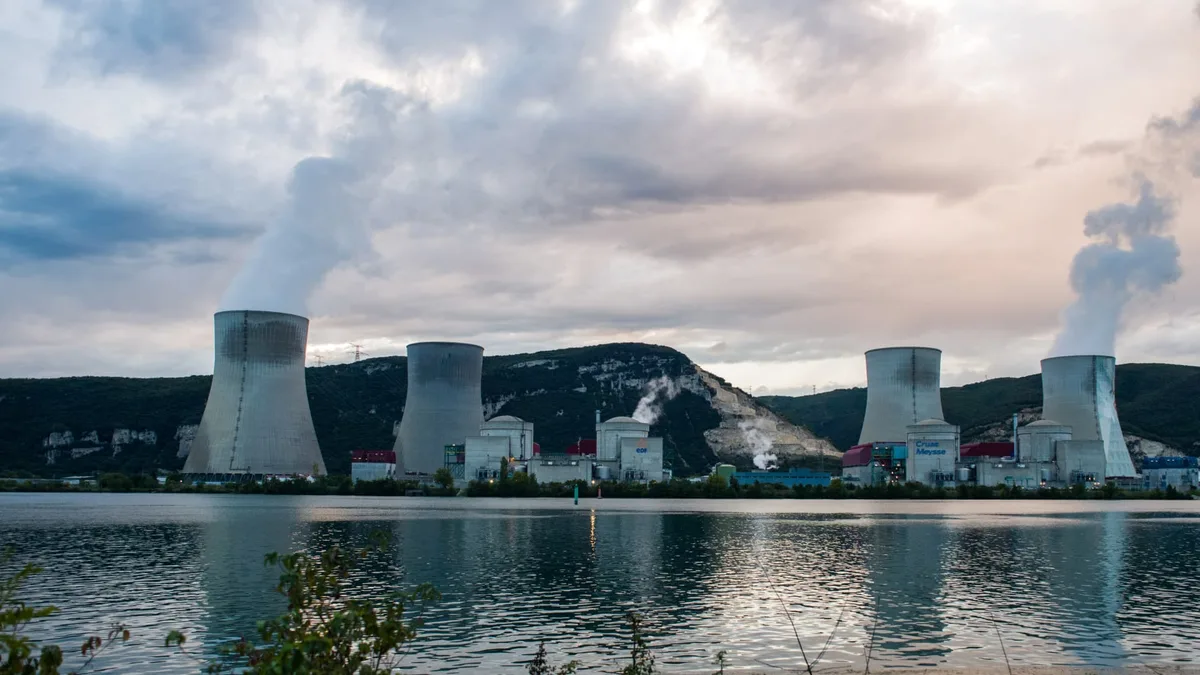
Europe is weighing a bigger role for nuclear power after the U.S.-Iran war and the closure of the Strait of Hormuz exposed how dependent the region remains on oil and gas imports. Analysts say nuclear could give Europe a steadier, low-emission power source as governments look for ways to cut supply risk. [1]
Europe has long been cautious about nuclear energy because of high upfront costs, waste disposal problems and the memory of past accidents. Even so, the pressure from disrupted energy flows has revived the case for reactors as a buffer against import shocks. [1]
Fatih Birol, the International Energy Agency chief, said nuclear power would get a "boost" from the supply crisis and urged governments to bolster resilience with alternative energy sources. Chris Seiple, vice chairman at Wood Mackenzie, said: "I think nuclear has to play a big role in solving this problem for Europe." [1]
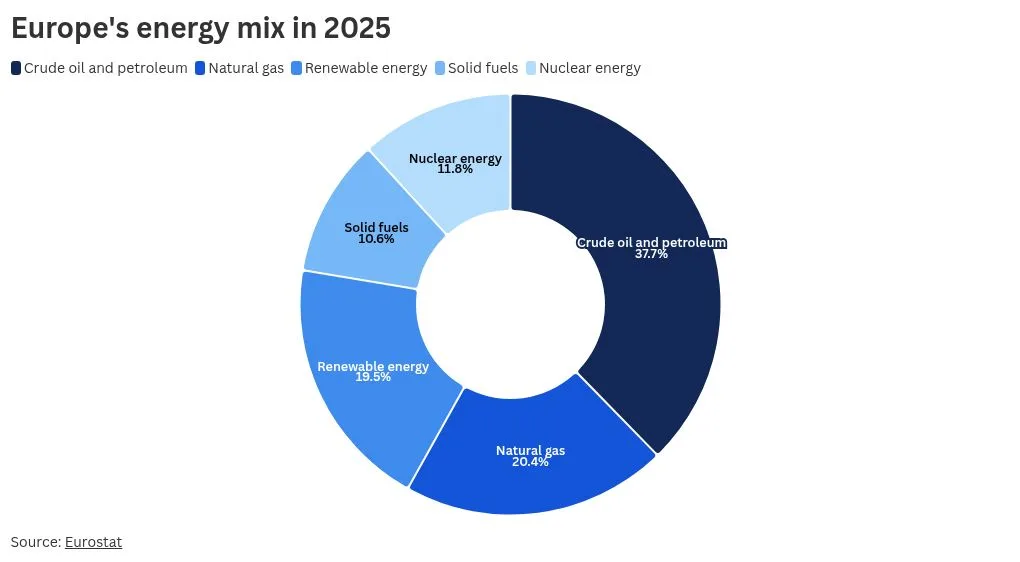
The numbers show why the debate matters. Nuclear power accounted for 11.8% of Europe’s energy mix in 2025, while oil and gas made up more than one third. France gets over 60% of its energy from nuclear power and has much lower power prices than Germany, said Michael Browne, a strategist at Franklin Templeton, who said: "It's expensive but very efficient, as France has shown. French energy prices are significantly lower than German prices." [1]
South Korea is also shifting away from oil toward nuclear and renewables, treating the Iran war as a turning point. Climate Minister Kim Sung-hwan said nuclear and renewables will form the "two central pillars" of future energy supply. [1]
The supply shock has sharpened the debate in Europe, where policymakers face pressure to reduce exposure to imported fossil fuels. [1]