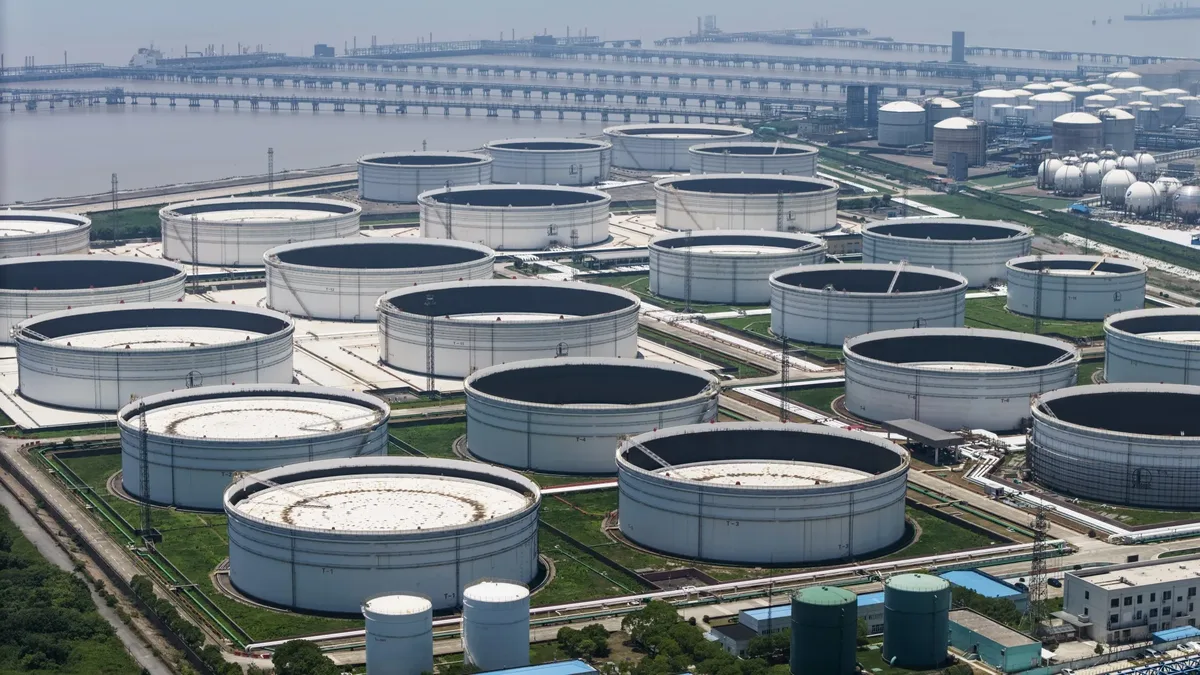
The United States sanctioned one of China's largest private oil refiners in late April 2026 due to its oil purchases, marking a sharp escalation in pressure on Beijing's private energy sector [1]. Following the sanctions, the US intensified warnings against banks and companies involved in China's oil refining industry in early May 2026 [1].
China has responded with what US sources describe as unprecedented defiance to the sanctions, signaling a firm stance against Washington's attempts to curb its oil imports and refining capabilities [1]. The sanctions and China’s resistance have complicated plans for a scheduled meeting next week between US President Donald Trump and Chinese President Xi Jinping [1].
Officials say the sanctions target key Chinese entities to disrupt the flow of oil that supports the country’s industrial growth. The US move also serves as a warning to financial institutions globally that do business with Chinese refiners, seeking to isolate the sector from international capital and trade networks [1].
The coming summit between the two leaders was initially viewed as a platform to ease tensions on trade and other issues. However, the oil sanctions and China's response have introduced new challenges to diplomatic negotiations [1].
Observers note that the US stance reflects growing concerns over China's expanding energy security strategies amid global geopolitical shifts. The sanctions were followed swiftly by threats targeting supporting firms to amplify pressure on the Chinese refining sector [1].
The US and China are set to meet next week to discuss a range of issues, with the oil sanctions likely topping the agenda. The talks will reveal how the leaders intend to address the sanctions dispute and whether any agreements can be reached amid rising friction [1].