On June 23, 2026, UN Secretary-General Antonio Guterres demanded major AI companies publicly disclose the full environmental costs of their data centres, including water, carbon, and land use, during London Climate Action Week in London [1, 2, 3]. He launched the UN AI Environmental Transparency Initiative to promote accountability and encourage firms to commit to using 100% renewable energy in their data centres by 2030 [1, 2, 3].
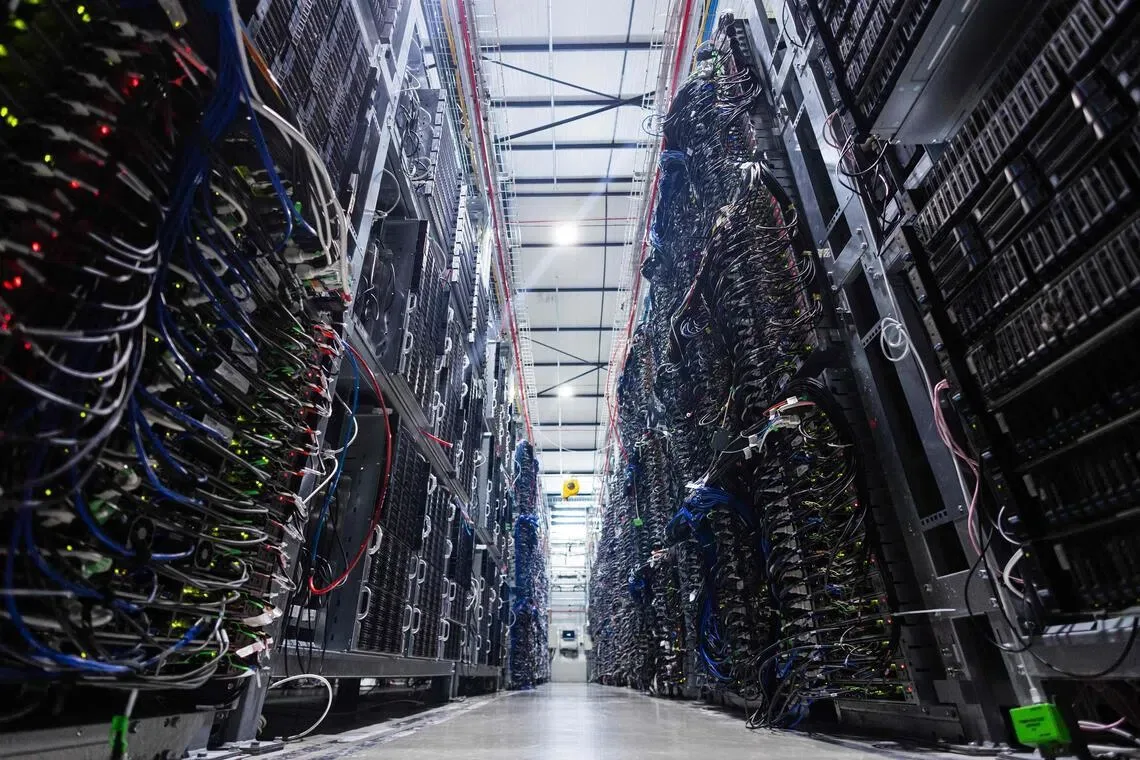
Guterres warned that by 2030, AI data centres could consume more power than all but five countries worldwide and use enough water to meet the needs of all 1.3 billion residents of sub-Saharan Africa for a full year [1, 2, 3]. "If AI is to help build a better future, it must be honest about what it costs us now," Guterres said [1]. Currently, many AI firms rely largely on voluntary net-zero pledges and renewable electricity targets, while some still use gas or nuclear power for new projects [1, 2].
The secretary-general also criticized renewed calls for increased fossil fuel usage. He urged the fossil fuel industry to address methane leaks, end routine flaring, and adopt scientific methane emission standards, noting methane accounts for about one-third of current global warming [1, 2]. "I am urging the fossil fuel industry to step up and do what is long overdue," Guterres declared [1].
AI data centres already consumed electricity exceeding that of all but 10 countries in 2025, with forecasts indicating they will rank behind only five countries by 2030 [4]. The UN initiative aims to increase transparency over the environmental impacts of this rapid growth in AI infrastructure [1, 2].
Guterres plans to convene world leaders in September 2026 ahead of COP31 in Turkey to push for a just transition away from fossil fuels, signaling an intensified global effort on climate and energy issues [1, 2, 3].