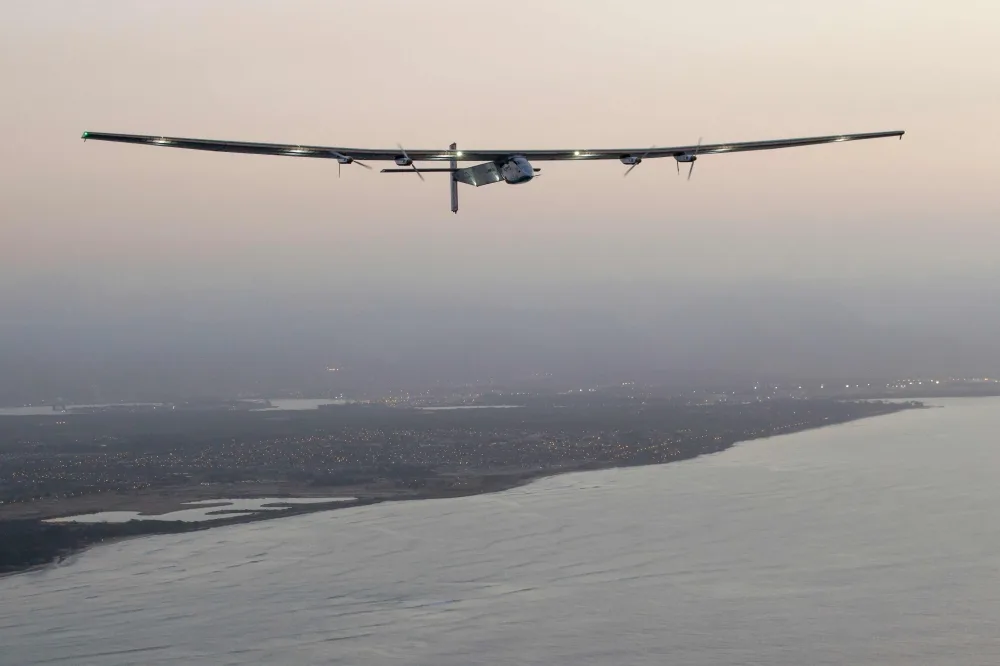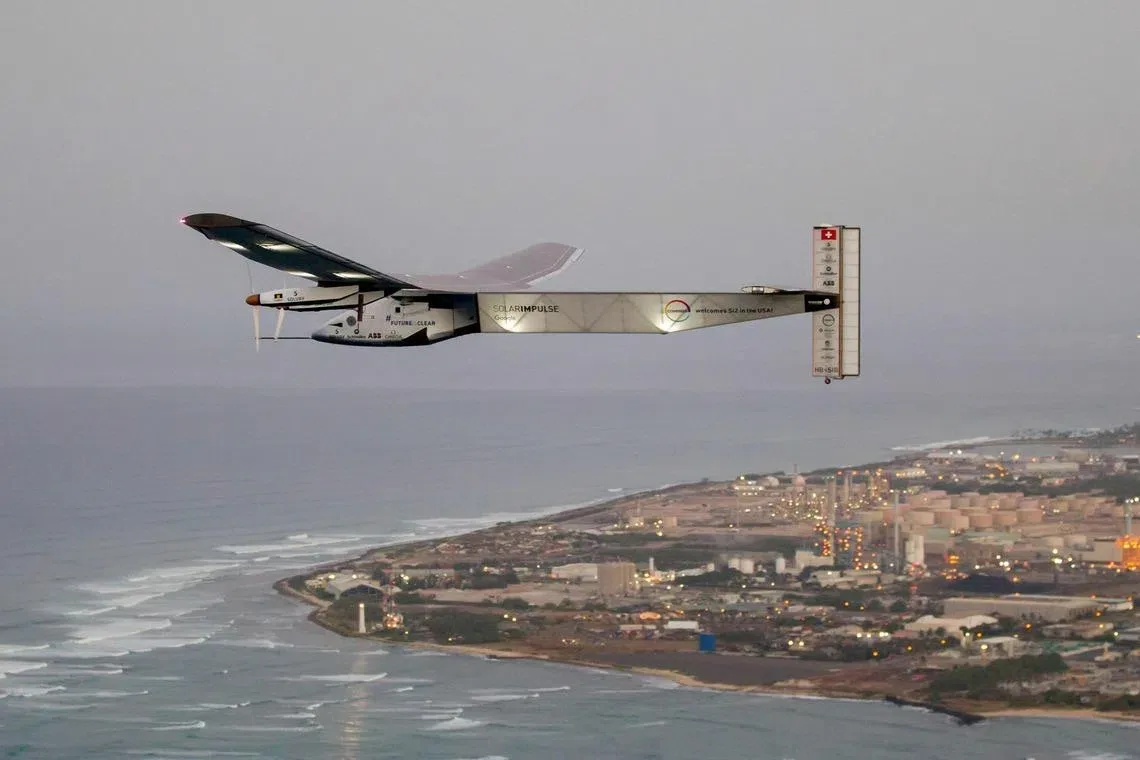
Solar Impulse 2, the solar-powered aircraft famed for its 2016 global flight without jet fuel, crashed in the Gulf of Mexico on May 4, 2026, after an eight-day drone mission. The drone took off from Stennis, Mississippi on April 26 and was operated by Skydweller Aero, which converted the historic plane into an unmanned vehicle for extended flight tests [1, 2].
The original Solar Impulse 2 completed a 23-day, 17-stage circumnavigation covering 26,700 miles (43,000 km) across continents and oceans without refueling in 2016 [1, 2]. Skydweller Aero acquired the plane three years later and adapted it for autonomous missions relevant to military applications.
The recent flight lasted 8 days and 14 minutes, demonstrating the potential for perpetual solar-powered flight under conditions aligned with a U.S. Navy exercise. Skydweller Aero said, "Ultimately, a record-breaking flight of 8 days and 14 minutes validates the reality of perpetual, solar-powered flight in a military mission-relevant environment" [1].
The drone’s crash on May 4 ended the mission in the Gulf of Mexico. The U.S. National Transportation Safety Board has launched an investigation into the cause of the accident [1, 2].
Skydweller Aero issued a press release on May 12 about the crash and mission results. Media reports followed shortly after, including coverage by the Malay Mail on May 14 [1, 2].
The investigation by authorities continues while the company assesses the flight data and lessons from the end of the mission.