Singapore's Ministry of Transport (MOT) opened a public consultation on May 4 to seek input on a proposed legal and regulatory framework for autonomous vehicles (AVs) that will run until June 30, 2026 [1, 2, 3].
The consultation covers four key areas: responsibility and accountability for AV deployment; compensation and insurance; data and cybersecurity management; and advanced driver assistance and conditional automation systems [1, 2, 3]. MOT identified key players in the AV ecosystem, including technology developers, fleet operators, onboard safety operators, and remote controllers [2, 3].
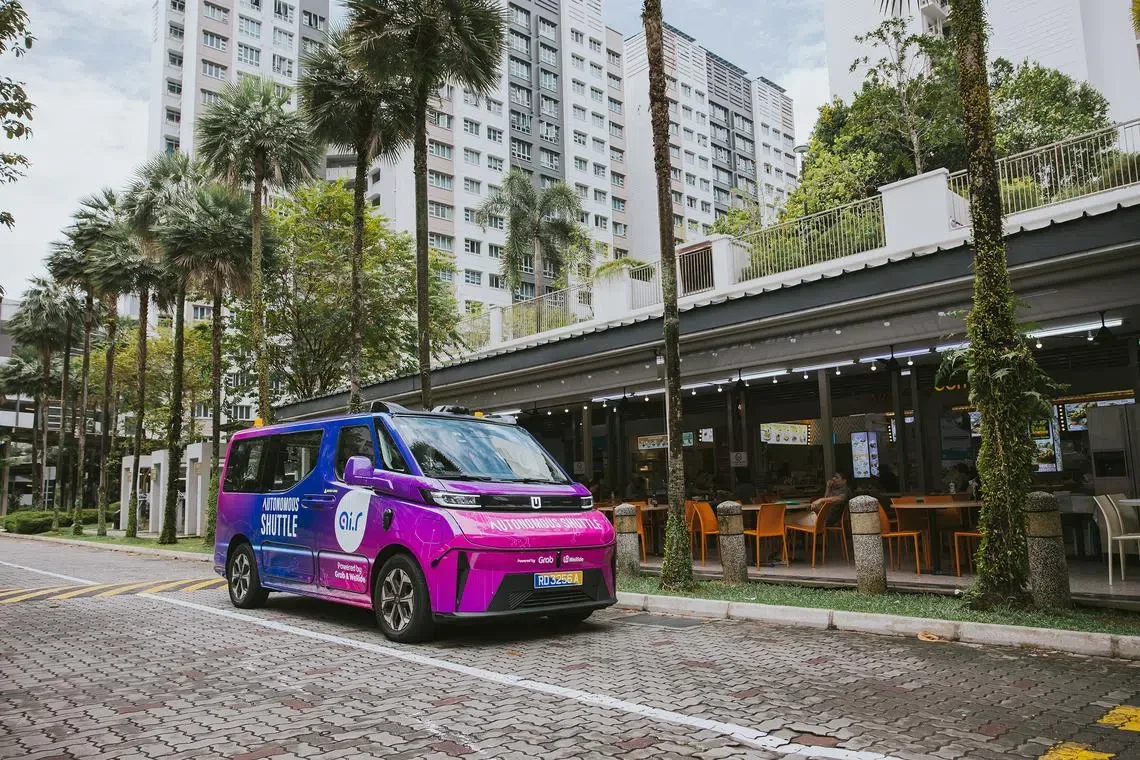
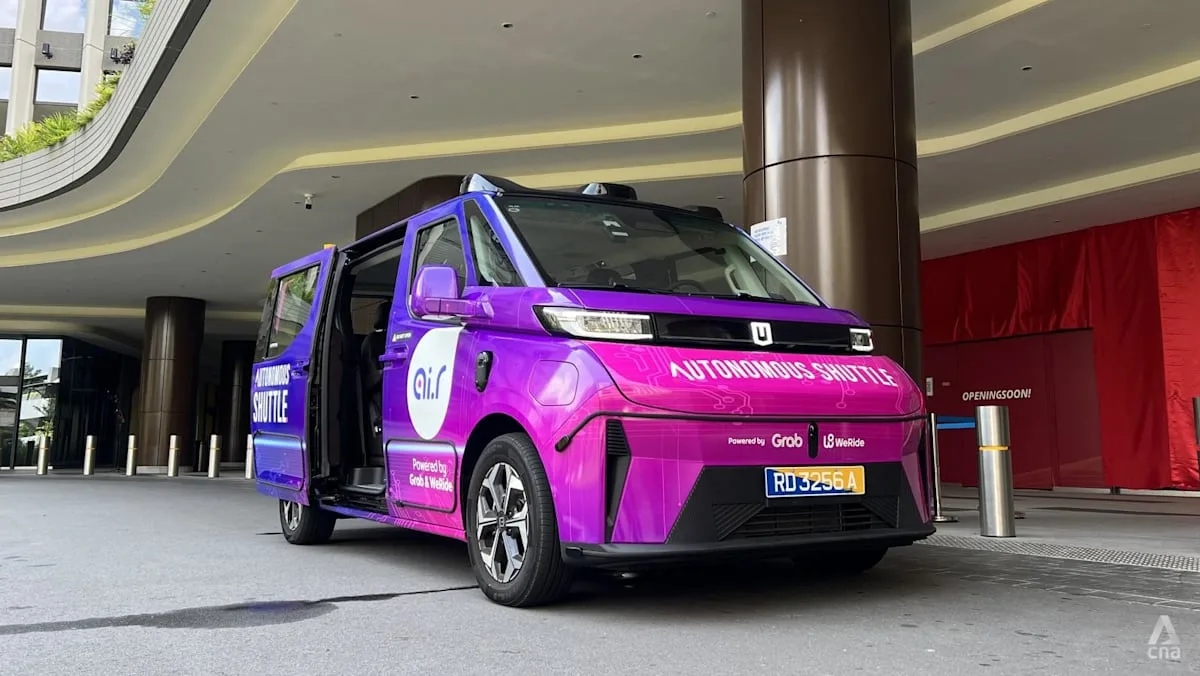
Singapore has been conducting AV tests under a regulatory sandbox and recently launched self-driving shuttle services in the Punggol district following months of trials [1, 2]. Acting Minister for Transport Jeffrey Siow said, "If the Punggol rollout goes well, I intend to expand AV trials to other parts of Singapore, including Sentosa, Tuas and Mandai" [1].
Currently, companies Grab and ComfortDelGro offer autonomous shuttle services in Punggol. Grab plans to start paid shuttle services at a flat fare of 4 Singapore dollars by mid-2026 [2].
The proposed legislation aims to clearly define liability, insurance, safety regulations and enforcement for AV operations. It intends to shift legal responsibility more towards corporate entities rather than individual users or operators [1, 2, 3]. The government plans to draft and table an Autonomous Vehicles Act in Parliament next year, in 2027 [1, 2].