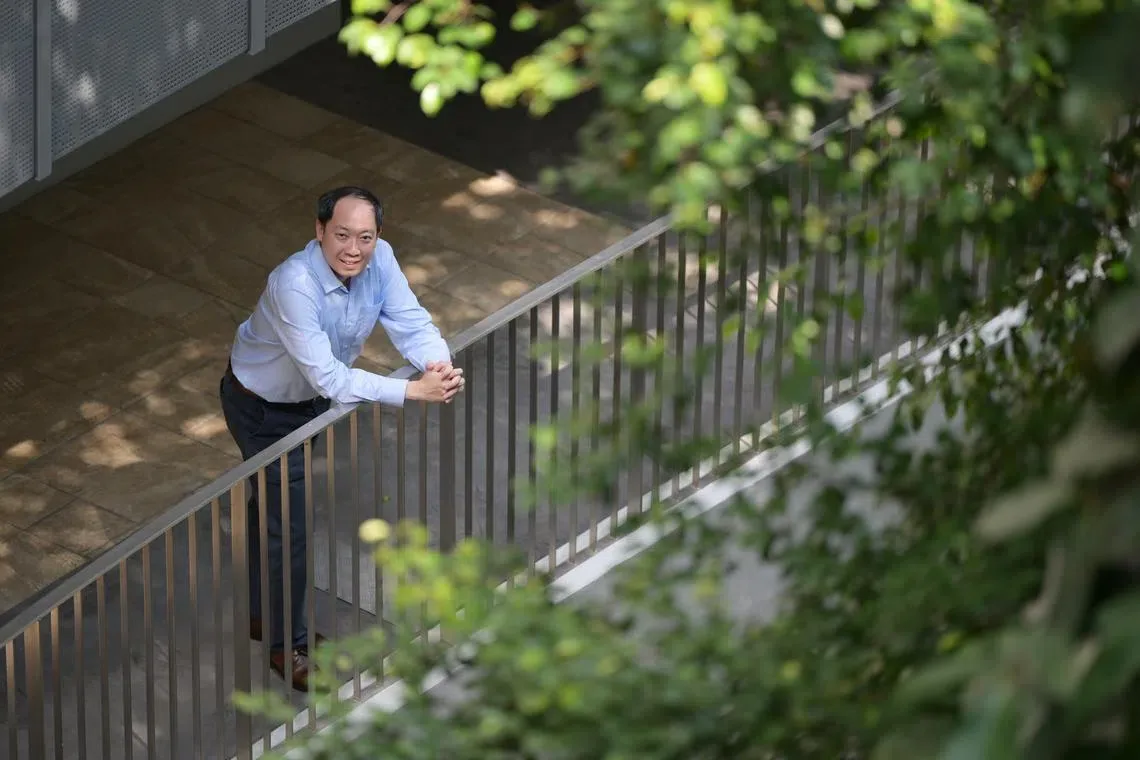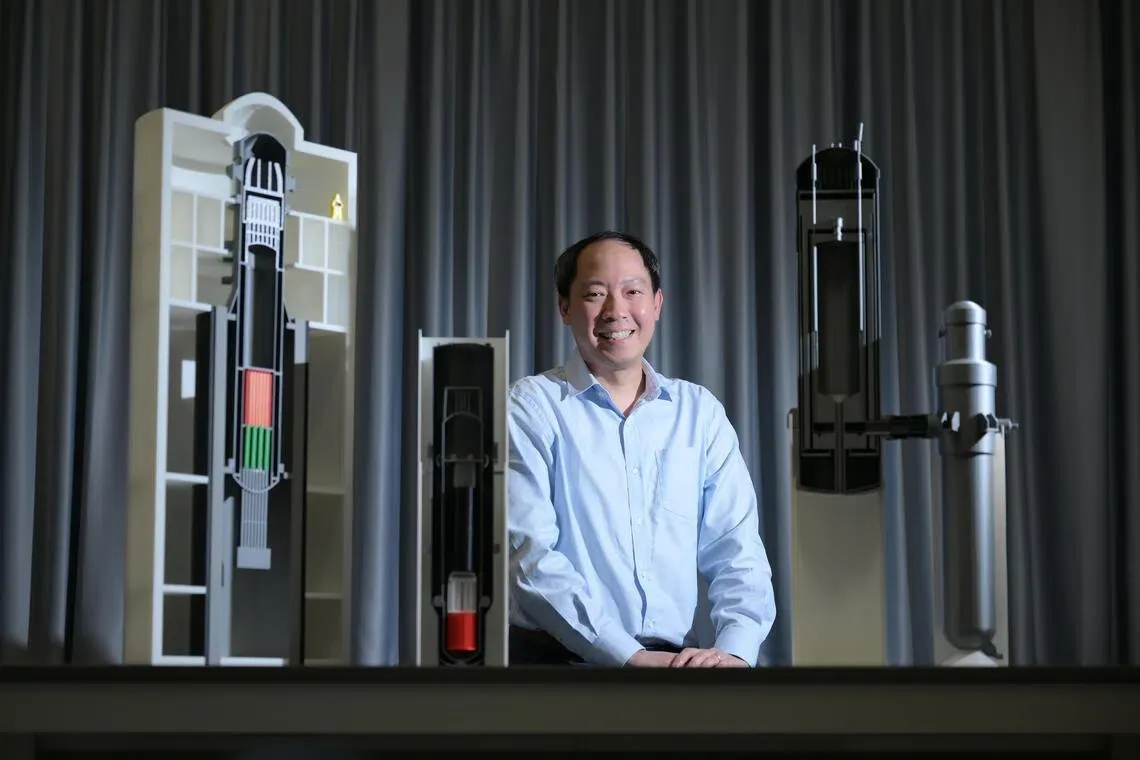
Mr Low Xin Wei was appointed the inaugural chief executive of the Singapore Nuclear Research and Safety Institute (SNRSI) in March 2026 at age 45 [1, 2]. The SNRSI, a 10-month-old institute based at the National University of Singapore (NUS), sprung from more than a decade of nuclear research efforts in the city-state [1, 2]. It officially opened in July 2025 in a five-storey building at NUS under director Chung Keng Yeow [1, 2].
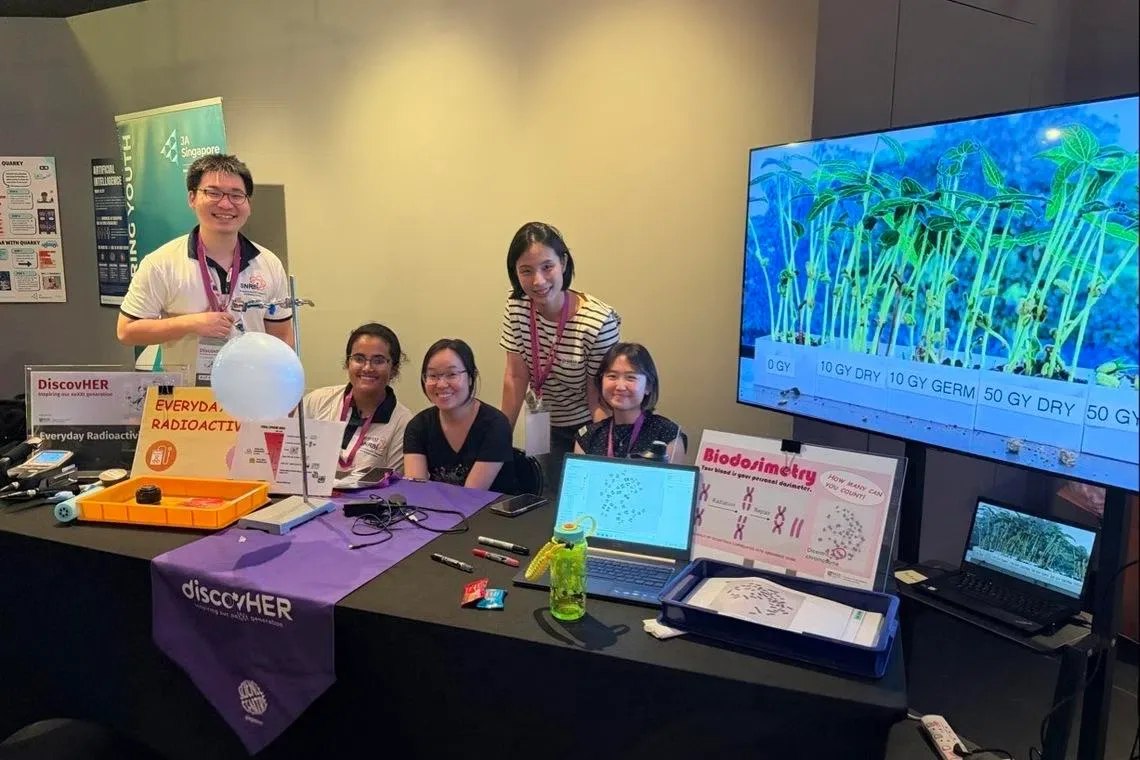
With a research team exceeding 50 experts, SNRSI focuses on advanced nuclear science topics including small modular reactors, radiation effects, and the spread of radioactive particles [1, 2]. Singapore has not committed to using nuclear energy but is actively studying it as an alternative energy source [1, 2].
Low stressed that adopting nuclear technology requires more than scientific breakthroughs. "The energy transition is a tricky business; you not only have to look at the promise behind the technology itself. You have to answer questions like ‘How can it scale?’, ‘How can costs be driven down?’ ‘Will the supply chain work out?’" he said [1]. He cautioned against optimistic assumptions within academia, adding, "In any academic setting, there is this danger of looking at the world through rose-tinted lenses: ‘If my science is sound, downstream adoption shouldn’t be a problem’" [1].
He explained that SNRSI's work must also address real-world factors such as engineering challenges, budgeting, construction timelines, and public education. "SNRSI not only has to produce excellent science, but also perfect real-world issues like engineering constraints, building a plant on time without exceeding budget, and educating the public," Low said [1].
The institute plays a central role in researching the practicalities and risks of nuclear technology for Singapore. The next milestones likely involve further research outputs and informing government policy decisions on if or when nuclear power will be adopted.