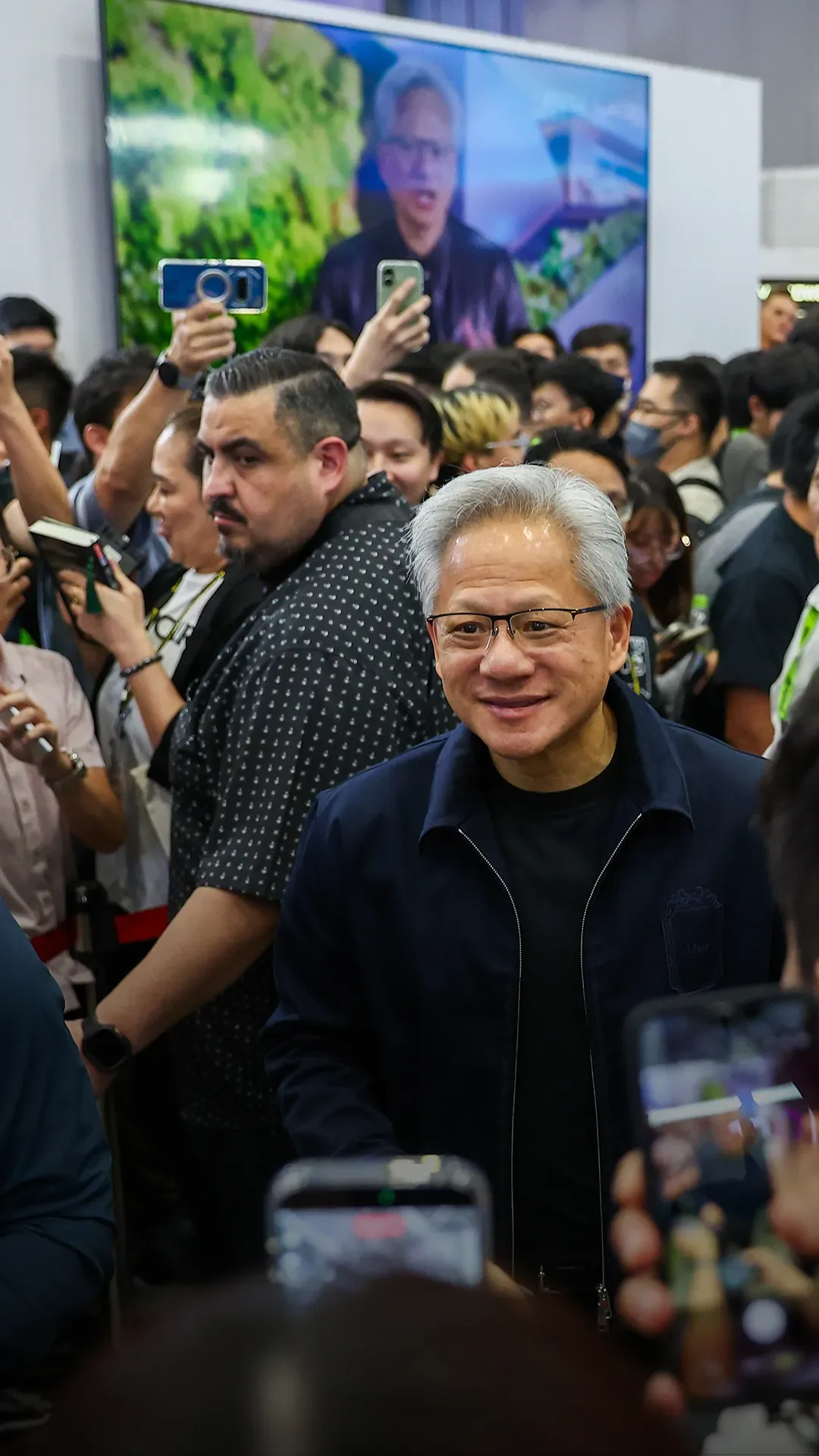
Nvidia CEO Jensen Huang unveiled the RTX Spark, a new AI chip designed for personal computers, at Computex in Taipei on June 1, 2026 [1, 2, 3, 4]. The chip targets Windows PCs and allows them to run personal AI agents, with Huang saying it will "reinvent the PC" as fundamentally as the smartphone reinvented the phone [4, 5].
Nvidia plans to include RTX Spark in laptops and desktops from Lenovo, HP, Dell, Microsoft Surface, Asus, and MSI, with availability from autumn 2026 [4]. The chip uses ARM-based CPUs to create a robust Windows platform tailored to AI workloads [4, 5].
The launch marks Nvidia’s formal entry into the PC chip market, increasing pressure on established laptop chip makers Intel and AMD [2, 3, 4]. Industry observers note the challenge ahead amid complex integration, with one expert saying, "I wouldn’t want to be the first guinea pig. It’s not so easy to have everything just smooth like Apple has managed to do with its laptops" [2].
During his presentation, Huang emphasized generous pay for employees amid ongoing AI profit-sharing debates. He said, "I think people should be paid as much as possible" and "I pay my employees as much as I can. That’s what I do, doesn’t make this right" [6, 7]. He dismissed fears that AI threatens jobs, calling such concerns "nonsense," and said AI will drive revenue, profit, and GDP growth [6, 7].
Also at Computex on June 1, Huang hailed chipmaker Marvell Technology as "the next trillion-dollar company, ladies and gentlemen" [8, 9, 5]. Nvidia invested $2 billion into Marvell this year and counts Marvell as a critical partner for AI infrastructure chips [9, 5]. Marvell designs networking and connectivity chips vital for data centers handling distributed AI computing, with Huang explaining the importance of connectivity when disaggregating computing problems [9, 10].
Following Huang’s endorsement, Marvell’s shares surged over 20% in premarket trading on June 2, 2026, lifting its market cap from $192 billion toward a trillion-dollar valuation [9, 5, 10]. Nvidia itself reached a market capitalization exceeding $5.4 trillion as of June 2 [10].
Huang addressed billionaire investors in a private event in Taipei on June 3, outlining Nvidia’s strong AI returns and reinforcing support for key AI infrastructure partners like Microsoft, OpenAI, Marvell, and TSMC [8, 5]. Meanwhile, TSMC’s annual meeting on June 4 is expected to focus on employee compensation amid rising AI profits [6, 7].
OpenAI is also collaborating with designer Jony Ive on an unnamed AI interaction device, signaling emerging hardware innovations beyond Nvidia’s announcements [2, 3].
The RTX Spark chip will appear in consumer devices this autumn 2026, marking Nvidia’s push to bring native AI capabilities to mainstream Windows PCs.