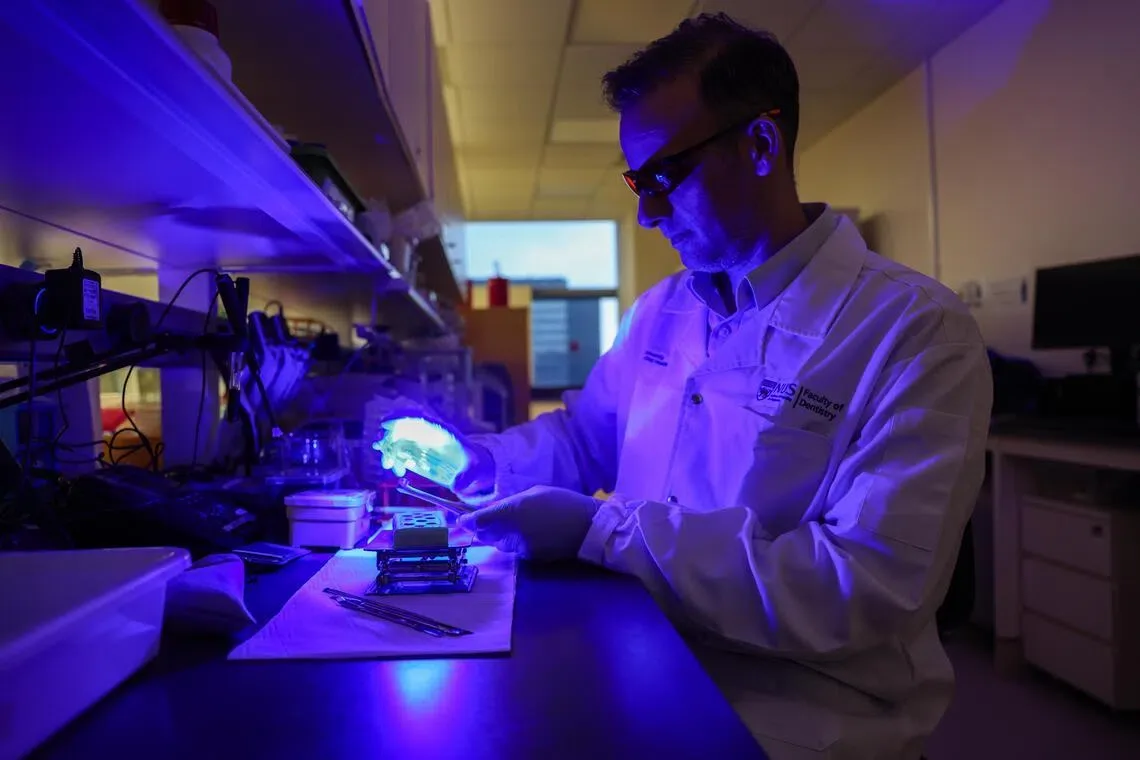
The National University of Singapore (NUS) Dentistry faculty developed innovative AI-designed 'living' hydrogel models that replicate human tissues and shift over time like real tissue, improving medical treatment testing [1, 2, 3]. These water-rich soft hydrogels mimic the body's tissues, which consist of more than 60% water, overcoming the rigidity and limitations of traditional lab equipment [1, 2, 3].
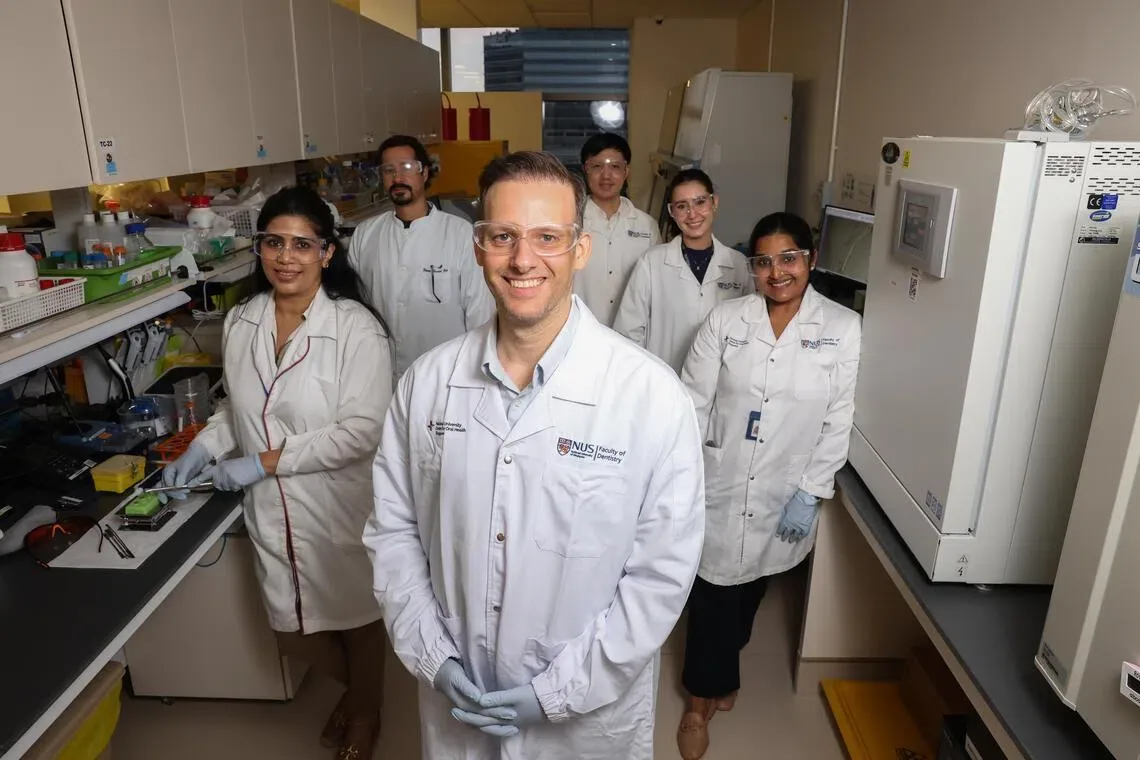
Artificial intelligence algorithms design the biomaterials based on anticipated cell behavior, enabling researchers to study treatments in dynamic environments closer to human physiology [1, 2, 3]. Associate Professor Vinicius Rosa leads the six-member team behind the technology. He said, "We are not petri dishes," highlighting the models’ ability to move beyond static test conditions [1]. The team received the International Association for Dental Research (IADR) Innovation Award for their work [1, 2, 3].
Previous lab models failed to accurately predict human tissue responses, which increased reliance on animal testing. The new hydrogels aim to reduce animal use by providing more reliable human-relevant results [1, 2, 3]. Their use also targets cheaper, safer, and faster treatment development, potentially accelerating patient access to new therapies [1, 2, 3].
Research on these hydrogels began in 2015 and has progressed through various stages since then at NUS Dentistry [1, 2, 3]. The project remains under the guidance of Rosa and his team as they continue refining these dynamic biomaterials.
Further development and testing of the hydrogel models are expected to continue as the researchers explore broader medical applications and collaborations.