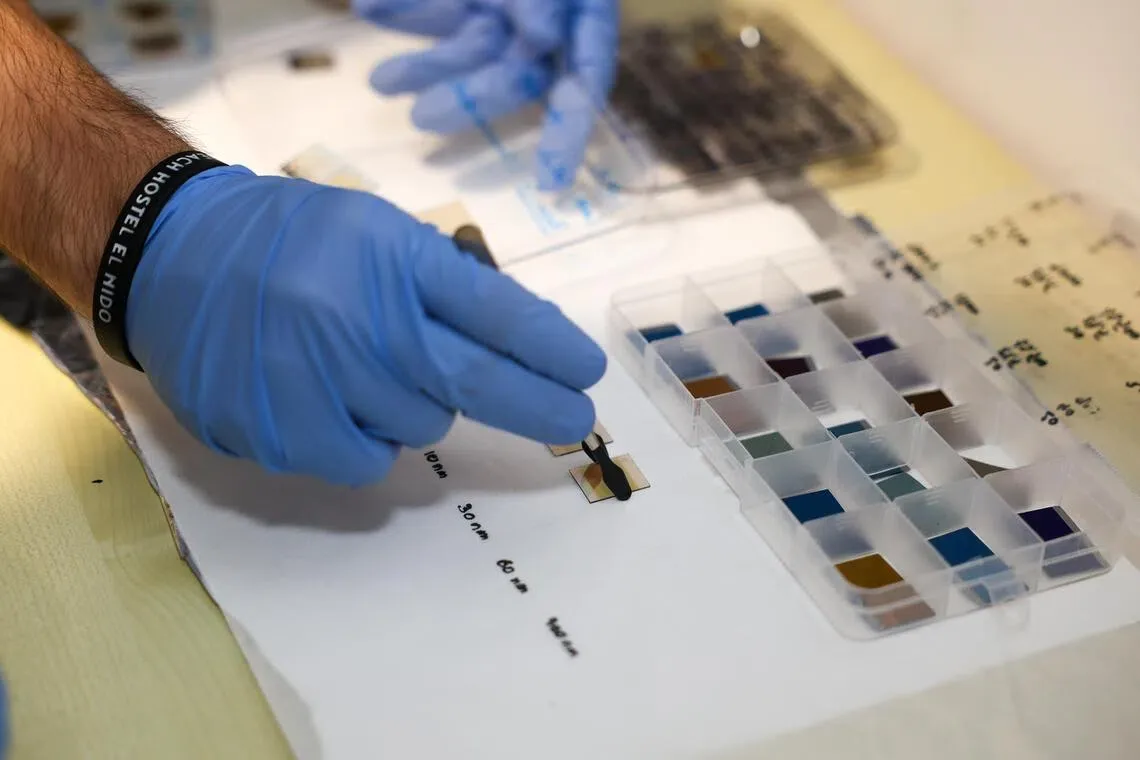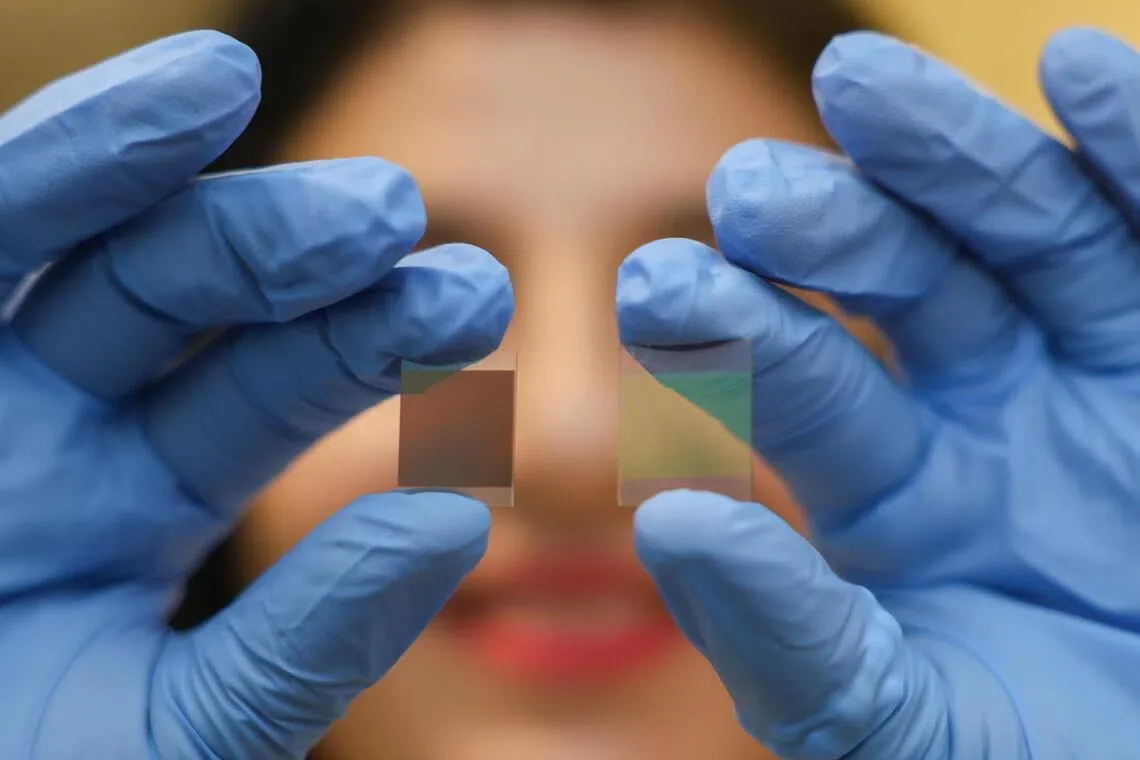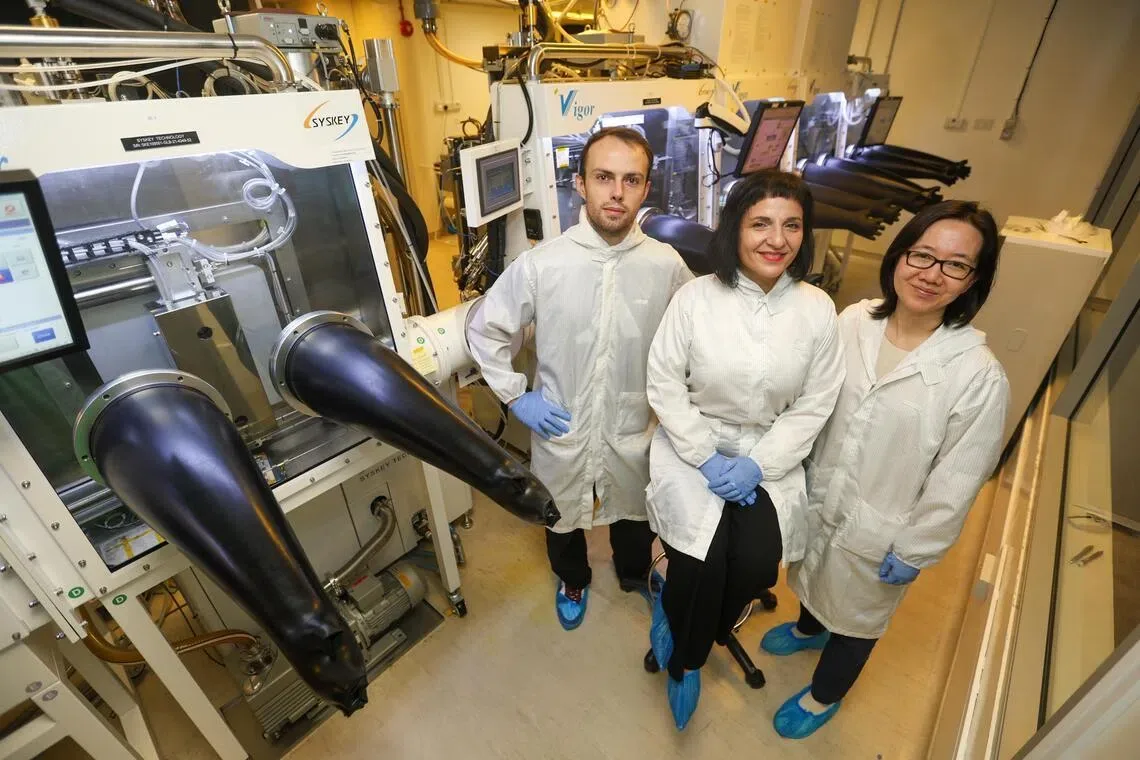
Scientists from Nanyang Technological University (NTU) have developed ultra-thin, semi-transparent solar cells made from perovskite material that may be used on glass windows in urban environments to generate electricity [1, 2, 3].
The NTU team used a vacuum-based thermal evaporation process to produce perovskite layers about 10 nanometres thick, a dramatic reduction from typical layers around 700 nanometres. A strand of human hair is roughly 100,000 nanometres thick, making these layers 10,000 times thinner, explained Associate Professor Annalisa Bruno: "A typical perovskite layer is around 700 nanometres (nm). Now, we have moved from 700nm down to 10" [1, 2, 3].
These ultra-thin layers allow the cells to be semi-transparent and enable control over their opacity and color, potentially making solar panels practically invisible when applied to window glass [1, 2, 3]. They can also generate power under indirect or diffused light conditions.
While opaque silicon solar panels typically reach energy conversion efficiencies between 25 and 27 percent, NTU’s perovskite cells with a 60-nanometre thick layer currently achieve an efficiency of 7.6 percent [1, 2, 3]. Perovskite is a newer material being researched as a cheaper alternative to silicon after initial production costs, holding promise for cost efficiency.
Applications for these semi-transparent solar cells could extend beyond buildings, including use in self-sufficient electric vehicles or wearable electronics [1, 2, 3].
The researchers’ next steps will focus on improving the energy conversion efficiency and durability of these thin perovskite solar cells to enable practical deployment on urban glass surfaces.